
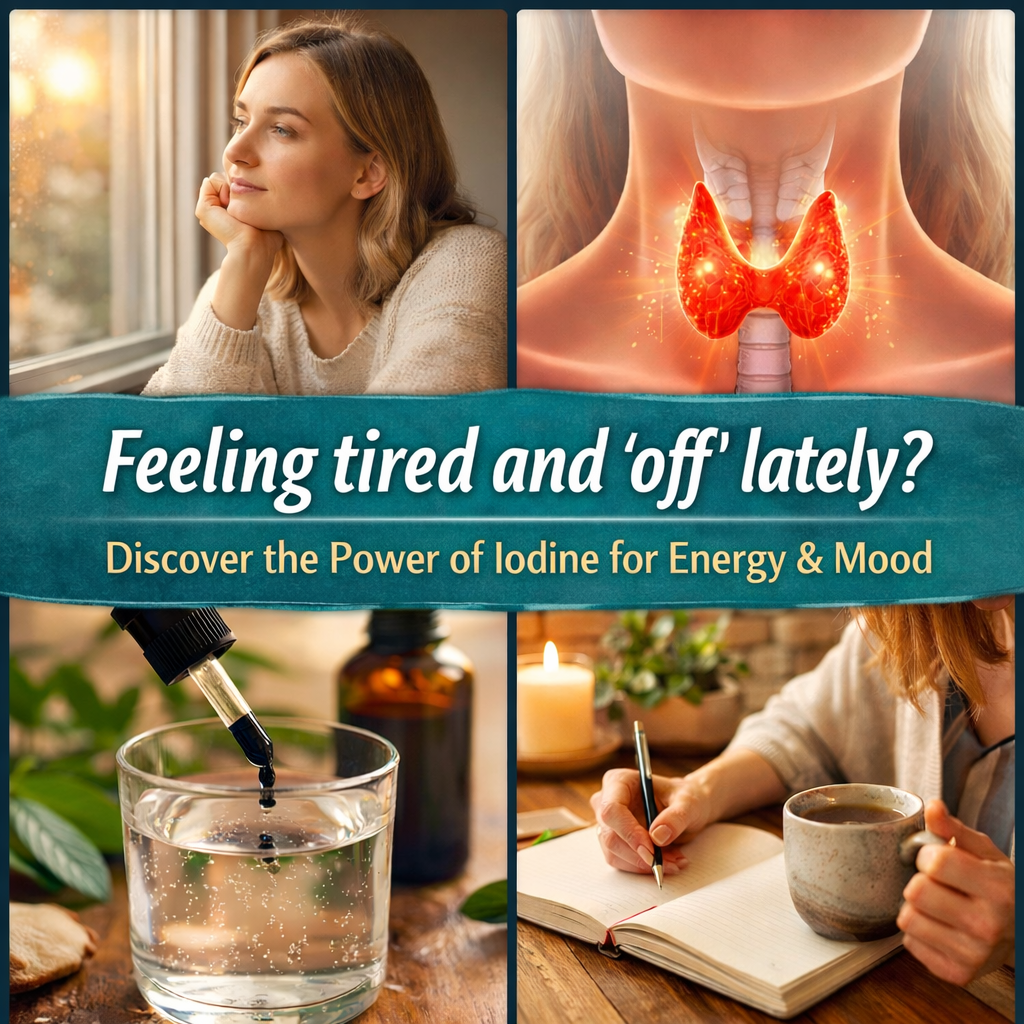
Why Hormone Balance Starts with Iodine, Not Willpower
This time of year is often associated with the heart—love, emotion, and meaningful connection.
But beneath mood, motivation, and mental clarity lies something far more fundamental: hormonal communication.
When hormones are balanced, people feel steady. Focused. Emotionally resilient.
When they are not, even small stressors feel overwhelming.
What many people don’t realize is that iodine plays a foundational role in hormonal balance, far beyond the thyroid alone.
Hormones Are Messengers, Not Switches
Hormones do not act randomly. They are chemical messengers that tell cells:
- How much energy to produce
- How to regulate mood
- How to respond to stress
- When to rest and when to engage
The efficiency of this messaging system depends on raw materials—and iodine is one of the most critical.
The thyroid produces hormones that influence nearly every other hormonal pathway in the body. When thyroid signaling is compromised, secondary hormone systems often feel the impact.
The Thyroid’s Role in Emotional Stability
Thyroid hormones influence:
- Neurotransmitter sensitivity
- Brain energy metabolism
- Stress tolerance
- Emotional regulation
When thyroid hormone production or conversion is suboptimal, people may experience:
- Mood swings
- Anxiety-like symptoms
- Irritability
- Low motivation
- Brain fog
These symptoms are often misattributed solely to stress or lifestyle, when in reality they may reflect mineral insufficiency.

Iodine’s Foundational Role in Hormone Production
Iodine is required to build thyroid hormones T3 and T4. Without sufficient iodine:
- Hormone production slows
- Cellular signaling becomes inefficient
- The brain receives weaker metabolic signals
This does not happen overnight. It develops gradually, making it easy to overlook until symptoms become persistent.
Why Modern Life Increases Iodine Demand
Today’s environment places greater demands on iodine than ever before:
- Chronic stress increases hormone turnover
- Environmental halides compete with iodine uptake
- Reduced iodized salt intake lowers dietary supply
- Highly processed foods lack mineral density
Even individuals eating “healthy” may not meet optimal iodine needs.
Mood, Motivation, and Cellular Energy
Mood is not just emotional—it is metabolic.
The brain consumes a disproportionate amount of energy. When thyroid signaling slows:
- Brain energy availability decreases
- Focus becomes harder
- Emotional resilience weakens
This is why people often describe thyroid-related imbalance as feeling “flat,” “foggy,” or “off.”
Why Stimulants Don’t Fix Hormonal Fatigue
Caffeine and sugar stimulate the nervous system, not hormone production. They may temporarily mask fatigue, but they do not address the underlying issue.
Supporting iodine intake helps the body restore its own signaling, rather than forcing energy externally.
Liquid Iodine and Daily Consistency
Liquid iodine offers:
- Efficient absorption
- Flexible dosing
- Gentle daily use
WellnessOne Iodine is designed to support daily hormonal communication without overstimulation, making it ideal for long-term use.
Supporting Hormone Balance Holistically
Iodine works best alongside complementary minerals:
- Zinc supports thyroid hormone conversion
- Selenium supports antioxidant protection
- Magnesium supports nervous system balance
Now is an ideal time to focus on steady, supportive routines, not extremes.
Emotional Wellness Starts at the Cellular Level
True balance isn’t about controlling emotions—it’s about supporting the systems that regulate them.
By supporting iodine intake, you help maintain the hormonal foundation that allows mood, focus, and motivation to stabilize naturally.
Hormone balance doesn’t begin with effort.
It begins with sufficiency.
And iodine is one of the most overlooked pieces of that foundation.
What Our Readers Are Saying
“The Great Wellness Reset has transformed my approach to health. The insights I’ve gained here have truly helped me reclaim my energy and restore my balance.”
“Thanks to the practical advice on this blog, I’ve been able to reset my life with simple, effective wellness tips. Highly recommend!”
“Every post is a treasure trove of wellness wisdom. I’ve learned so much about maintaining a healthy lifestyle.”
“The Great Wellness Reset is my go-to resource for staying informed about the latest in health and wellness. It’s a game-changer!”
“I love how this blog makes complex health topics easy to understand. It’s been a fantastic guide on my wellness journey.”
“Following the tips from this blog has significantly improved my overall well-being. I feel more balanced and energized than ever.”
Your Health and Wellness Questions Answered
How can I improve my energy levels naturally?
Improving your energy levels can be achieved through a balanced diet, regular exercise, and adequate sleep. Incorporating mindfulness practices like meditation can also help boost your energy naturally.
What are some effective stress management techniques?
Effective stress management techniques include deep breathing exercises, yoga, and maintaining a regular exercise routine. It’s also important to set aside time for hobbies and relaxation.
How often should I exercise to maintain good health?
For most adults, it’s recommended to engage in at least 150 minutes of moderate aerobic activity or 75 minutes of vigorous activity each week, along with muscle-strengthening exercises on two or more days a week.
What dietary changes can support a healthier lifestyle?
Incorporating more fruits, vegetables, whole grains, and lean proteins into your diet can support a healthier lifestyle. Reducing processed foods and sugars is also beneficial.
How can I incorporate mindfulness into my daily routine?
Start by dedicating a few minutes each day to mindfulness practices such as meditation or deep breathing. Gradually increase the time as you become more comfortable, and try to remain present in daily activities.