Metabolic Momentum: Supporting Circulation, Balance, and Sustainable Energy
If you’re feeling tired, sluggish, or dependent on caffeine just to feel functional, you’re not alone. For many people, low energy has become so common it feels normal. It gets blamed on stress, age, busy schedules, or just “life.” But real, lasting energy isn’t about pushing harder. It’s about how efficiently your body produces and manages energy at the cellular level.
Energy isn’t created by stimulants. It’s generated by metabolism — and metabolism is deeply dependent on enzyme activity.
When enzyme systems are supported, energy feels steady and natural. When they’re overwhelmed or underperforming, fatigue and brain fog often follow.
Let’s look at why.
What Metabolism Really Is (And Why It Matters More Than You Think)
Most people hear “metabolism” and immediately think about weight loss or calorie burning. But metabolism is far more complex — and far more important.
Metabolism refers to all the chemical processes that keep you alive and functioning. Every heartbeat, every thought, every step requires metabolic energy. It includes converting nutrients into usable fuel, building and repairing tissues, clearing metabolic waste, regulating hormones, and maintaining internal balance.
When metabolism runs efficiently, you feel clear, steady, and capable. When it slows or becomes inefficient, energy dips, focus fades, and you may find yourself reaching for caffeine or sugar just to compensate.
True vitality comes from metabolic efficiency — not stimulation.
Why Energy Drops Even When You’re “Doing Everything Right”
Many people eat reasonably well, exercise, and try to sleep enough — yet they still feel drained. That disconnect can be frustrating.
One overlooked reason is metabolic waste accumulation.
Every time your body produces energy, it also produces byproducts. Every time tissues repair, immune responses activate, or proteins break down, debris is created. Normally, enzymes help clear and recycle this material. But when enzyme activity declines — whether from stress, aging, poor sleep, or environmental burden — cleanup becomes less efficient.
When that happens, the body diverts energy toward managing internal buildup instead of producing vibrant energy for daily life.
It’s like driving with the parking brake slightly engaged. You can still move forward, but it requires more effort — and you’ll burn out faster.
The Role of Systemic Enzymes in Energy Production
Systemic enzymes don’t directly “give” you energy the way caffeine does. Instead, they support the systems that allow energy to flow efficiently.
Think of systemic enzymes as your body’s internal optimization crew. They help break down excess proteins and debris, support circulation, assist the natural inflammatory response, and reduce metabolic bottlenecks that quietly drain vitality.
When internal pathways are clearer, nutrient delivery improves. Oxygen reaches cells more effectively. Waste products are removed more efficiently. As a result, energy production becomes smoother and more sustainable.
The difference isn’t a jittery spike. It’s steadiness.
Nattokinase and Circulation: Fueling Cells Efficiently
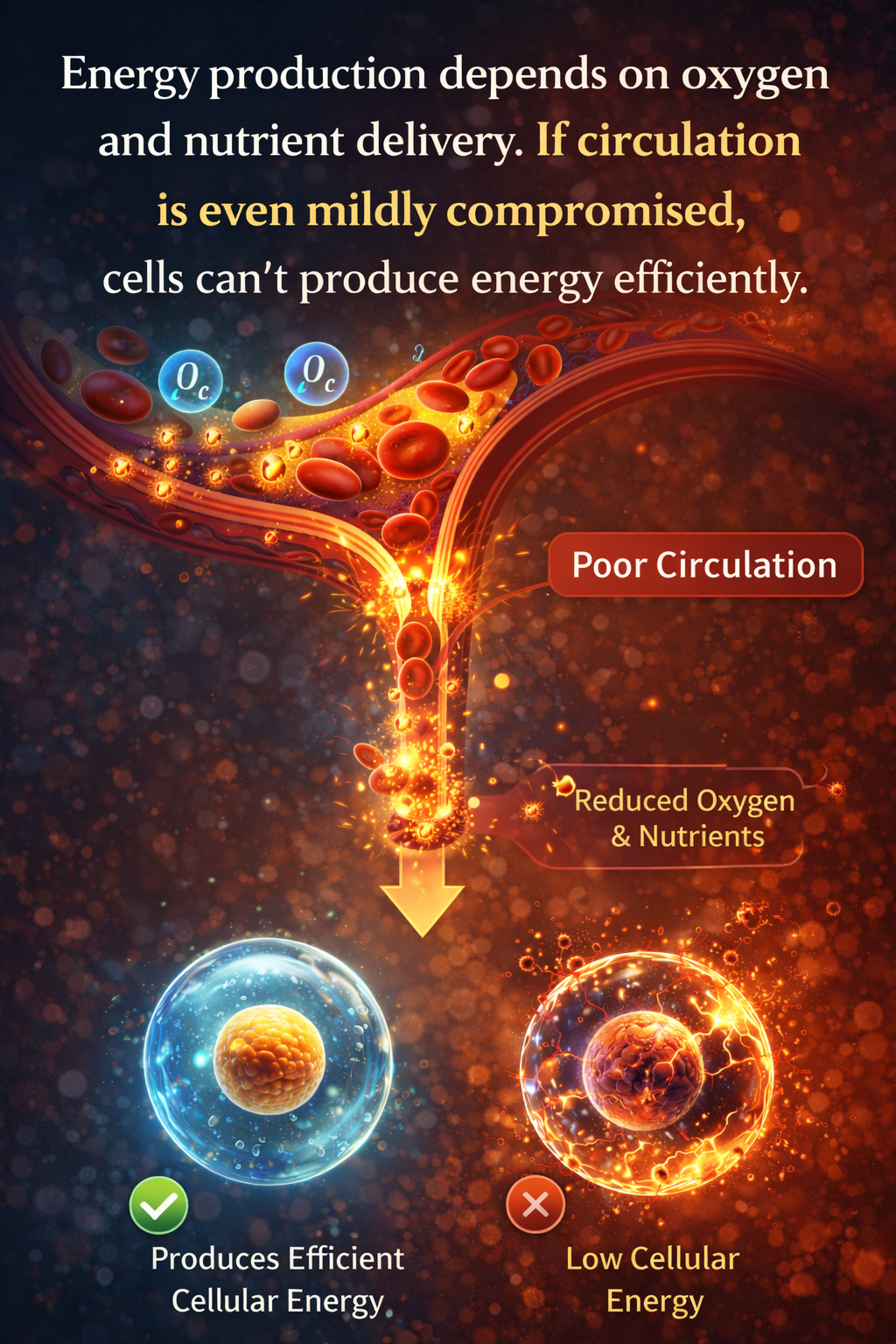
Energy production depends on oxygen and nutrient delivery. If circulation is even mildly compromised, cells can’t produce energy efficiently.
Nattokinase is a systemic enzyme known for supporting healthy circulation. It assists the body in managing fibrin, a protein involved in clotting and tissue repair. While fibrin is essential in the right context, excess accumulation may interfere with optimal blood flow.
By supporting the body’s natural balance of fibrin, nattokinase helps promote smoother circulation. When blood flows efficiently, oxygen and nutrients reach tissues more effectively — and metabolic waste is cleared more readily.
The result isn’t a stimulant-like surge. It’s a sense that your energy is flowing instead of forcing.
ProOneZyme includes nattokinase as part of its systemic enzyme blend, supporting circulation as a foundational aspect of metabolic health.
Catalase: Protecting Energy at the Cellular Level
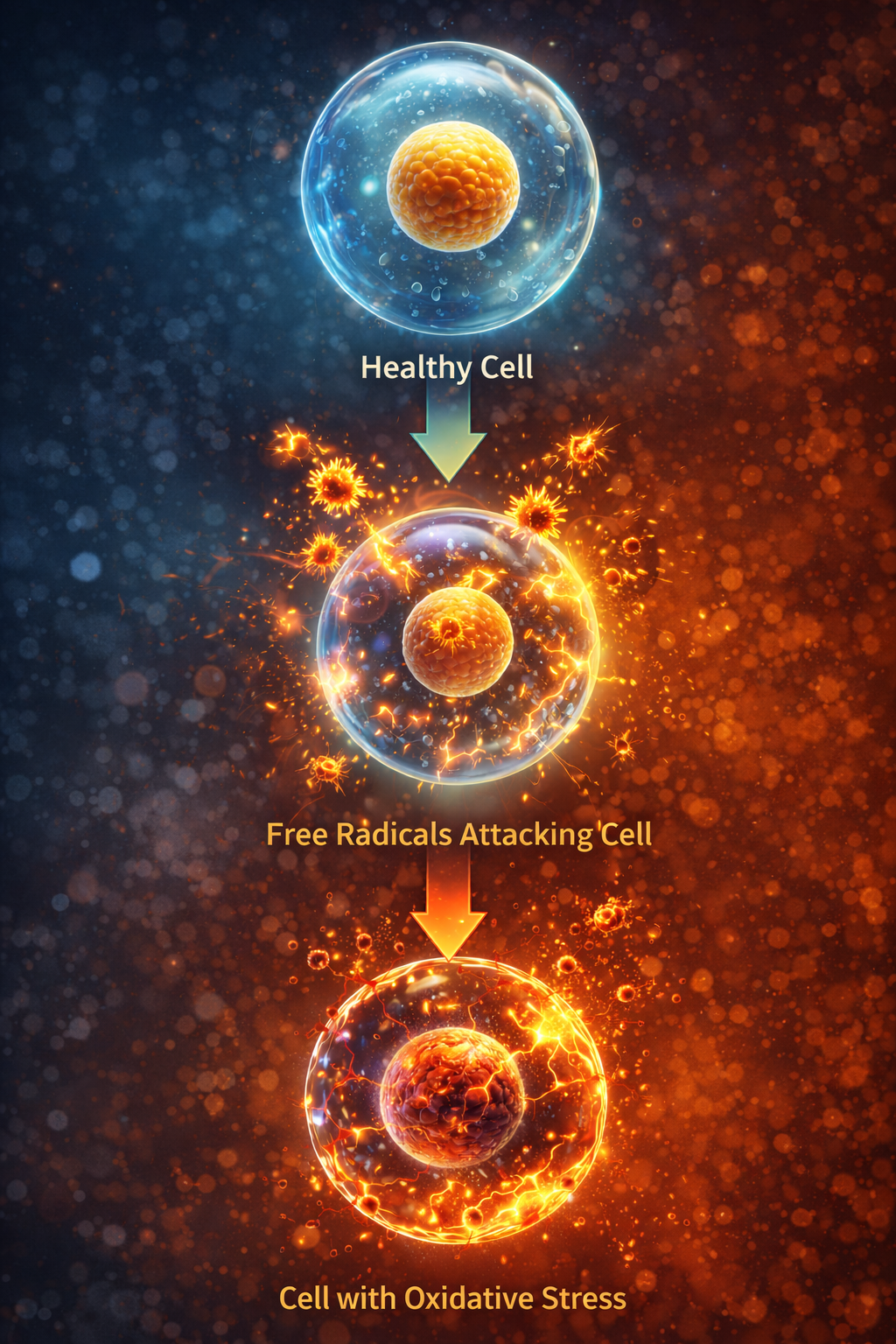
Every time your mitochondria produce energy, they generate oxidative byproducts. One of those byproducts is hydrogen peroxide. In small amounts, it’s manageable. In excess, it can contribute to oxidative stress, which interferes with cellular efficiency.
Catalase is an enzyme that breaks hydrogen peroxide down into water and oxygen. This protective action helps maintain oxidative balance inside cells.
When oxidative stress rises unchecked, cells shift resources toward protection rather than energy production. Supporting catalase activity helps preserve cellular efficiency — which is crucial for steady metabolic output.
Sustainable energy depends not just on producing fuel, but on protecting the machinery that produces it.
Protease, Bromelain, and Papain: Clearing Energy Drains
Protein metabolism is essential for tissue repair, immune signaling, and structural integrity. But leftover protein fragments can accumulate if they aren’t properly broken down and recycled.
Protease enzymes, along with plant-derived enzymes like bromelain (from pineapple) and papain (from papaya), assist in breaking down excess proteins and cellular debris.
When internal debris lingers, the immune system remains subtly activated. That ongoing activation increases metabolic demand and quietly drains energy reserves.
By supporting protein cleanup, these enzymes help reduce unnecessary metabolic strain and support balanced tissue function. When the body isn’t constantly managing internal clutter, more energy becomes available for movement, focus, and resilience.
ProOneZyme incorporates protease, bromelain, and papain as part of its systemic approach to metabolic support.
Inflammation and Energy: The Invisible Drain
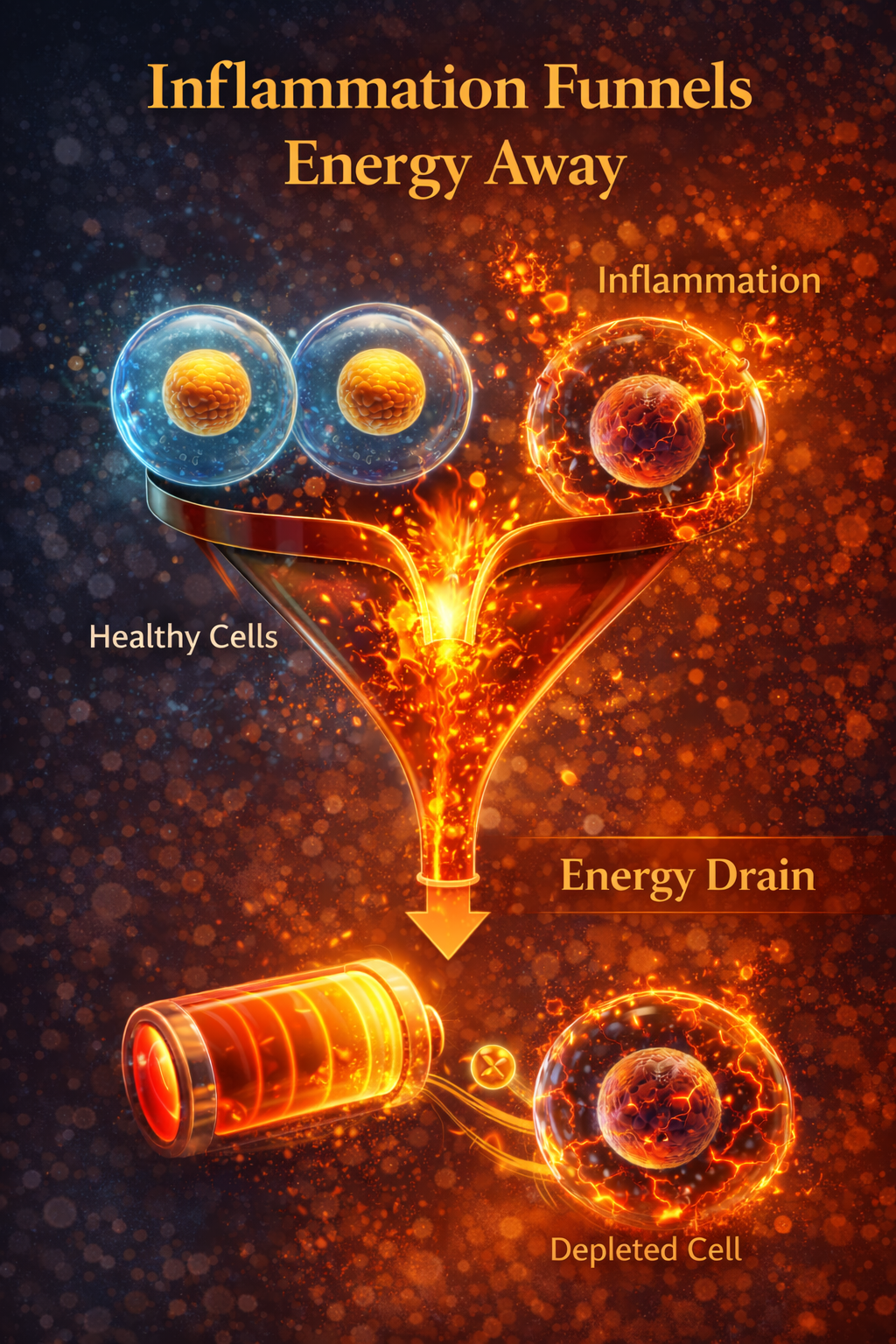
Inflammation is not the enemy. It’s a necessary and intelligent response to injury or infection. But when low-grade inflammation persists, it becomes an energy drain.
Chronic inflammatory signaling increases metabolic demand. Cells divert energy toward defense and repair rather than performance and clarity. Over time, this can feel like unexplained fatigue.
Systemic enzymes support the body’s natural inflammatory response by helping it resolve rather than linger. When resolution occurs efficiently, metabolic resources are freed.
Many people notice that when internal balance improves, stamina and mental clarity often follow.
How Systemic Enzymes Support Energy and Metabolic Wellness
Systemic enzyme formulas are designed to work throughout the body rather than targeting a single symptom. Their purpose is to support foundational processes that influence how efficiently energy is produced and maintained.
A comprehensive blend may include nattokinase for circulation support, catalase for oxidative balance, and protease along with bromelain and papain for protein metabolism and internal cleanup. Together, these enzymes help reduce metabolic bottlenecks and support the conditions that allow natural energy production to function optimally.
For those looking for a well-rounded systemic enzyme formula, ProOneZyme by WellnessOne is one example that combines these key enzymes in a thoughtfully balanced blend. Its inclusion of nattokinase, catalase, protease, bromelain, and papain makes it a practical option for individuals who want to support circulation, oxidative balance, and overall metabolic efficiency as part of a broader wellness routine.
Rather than masking fatigue, systemic enzymes — when used consistently and alongside supportive lifestyle habits — help address the underlying processes that influence steady, sustainable vitality.

Lifestyle Habits That Amplify Enzyme Support
Systemic enzymes are most effective when paired with supportive daily habits.
Eating whole, nutrient-dense foods reduces the burden of metabolic waste and lowers enzyme demand. Gentle daily movement encourages circulation and lymphatic flow. Quality sleep allows repair and metabolic recalibration to occur. Consistent hydration supports nutrient transport and waste removal. Reducing reliance on excessive caffeine helps the body regulate its own energy rhythms.
None of these habits are extreme. They’re foundational. And when layered together, they create an environment where enzyme systems can function efficiently.
Energy That Lasts
True vitality isn’t about pushing harder or overriding fatigue with stimulation. It’s about efficiency.
When circulation flows freely, oxidative stress is managed, protein debris is cleared, and inflammation resolves appropriately, energy becomes a natural byproduct of balance.
If you’re tired of chasing short-lived boosts, it may be time to shift the focus. Instead of asking how to force more energy, consider asking what might be in the way.
Supporting your body’s enzyme systems may be one of the most sustainable ways to restore steady, natural vitality — the kind that doesn’t spike and crash, but carries you smoothly through the day.