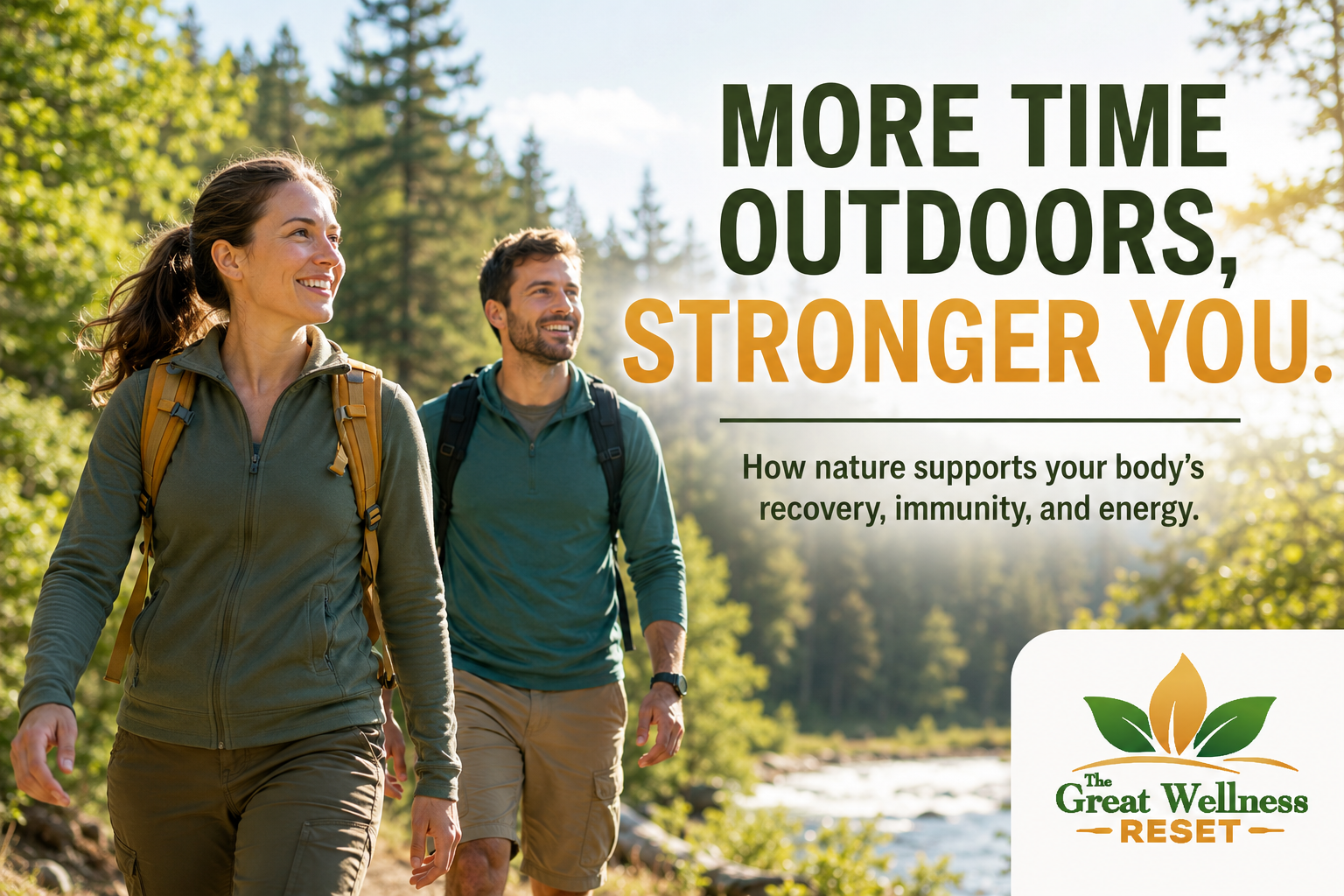
Your Body Was Designed for the Outdoors
Modern life has moved many of us indoors.
We work indoors, exercise indoors, shop indoors, and often spend our free time in front of screens. Yet despite all the conveniences of modern living, our bodies still function much like they did thousands of years ago. We were designed to move, explore, and spend time outside in natural environments.
That may explain why many people notice they simply feel better after spending more time outdoors. They sleep better, think more clearly, recover faster from physical activity, and often experience improvements in mood and overall wellness.
The benefits aren’t just psychological. Real physiological changes occur throughout your body when you spend more time outside. From your immune system to your muscles, your brain, and even your ability to recover from physical stress, outdoor activity can have a powerful impact on health.
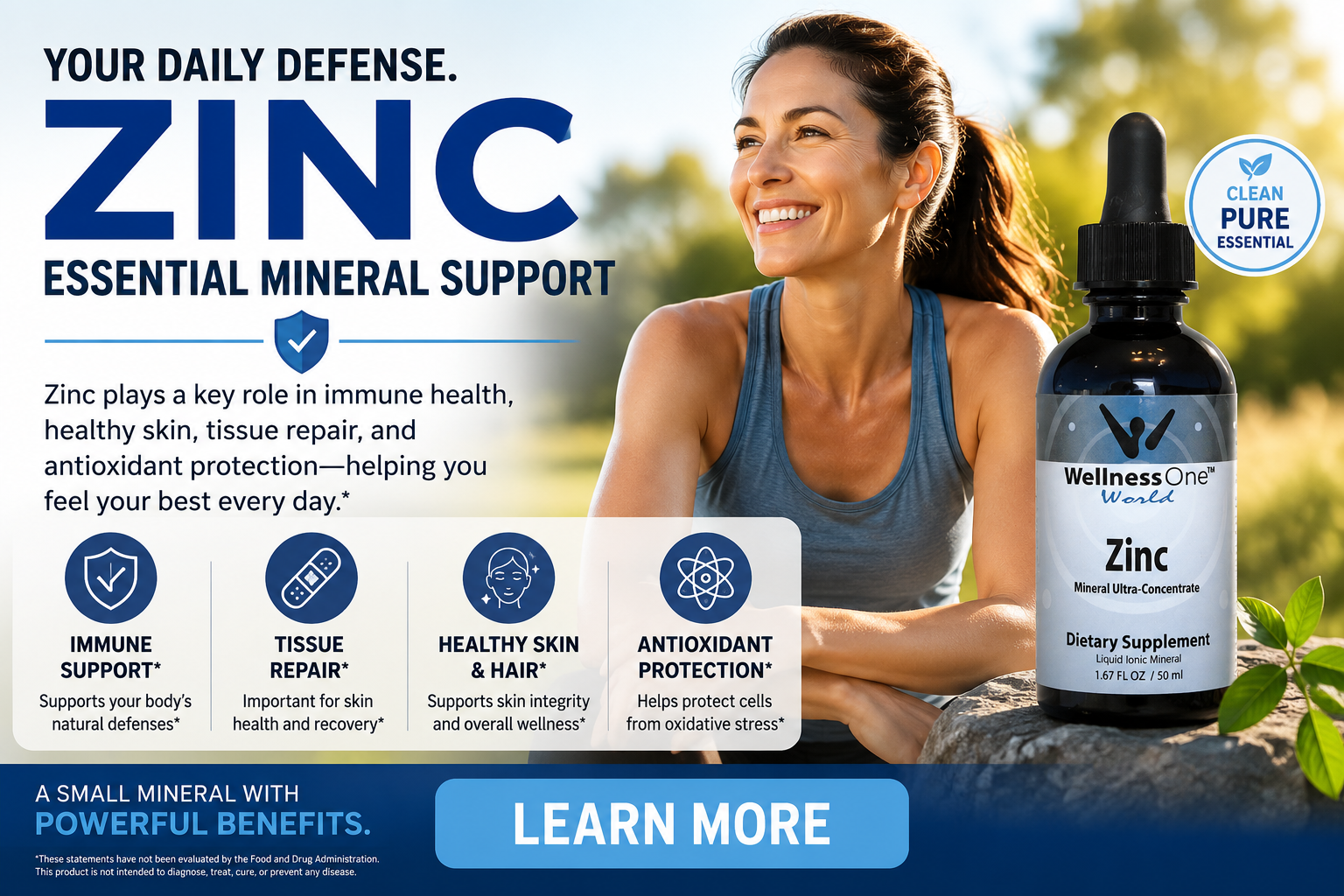
One important nutrient that plays a significant role in many of these processes is zinc, a trace mineral involved in immune function, tissue repair, recovery, and cellular health. As outdoor activity increases, your body’s need for proper nutritional support becomes even more important.
Let’s take a closer look at what actually happens inside your body when you spend more time outdoors.
Your Body Naturally Moves More
One of the most obvious changes that occurs outdoors is increased physical activity.
Even when you aren’t intentionally exercising, being outside often leads to more movement. Walking through a park, gardening, hiking, playing with children, working in the yard, or simply exploring a new area requires your body to move in ways that sitting indoors does not.
Researchers often refer to this as incidental movement—physical activity that happens naturally throughout the day rather than during a structured workout.
This additional movement improves circulation, helps regulate blood sugar, supports joint mobility, and encourages muscles to remain active. Increased movement also stimulates the cardiovascular system, helping oxygen and nutrients reach tissues throughout the body more efficiently.
Over time, these small increases in daily activity can significantly impact overall health and energy levels.
Your Muscles Begin Adapting and Recovering
Many outdoor activities challenge muscles differently than indoor routines.
Walking on uneven terrain, climbing hills, carrying gardening supplies, paddling a kayak, or playing recreational sports all recruit stabilizing muscles that may not be used as frequently indoors.
Whenever muscles are challenged, tiny microscopic stressors occur within muscle fibers. This is completely normal and is actually how muscles become stronger.
The recovery process begins almost immediately. Your body starts repairing these tiny tissue disruptions by producing new proteins and rebuilding damaged cells.
This repair process requires adequate nutrients, including amino acids, vitamins, and minerals. Zinc plays a particularly important role because it supports protein synthesis, cellular repair, and tissue regeneration.
Without sufficient zinc, recovery processes can become less efficient, potentially slowing the body’s ability to repair tissues after physical activity.
Fresh Air Can Support Better Sleep
Many people notice they sleep more deeply after spending a day outdoors.
Part of this benefit comes from increased physical activity, but another major factor involves your body’s circadian rhythm.
Your circadian rhythm is your internal biological clock that regulates sleep and wake cycles. Natural sunlight helps synchronize this clock by signaling when it’s time to be alert and when it’s time to prepare for sleep.
Unfortunately, many people spend most of their day under artificial lighting. This can confuse the body’s natural timing systems.
Outdoor sunlight exposure—especially during the morning hours—helps reinforce healthy circadian rhythms. As a result, many people fall asleep more easily and experience more restorative sleep.
Better sleep has a direct impact on recovery, immune function, hormone production, and overall health.
Your Immune System Gets Additional Support
The immune system is constantly working behind the scenes.
Every day, your body encounters bacteria, viruses, environmental pollutants, and other stressors. A properly functioning immune system helps identify and manage these challenges before they become larger problems.
Spending time outdoors may benefit immune health in several ways.
First, physical activity supports healthy circulation, allowing immune cells to travel more efficiently throughout the body.
Second, exposure to natural environments may help reduce chronic stress levels. Elevated stress hormones can suppress immune function when they remain high for extended periods.
Third, outdoor activity often improves sleep quality, which is one of the most important factors influencing immune health.
Nutritional status also matters significantly. Zinc is involved in hundreds of enzymatic reactions throughout the body and is especially important for normal immune cell development and communication. Research has consistently shown that adequate zinc intake supports healthy immune responses and overall immune resilience.
Natural Sunlight Helps Regulate Important Processes
Sunlight influences far more than just mood.
When sunlight reaches your eyes and skin, it triggers numerous biological processes that affect hormones, energy production, sleep quality, and overall health.
Exposure to natural daylight helps regulate cortisol, often called the body’s primary stress hormone. Healthy cortisol patterns support alertness during the day and relaxation at night.
Natural light exposure can also positively influence serotonin production, a neurotransmitter associated with mood, motivation, and emotional well-being.
This may help explain why many people feel mentally refreshed after spending time outside, even after relatively light activity.
Stress Levels Often Begin to Decrease
One of the most immediate effects of spending time outdoors is a reduction in perceived stress.
Studies have repeatedly shown that time spent in nature can lower stress markers and improve feelings of relaxation.
Natural environments appear to engage the nervous system differently than busy indoor settings filled with screens, notifications, and constant stimulation.
When stress levels decrease, the body can devote more energy toward maintenance and recovery processes.
This shift affects everything from digestion and sleep to immune function and tissue repair.
Lower stress levels may also help reduce inflammation, allowing the body to recover more effectively from everyday physical and mental demands.
Recovery Becomes More Efficient
Recovery is often associated with athletes, but everyone relies on recovery processes.
Whether you’re recovering from exercise, yard work, a long day on your feet, or simply the normal wear and tear of daily life, your body is constantly repairing itself.
Recovery involves rebuilding tissues, removing damaged cellular components, regulating inflammation, and restoring energy reserves.
Outdoor activity can enhance recovery indirectly by improving circulation, sleep quality, stress management, and overall physical conditioning.
At the same time, proper nutritional support remains essential.
Zinc contributes to wound healing, collagen formation, protein synthesis, and tissue regeneration. These processes become increasingly important as activity levels rise and the body requires additional repair.
Outdoor Time Can Improve Mental Clarity
Many people describe feeling mentally “stuck” after spending too much time indoors.
Outdoor environments provide a different type of sensory input that may help refresh cognitive function.
Researchers have found that exposure to natural settings can improve attention, concentration, and mental performance. Some studies suggest that spending time in green spaces may help reduce mental fatigue while enhancing focus.
Part of this benefit may come from decreased stress, while another portion may result from the brain’s response to natural environments.
Regardless of the exact mechanism, many people experience improved clarity, creativity, and productivity after spending time outdoors.
Your Body Learns to Become More Resilient
One of the most overlooked benefits of outdoor activity is resilience.
The human body adapts remarkably well when exposed to manageable challenges.
Walking farther distances, climbing hills, carrying equipment, navigating uneven terrain, and spending time in changing weather conditions all provide mild stressors that encourage adaptation.
Over time, these adaptations can improve strength, endurance, balance, cardiovascular health, and overall physical capability.
This concept is sometimes referred to as hormesis—the idea that small, manageable challenges can stimulate beneficial adaptations within the body.
When paired with adequate recovery and nutrition, these adaptations help build long-term resilience.
Why Zinc Becomes Especially Important During Active Seasons
As people spend more time outdoors during warmer months, physical demands often increase.
Whether you’re hiking, gardening, exercising, cycling, golfing, fishing, or simply being more active around the house, your body is constantly using nutrients to support energy production and recovery.
Zinc is particularly noteworthy because it participates in numerous biological functions related to active living.
It supports immune health, protein synthesis, cellular repair, DNA production, tissue regeneration, and antioxidant defenses. Zinc also contributes to normal wound healing and recovery after physical activity.
While zinc is found naturally in foods such as beef, poultry, seafood, pumpkin seeds, beans, and nuts, many individuals may not consistently consume optimal amounts.
Ensuring adequate zinc intake can help support the body’s ability to recover, adapt, and maintain overall wellness throughout more active seasons
Bringing More Outdoor Time Into Your Routine
The good news is that you don’t need to become an extreme outdoor enthusiast to experience meaningful benefits.
Small increases in outdoor time can make a difference.
Taking a morning walk, gardening after work, eating lunch outside, visiting local parks, riding a bicycle, or spending time with family outdoors can all contribute to improved health.
The key is consistency.
Regular exposure to sunlight, fresh air, natural movement, and outdoor environments provides ongoing opportunities for the body to move, recover, adapt, and thrive
Conclusion: The Outdoors May Be One of the Most Underused Health Tools Available
Spending more time outdoors does much more than simply provide a change of scenery.
It encourages movement, supports recovery, improves sleep quality, reduces stress, enhances mental clarity, and strengthens overall resilience. These benefits work together to support long-term health and wellness in ways that many people underestimate.
As activity levels increase, the body’s need for proper recovery and nutritional support also grows. Nutrients such as zinc play an essential role in tissue repair, immune function, and recovery processes that help keep the body functioning at its best.
The next time you have the opportunity to step outside, consider it more than recreation. It may be one of the simplest and most effective ways to support your health naturally.
References
- National Institutes of Health Office of Dietary Supplements. Zinc Fact Sheet for Health Professionals.
- World Health Organization. Physical Activity Guidelines and Health Benefits.
- Harvard Medical School. Benefits of Outdoor Exercise and Natural Light Exposure.
- National Sleep Foundation. Circadian Rhythms and Sleep Health.
- American Psychological Association. Nature and Stress Reduction Research.
- Journal of Environmental Psychology. Effects of Nature Exposure on Mental Health and Cognitive Function.
- Mayo Clinic. Exercise, Recovery, and Immune Function.
- Nutrients Journal. Zinc in Human Health: Effect of Zinc on Immune Cells.
- Seasonal energy, circadian rhythm, hydration, and mineral balance concepts adapted from prior wellness research and seasonal health analysis.