When most people decide it’s time to get healthier, they often believe they need to make dramatic changes overnight. They commit to strict diets, intense workout programs, eliminate entire food groups, or completely overhaul their daily routines. While that initial burst of motivation can be exciting, it rarely lasts. After a week or two, life gets busy, old habits return, and those ambitious plans often fade away.
The truth is that your body doesn’t need perfection—it needs consistency.
Small, intentional choices made day after day have a much greater impact on your long-term health than occasional bursts of extreme effort. Drinking a little more water, eating more nutrient-rich foods, taking a daily walk, getting enough quality sleep, and supporting your body with the nutrients it depends on may seem like simple habits, but together they create lasting change.
That’s why 30 days is such a meaningful milestone. It’s long enough to establish healthier routines, improve energy levels, support proper hydration, encourage healthy digestion, and help your body begin adapting to positive lifestyle changes. While you may not completely transform your health in just one month, you can absolutely begin feeling the difference. Many people notice improved focus, steadier energy throughout the day, better recovery after exercise, healthier digestion, and an overall greater sense of well-being simply by making small, sustainable improvements every day.
Summer is the perfect season for this kind of reset. Longer days provide more opportunities to get outside and move your body, fresh fruits and vegetables are in abundance, and warmer temperatures remind us just how important proper hydration and nutrition really are. Instead of viewing summer as a season to simply “get through,” it can become the perfect opportunity to build habits that carry into the rest of the year.
But this raises an important question:
If someone committed to improving their health over the next 30 days, what changes would make the biggest difference?
The answer isn’t found in one miracle food, one workout routine, or one supplement. True wellness is built by supporting the body as a whole. That means staying properly hydrated, eating nourishing foods, moving consistently, prioritizing recovery, supporting healthy digestion, and making sure your body has the essential minerals it relies on every single day. Nutrients like potassium, zinc, copper, phosphorus, iodine, and selenium each play unique roles in helping your body produce energy, maintain healthy cells, support normal metabolism, aid recovery, and perform thousands of chemical reactions that keep you feeling your best.
Over the next few sections, we’ll explore the simple habits that can have the greatest impact on your health in just 30 days. None of them require perfection, and none of them involve extreme lifestyle changes. Instead, they’re practical, sustainable steps that work together to help you feel healthier, more energized, and ready to enjoy everything summer has to offer.
So what should you focus on over the next 30 days?
Start By Hydrating Your Body the Right Way
Most people know they should drink more water, especially during the summer. But hydration is about much more than simply increasing the number of glasses you drink each day.
True hydration happens inside your cells.
Your body is made up of trillions of cells, and every one of them depends on water to transport nutrients, remove waste, regulate temperature, produce energy, and keep tissues functioning properly. Simply drinking water isn’t always enough if your body doesn’t have the minerals needed to move that water where it belongs.
Potassium: The Electrolyte Your Cells Depend On
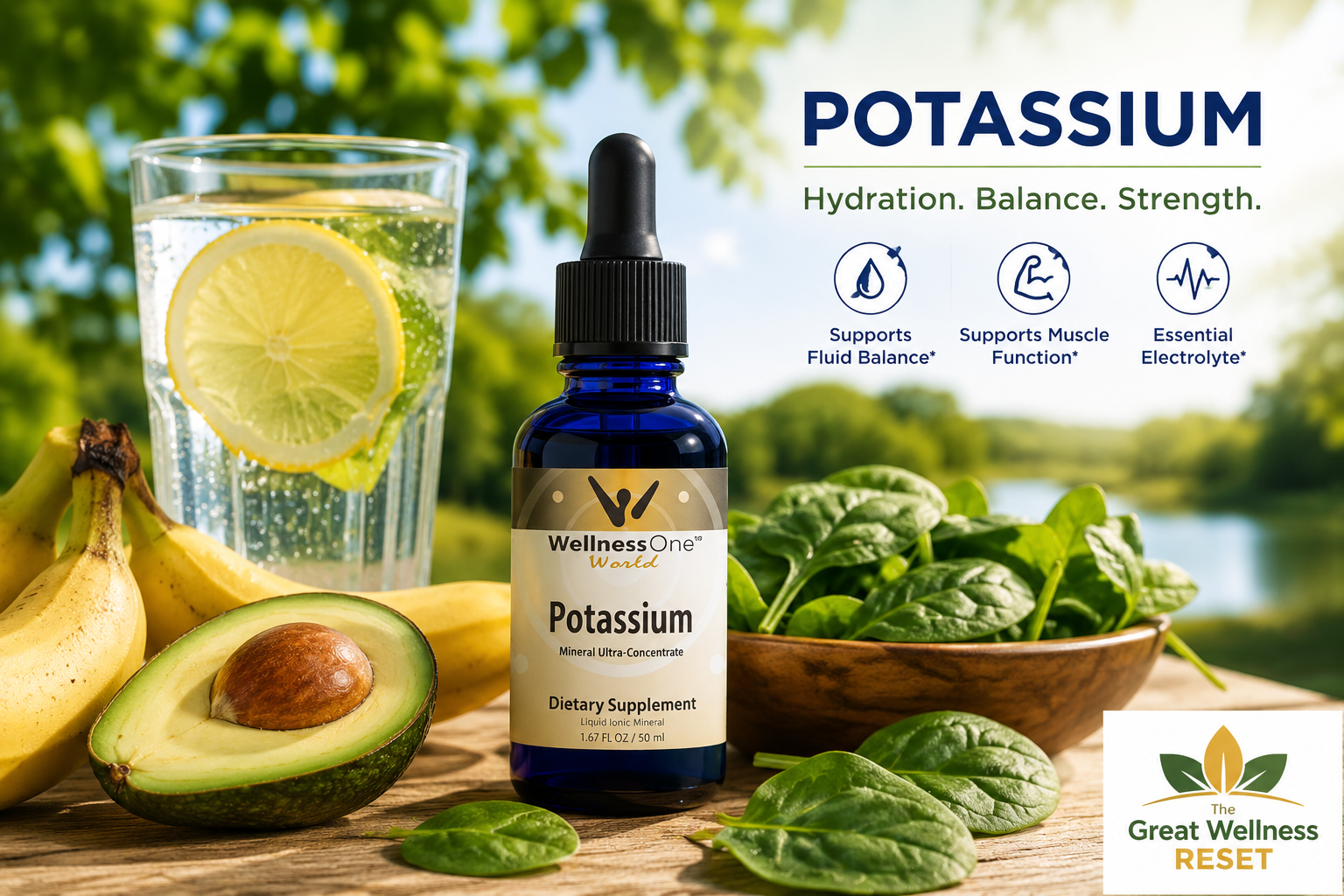
When people think about staying hydrated, they usually think about drinking more water. While that’s important, true hydration depends on more than water alone. Your body also needs electrolytes—minerals that help move water into your cells and keep it there. One of the most important of these electrolytes is potassium.
Potassium works alongside sodium to maintain the proper balance of fluids inside and outside your cells. While sodium primarily helps regulate fluid outside the cells, potassium helps keep fluid where it’s needed most—inside the cells. This balance supports hydration, nutrient transport, and normal cellular function.
During the summer, your body naturally loses water and electrolytes through sweat. If those minerals aren’t replaced, you may begin to feel tired, experience muscle weakness or cramps, or find it harder to recover after physical activity. Potassium helps your muscles contract properly, supports healthy nerve signaling, and plays an important role in maintaining a normal heartbeat.
Potassium also contributes to healthy blood pressure by helping balance the effects of sodium. Together, these two minerals work to regulate fluid balance throughout the body, supporting cardiovascular health and overall wellness.
Fortunately, potassium is found in many nutritious foods. Bananas are well known, but other excellent sources include avocados, spinach, sweet potatoes, tomatoes, beans, yogurt, oranges, and cantaloupe. Including a variety of these foods in your meals can help replenish potassium lost through daily activity and sweating.
As you begin your 30-day wellness challenge, make hydration one of your top priorities. Drink water consistently throughout the day, especially when spending time outdoors, and pair it with potassium-rich foods to help your body stay properly hydrated at the cellular level. It’s a simple habit that can support steady energy, healthy muscle function, and overall well-being throughout the summer.
Fuel Your Body With Foods That Actually Nourish You
Healthy eating isn’t about chasing the latest diet trend or counting every calorie. It’s about giving your body the raw materials it needs to perform thousands of chemical reactions every single second.
Every heartbeat, every breath, every muscle contraction, and every thought depends on nutrients working together behind the scenes.
Two of those nutrients often don’t receive the attention they deserve: zinc and copper.
Zinc: A Small Mineral With a Big Impact
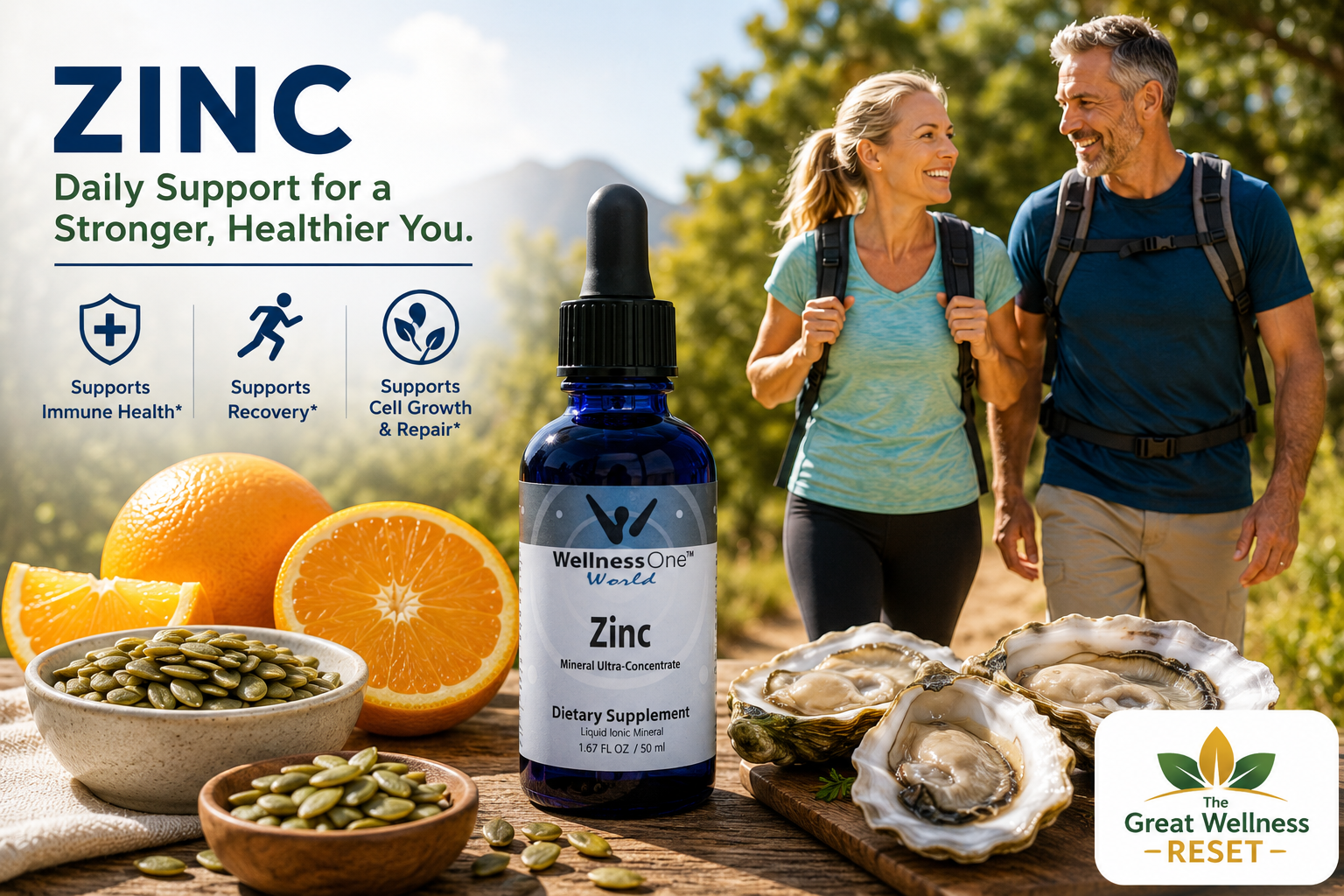
Although your body only needs zinc in small amounts, it plays a vital role in keeping you healthy. Zinc is involved in hundreds of enzyme reactions that support cell growth, protein production, DNA synthesis, and tissue repair. Without enough zinc, many of your body’s normal functions become less efficient.
One of zinc’s most important jobs is supporting a healthy immune system. Immune cells rely on zinc to grow, communicate, and respond to everyday challenges. During the summer, when travel, family gatherings, and outdoor activities increase exposure to germs, getting enough zinc helps support your body’s natural defenses.
Zinc also plays a key role in recovery. Whether you’re walking, hiking, gardening, or exercising, your muscles and tissues experience normal wear and tear. Zinc helps your body produce new proteins and repair healthy tissue, making it an important nutrient for exercise recovery, wound healing, and maintaining healthy skin.
Fortunately, zinc is found in a variety of nutritious foods, including oysters, beef, poultry, seafood, pumpkin seeds, beans, lentils, dairy products, nuts, and whole grains. Eating a balanced diet that includes these foods can help provide the zinc your body needs to function at its best.
As you continue your 30-day wellness challenge, remember that lasting health is built one small habit at a time. Providing your body with essential nutrients like zinc helps support immunity, recovery, and overall wellness so you can stay active and enjoy everything summer has to offer.
Copper: The Mineral That Helps Everything Work Together
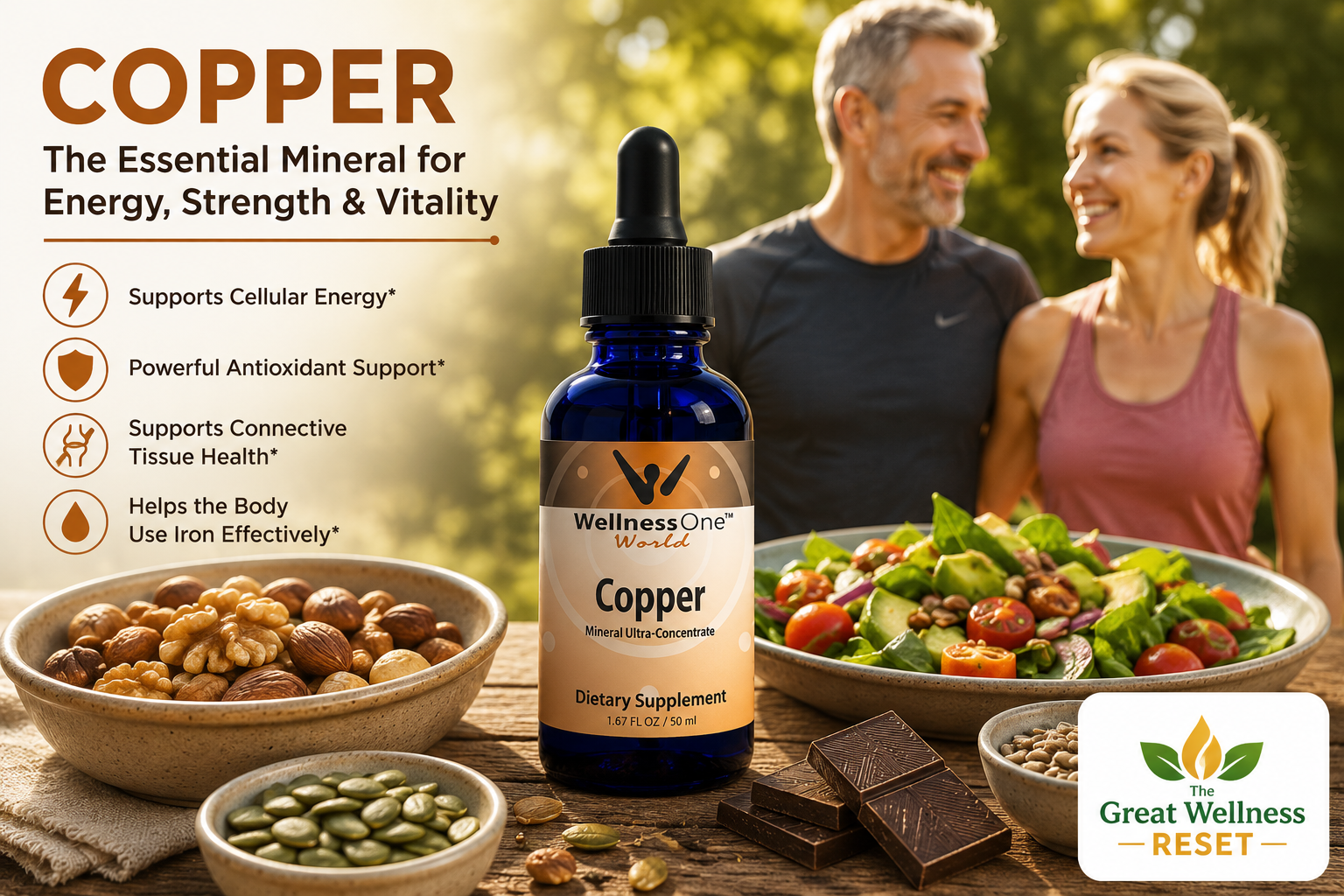
Copper may not receive as much attention as other minerals, but it plays an essential role in keeping your body functioning properly. Although it’s needed only in small amounts, copper supports several important processes that contribute to your overall health and energy.
One of copper’s primary jobs is helping your body use iron effectively. Even if you’re getting enough iron in your diet, your body relies on copper to transport and incorporate that iron into healthy red blood cells. These cells carry oxygen throughout your body, helping supply your muscles, brain, and organs with the oxygen they need to produce energy.
Copper is also important for maintaining strong connective tissues. It helps your body produce collagen and elastin, two proteins that support healthy skin, blood vessels, bones, joints, and other connective tissues. In addition, copper is a component of several antioxidant enzymes that help protect cells from damage caused by everyday metabolic processes and environmental stress.
Another reason copper is so important is its role in cellular energy production. Many enzymes that help convert the food you eat into usable energy require copper to function properly, making it an important part of keeping your body’s systems running efficiently.
Copper and zinc are often mentioned together because they work as partners, not competitors. Both minerals are essential for immune function, growth, tissue repair, and hundreds of enzyme reactions throughout the body. Maintaining a healthy balance of both nutrients helps support these processes and contributes to overall wellness.
Good food sources of copper include liver, shellfish, nuts, seeds, whole grains, mushrooms, and dark chocolate. Eating a varied diet that includes these foods can help provide the copper your body needs to support healthy blood cells, connective tissues, and energy production.
As you continue your 30-day wellness challenge, remember that even trace minerals can have a significant impact on your health. Copper may be needed in only tiny amounts, but its contribution to energy production, healthy circulation, and tissue repair makes it an important piece of your overall wellness journey.
Make Digestion a Priority
Eating healthy foods is only half of the equation.
Your digestive system must first break those foods down into nutrients small enough to be absorbed into your bloodstream. If digestion isn’t working efficiently, your body may not fully benefit from even the healthiest meals.
Stress, aging, travel, overeating, cookouts, and heavy summer meals can all place additional demands on digestion.
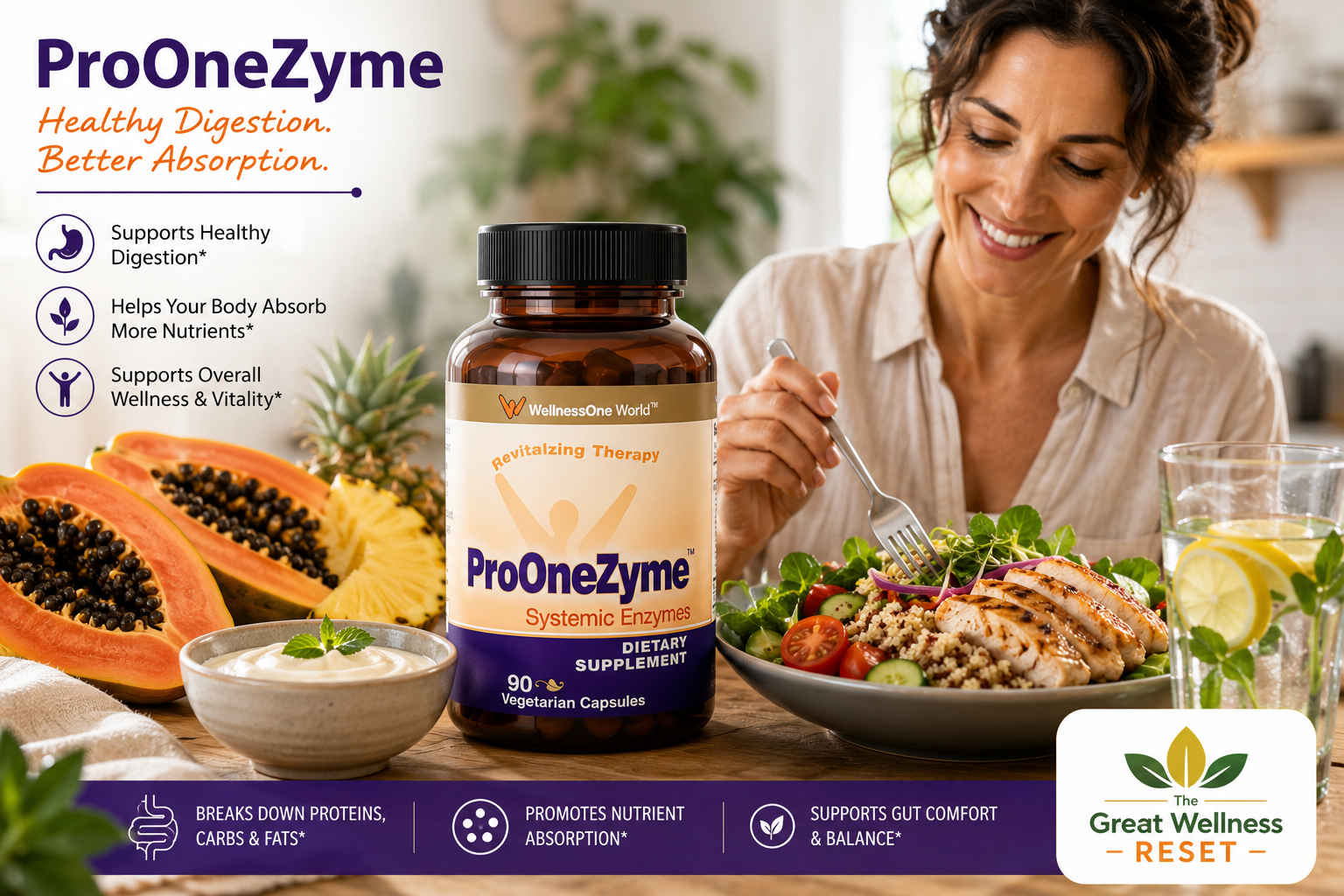
ProOneZyme: Why Digestive Enzymes Matter More Than You Think
Eating healthy foods is only part of the equation. Your body must also be able to properly digest and absorb the nutrients those foods provide. Digestive enzymes are specialized proteins that break food into smaller molecules your body can use. Proteases digest proteins, amylases break down carbohydrates, and lipases help digest fats. Without these enzymes, nutrient absorption becomes less efficient.
As we age, natural enzyme production may gradually decline, and everyday stress can also affect digestion. Summer travel, cookouts, vacations, and heavier meals can place additional demands on the digestive system, sometimes leading to occasional bloating, fullness, or discomfort after eating.
Healthy digestion is about more than avoiding an upset stomach. Efficient digestion allows your body to absorb the vitamins, minerals, amino acids, and healthy fats needed to support energy production, immune function, muscle recovery, and overall wellness. Simply put, your body can only benefit from the nutrients it is able to absorb.
Some enzyme supplements also include proteolytic enzymes, a group of enzymes that specialize in breaking down proteins. When taken with meals, they support protein digestion. When taken away from meals, researchers continue to study certain proteolytic enzymes for their potential to support healthy recovery and normal inflammatory processes. Although research is ongoing, these enzymes have attracted growing interest for their ability to support the body’s natural repair mechanisms.
As you continue your 30-day wellness challenge, don’t overlook the importance of digestion. Supporting your digestive system helps ensure your body gets the greatest benefit from every healthy meal, allowing the nutrients you consume to better support your overall health and vitality.
Move Every Day—Even If It’s Only 20 Minutes
You don’t have to train for a marathon to improve your health.
Walking, hiking, swimming, cycling, gardening, or simply taking a brisk evening walk all help improve circulation, heart health, insulin sensitivity, mood, muscle strength, and sleep quality.
Movement also increases your body’s demand for energy.
That brings us to one of the most overlooked minerals in nutrition.
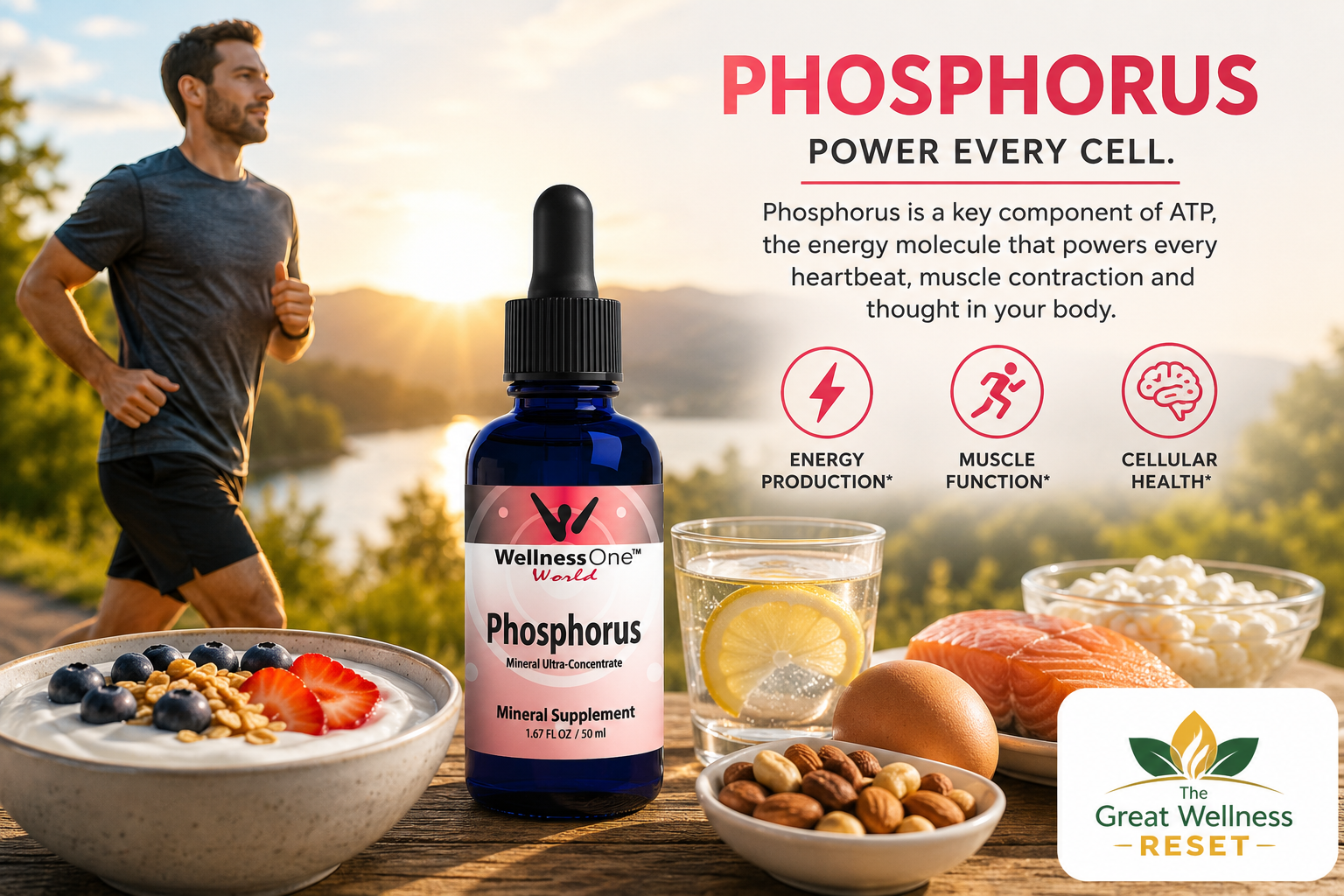
Phosphorus: The Mineral That Powers Every Cell
Imagine every cell in your body carrying around a rechargeable battery. That battery is ATP (adenosine triphosphate)—the molecule that stores and delivers energy for nearly every process in your body. One of ATP’s essential building blocks is phosphorus, making this mineral critical for producing the energy your cells need to function.
Every heartbeat, every breath, every muscle contraction, and every thought depends on ATP. Whether you’re walking, exercising, concentrating at work, or simply repairing tissues while you sleep, your body is constantly producing and using ATP. Without adequate phosphorus, this process couldn’t happen efficiently.
Phosphorus also plays an important role in maintaining healthy bones and teeth, supporting normal cell growth, and helping repair tissues throughout the body. It works alongside calcium and other minerals to keep your skeletal system strong while also contributing to the formation of cell membranes and genetic material. Because every cell requires energy to grow and repair itself, phosphorus is especially important during periods of physical activity, recovery, and healing.
Fortunately, phosphorus is naturally found in many healthy foods. Excellent sources include dairy products, poultry, fish, lean meats, eggs, beans, lentils, nuts, seeds, and whole grains. Most people who eat a balanced diet consume adequate phosphorus, but maintaining a nutrient-rich eating pattern helps ensure your body has the building blocks it needs for optimal cellular function.
As you continue your 30-day wellness challenge, remember that energy starts deep inside your cells. Supporting your body’s natural ability to produce ATP helps power your muscles, brain, heart, and every other organ that keeps you healthy. Phosphorus may not receive as much attention as other nutrients, but without it, the energy that fuels every moment of your day simply wouldn’t be possible.
Don’t Ignore Your Thyroid
When people think about metabolism, they often think about burning calories.
Your metabolism is much bigger than that. It’s the collection of chemical reactions that keep every cell in your body alive and functioning.
One mineral is absolutely essential for making that happen.
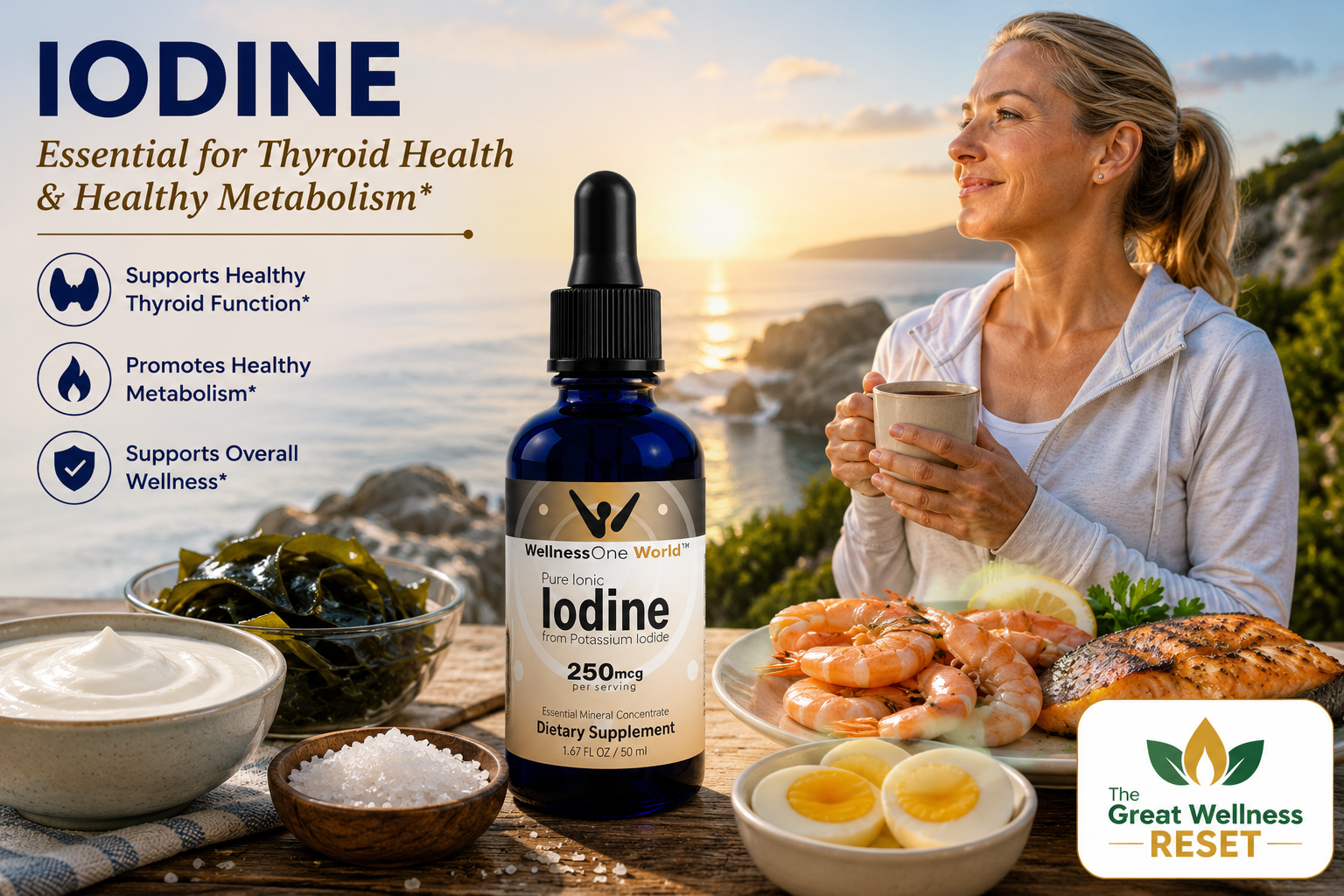
Iodine: The Mineral That Keeps Your Metabolism Running
Your thyroid may be a small gland located in your neck, but it has a powerful influence on nearly every system in your body. To produce the hormones that regulate metabolism, the thyroid depends on one essential mineral: iodine.
Thyroid hormones help control how your body converts food into energy. They influence your metabolic rate, support healthy body temperature, and play an important role in normal growth, brain development, and tissue maintenance. Every cell in your body responds to these hormones, making iodine an important nutrient for overall health.
When iodine intake is too low, the thyroid may not produce enough hormones to meet the body’s needs. Iodine deficiency can contribute to symptoms such as fatigue, feeling cold more often, dry skin, difficulty concentrating, and slowed metabolism. While iodine deficiency is less common in many developed countries because of iodized salt, some people may still consume less than recommended, particularly if they avoid dairy products, seafood, or iodized salt.
Fortunately, iodine is found in several nutritious foods, including seafood, seaweed, dairy products, eggs, and iodized salt. Eating a balanced diet that includes these foods can help support healthy thyroid function and normal hormone production.
As you continue your 30-day wellness challenge, remember that lasting energy begins with healthy cellular function. By providing your body with enough iodine, you’re helping your thyroid produce the hormones that regulate metabolism, support healthy body temperature, and keep your body’s energy systems running efficiently every day.
Your Cells’ Built-In Protection System
Every single day your body experiences a little bit of wear and tear.
Simply breathing, digesting food, exercising, and producing energy creates unstable molecules called free radicals. Left unchecked, they can contribute to oxidative stress.
Fortunately, your body has its own built-in defense system.
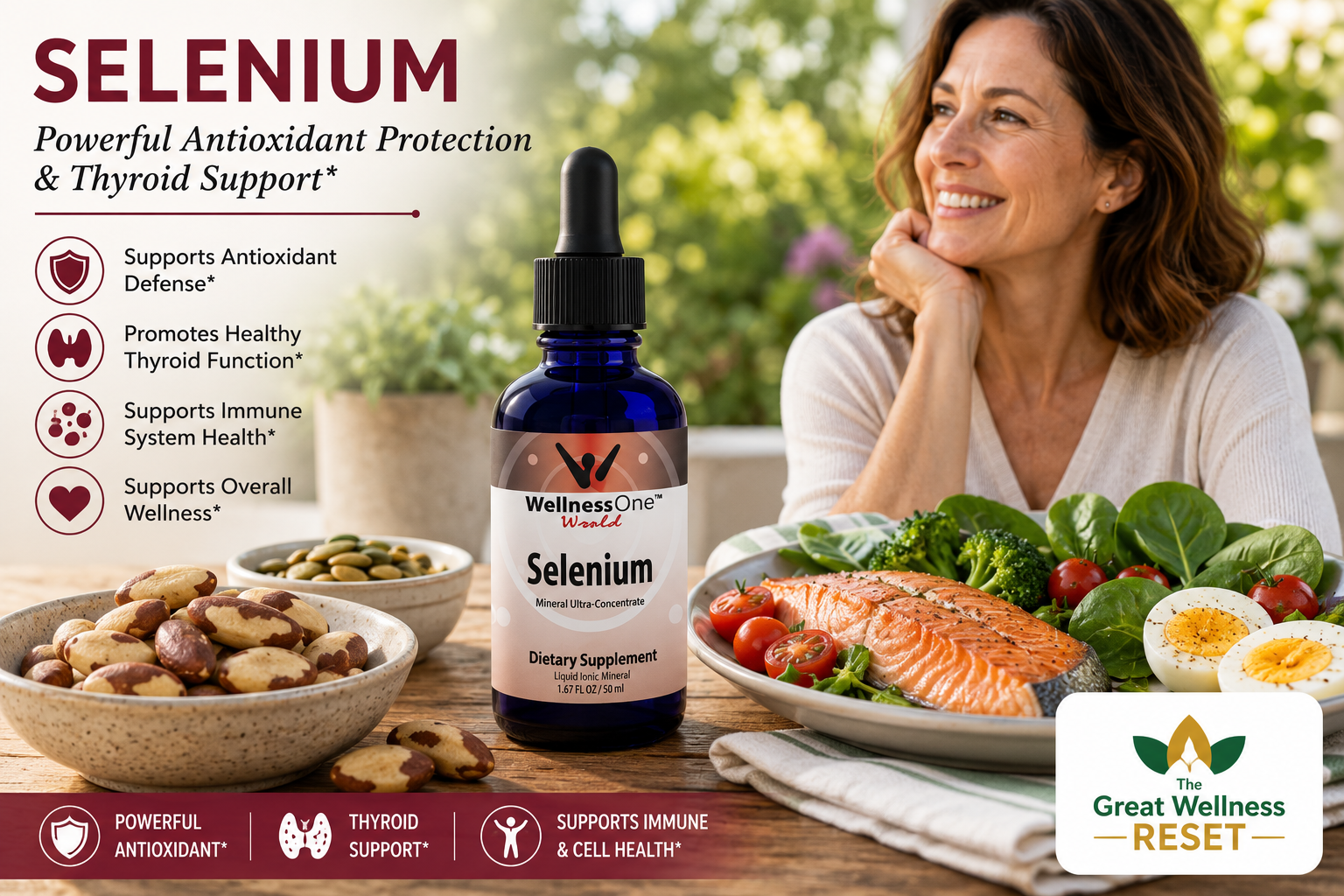
Selenium: Your Body’s Built-In Defense Against Oxidative Stress
Every day, your body is exposed to a small amount of wear and tear. Simply breathing, digesting food, exercising, and producing energy creates unstable molecules known as free radicals. While this is a normal part of life, excessive free radicals can contribute to oxidative stress, making your body’s natural antioxidant defenses essential for long-term health.
One of the most important nutrients supporting this defense system is selenium. Although it’s only needed in small amounts, selenium is a key component of glutathione peroxidase, one of the body’s most powerful antioxidant enzymes. This enzyme helps neutralize free radicals before they can damage healthy cells, supporting cellular health and the body’s natural recovery processes.
Selenium also plays an important role in immune health, helping immune cells function normally as they protect the body from everyday challenges. In addition, selenium works closely with iodine to support the thyroid gland. The thyroid contains a high concentration of selenium because it helps protect the gland from oxidative stress during hormone production and supports the conversion of thyroid hormones into their active form. Since thyroid hormones regulate metabolism and energy production, adequate selenium contributes to healthy energy levels and overall wellness.
Whether you’re recovering from exercise, managing a busy schedule, or simply supporting healthy aging, your body depends on nutrients like selenium to maintain its natural defense and repair systems.
Fortunately, selenium is found in a variety of healthy foods. Brazil nuts are one of the richest sources, while seafood, tuna, salmon, eggs, poultry, lean meats, whole grains, and sunflower seeds also provide meaningful amounts.
As you build healthier habits over the next 30 days, remember that good health isn’t just about fueling your body—it’s also about protecting it. Selenium helps support your body’s antioxidant defenses, healthy immune function, thyroid health, and the everyday cellular processes that keep you feeling your best.
Recovery Is Just as Important as Exercise
Many people believe progress happens while they’re exercising.
In reality, your body grows stronger during recovery.
Sleep, hydration, protein, stretching, stress management, and proper nutrition are when muscles repair, hormones rebalance, and tissues rebuild.
Recovery depends on having the nutrients your body needs—including potassium, zinc, copper, phosphorus, selenium—and a digestive system capable of absorbing them.
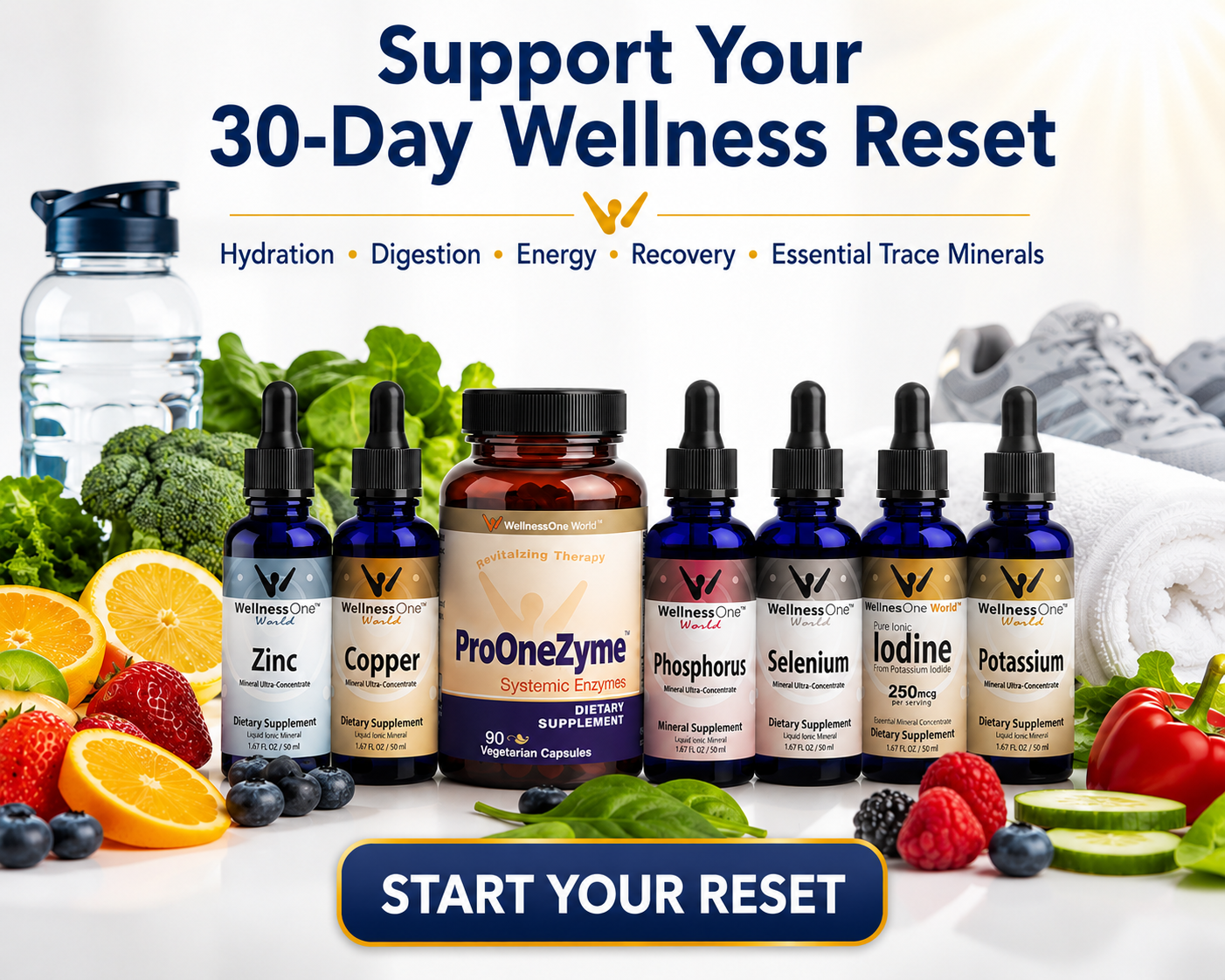
Why These Nutrients Work Better Together
One of the most fascinating things about human health is that no nutrient works alone.
Potassium helps hydrate your cells.
Zinc supports healing and immune function.
Copper helps your body produce energy and use iron effectively.
Digestive enzymes help release nutrients from food.
Phosphorus builds ATP, your body’s energy currency.
Iodine supports healthy metabolism.
Selenium protects cells while supporting healthy thyroid function.
Each nutrient depends on the others. When one area begins to struggle, other systems can be affected as well. That’s why lasting wellness isn’t about focusing on one vitamin or mineral—it’s about supporting your body as the interconnected system it was designed to be.
Your 30-Day Reset Starts Today
You don’t have to change everything overnight to make meaningful progress.
Over the next 30 days, challenge yourself to drink a little more water, move your body a little more often, prioritize quality sleep, choose more whole foods, support healthy digestion, and give your body the essential minerals it relies on every day.
At the end of these 30 days, don’t ask whether you completed a challenge. Ask yourself how much better you feel. If you’re sleeping better, recovering faster, staying hydrated, moving more, and nourishing your body with the minerals and nutrients it depends on every day, you’ve already won. The goal isn’t perfection—it’s creating habits that continue long after summer ends.
Small, consistent choices have a remarkable way of becoming lifelong habits. And those habits—repeated day after day—are often what make the biggest difference in how you feel, not just this summer, but for years to come.
References
- National Institutes of Health Office of Dietary Supplements. (2024). Potassium Fact Sheet for Health Professionals.
- National Institutes of Health Office of Dietary Supplements. (2024). Zinc Fact Sheet for Health Professionals.
- National Institutes of Health Office of Dietary Supplements. (2024). Copper Fact Sheet for Health Professionals.
- National Institutes of Health Office of Dietary Supplements. (2024). Selenium Fact Sheet for Health Professionals.
- National Institutes of Health Office of Dietary Supplements. (2024). Iodine Fact Sheet for Health Professionals.
- National Institutes of Health Office of Dietary Supplements. (2024). Phosphorus Fact Sheet for Health Professionals.
- Harvard T.H. Chan School of Public Health. The Nutrition Source: Water.
- American College of Sports Medicine. (2021). Exercise and Fluid Replacement Position Stand.
- National Sleep Foundation. Healthy Sleep Habits.