
Rethinking Heart Health
When most people think about heart health, they picture cholesterol numbers, blood pressure readings, or a reminder to cut back on salt. Those are important pieces of the puzzle—but they’re only part of the story.
Your heart doesn’t operate in isolation. It depends on trillions of healthy cells, coordinated signaling pathways, balanced inflammation, and efficient energy production throughout the body. Every beat of your heart is supported by microscopic processes happening at the cellular level.
At the center of many of those processes is zinc.
Zinc isn’t usually the first nutrient mentioned in heart health conversations. Omega-3s and magnesium often get more attention. But zinc works quietly behind the scenes, supporting the cellular systems that allow the heart and circulatory system to function normally. It doesn’t just influence one marker—it supports the foundation those markers depend on.
The Heart Is a Cellular Powerhouse
Your heart beats more than 100,000 times every single day. It never clocks out. It never takes a break. That kind of relentless performance requires an extraordinary amount of cellular coordination.
Each heartbeat depends on:
- Ongoing cellular repair
- Efficient energy production inside heart muscle cells
- Clear communication between cells
- A balanced inflammatory response
At the core of these processes are enzymes and signaling pathways—many of which require zinc to function properly.
Zinc plays a role in cell division and tissue repair, both of which are essential for maintaining healthy cardiovascular tissue over time. The cells lining your blood vessels are constantly exposed to mechanical stress from blood flow. They must repair and regenerate regularly. Without adequate zinc, those processes can become less efficient.
In addition, zinc is involved in activating hundreds of enzymes throughout the body. Enzymes are like biological switches—they turn reactions on and off. In the heart and circulatory system, these reactions support energy metabolism, antioxidant protection, and cellular communication.
When zinc levels are sufficient, these systems can operate smoothly. When zinc intake is consistently low, the body has to prioritize immediate survival functions, often leaving long-term maintenance—like vascular repair—under-supported.
Zinc and Circulatory Wellness
Healthy circulation depends heavily on the endothelium, the thin layer of cells that lines your blood vessels. This lining isn’t passive—it actively regulates blood flow, vascular tone, and inflammatory signaling.
Zinc supports normal endothelial function at the cellular level. It contributes to the structural integrity of these cells and helps maintain balanced signaling pathways that influence circulation. When endothelial cells are healthy and responsive, blood vessels can adapt more effectively to changes in demand—whether you’re exercising, under stress, or simply moving through your day.
Zinc also plays a role in immune regulation, which is more connected to vascular health than many people realize. The immune system and circulatory system constantly interact. Chronic immune activation can place strain on blood vessels over time. Zinc helps support a balanced immune response, which in turn supports vascular wellness.
It’s not about dramatic, overnight effects. It’s about steady support—day after day—at the cellular level.
Inflammation, Cells, and the Heart
Inflammation is a normal and necessary part of the body’s defense system. But when inflammation becomes chronic or poorly regulated, it can create ongoing stress within the cardiovascular system.
Zinc supports the body’s normal inflammatory response. It helps regulate signaling molecules involved in inflammation, encouraging balance rather than extremes. This balanced response is important for protecting tissues while preventing unnecessary cellular stress.
One key aspect of zinc’s role here is its involvement in antioxidant defense. Zinc contributes to the function of certain antioxidant enzymes that protect cells from oxidative stress. Oxidative stress can affect vascular cells and heart tissue over time if not properly managed.
Because inflammation and oxidative stress tend to build gradually, zinc works best when taken consistently—not just occasionally. Daily intake helps maintain steady cellular support rather than attempting to correct imbalances after they’ve already developed.
Now Is the Right Time to Focus on Zinc
February is widely recognized as Heart Health Month, but it also represents a transitional point in the year.
It’s the tail end of winter. Immune stress may still be elevated. Sunlight exposure has been lower for months. Energy levels may not feel as strong as they did in early January when motivation was high.
This is often the time when consistency starts to slip.
Supporting heart and circulatory health during this period isn’t about reacting to problems—it’s about reinforcing foundations. Zinc helps maintain momentum by supporting immune balance, energy production, and cellular repair when the body may still be recovering from winter stress.
Rather than waiting for spring to “start fresh,” February offers an opportunity to strengthen the systems that will carry you into the next season.
Liquid Zinc and Consistency
When it comes to minerals, consistency is everything. The body doesn’t store large reserves of zinc in the same way it stores certain other nutrients. That means regular intake matters.
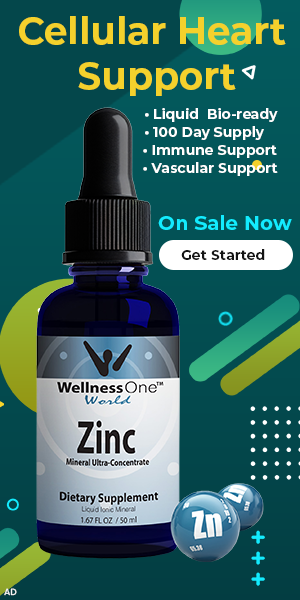
Liquid zinc offers practical advantages. Many people find it easier to incorporate into a daily routine compared to tablets or capsules. It can be absorbed efficiently and is often gentler on digestion when used appropriately.
Most importantly, liquid delivery makes consistency realistic. A small daily habit can translate into long-term cellular support.
When supporting cardiovascular health, the goal isn’t megadosing—it’s steady nourishment.
Building a Heart-Focused Wellness Foundation
Heart health is rarely about a single nutrient. It’s about strengthening the systems the heart depends on.
A simple daily foundation might include:
Liquid zinc to support cellular repair and immune balance.
Liquid magnesium to support muscle function and relaxation—including the heart muscle itself.
Broad-spectrum liquid minerals to support hydration and electrolyte balance.
For those looking to build further, systemic enzyme support—such as formulas designed to promote healthy circulation and overall wellness—can complement a foundational mineral routine.
The point isn’t complexity. It’s synergy.
When cellular repair, muscle function, hydration, and inflammatory balance are supported together, the heart benefits indirectly. The heart doesn’t work alone—it relies on these interconnected systems to perform efficiently.
Heart Health Starts at the Cellular Level
It’s easy to approach heart health with fear—fear of numbers, fear of family history, fear of what might happen years down the road.
But real cardiovascular wellness begins with something much simpler: daily support of cellular processes.
Zinc supports the enzymes, repair mechanisms, and signaling pathways that keep your heart functioning efficiently. It helps maintain balanced inflammation, supports healthy blood vessel lining cells, and contributes to antioxidant protection.
These aren’t flashy benefits. They’re foundational ones.
And foundations matter.
Your heart will beat more than 35 million times this year alone. Every one of those beats depends on tiny cellular processes happening beneath your awareness.
Supporting those processes consistently—especially during transitional times like late winter—helps ensure that your heart isn’t just working, but working well.
Heart health doesn’t start with restriction. It starts with reinforcement.
And sometimes, that reinforcement begins with something as simple—and as powerful—as zinc.

What Our Readers Are Saying
“The Great Wellness Reset has transformed my approach to health. The insights I’ve gained here have truly helped me reclaim my energy and restore my balance.”
“Thanks to the practical advice on this blog, I’ve been able to reset my life with simple, effective wellness tips. Highly recommend!”
“Every post is a treasure trove of wellness wisdom. I’ve learned so much about maintaining a healthy lifestyle.”
“The Great Wellness Reset is my go-to resource for staying informed about the latest in health and wellness. It’s a game-changer!”
“I love how this blog makes complex health topics easy to understand. It’s been a fantastic guide on my wellness journey.”
“Following the tips from this blog has significantly improved my overall well-being. I feel more balanced and energized than ever.”
Your Health and Wellness Questions Answered
How can I improve my energy levels naturally?
Improving your energy levels can be achieved through a balanced diet, regular exercise, and adequate sleep. Incorporating mindfulness practices like meditation can also help boost your energy naturally.
What are some effective stress management techniques?
Effective stress management techniques include deep breathing exercises, yoga, and maintaining a regular exercise routine. It’s also important to set aside time for hobbies and relaxation.
How often should I exercise to maintain good health?
For most adults, it’s recommended to engage in at least 150 minutes of moderate aerobic activity or 75 minutes of vigorous activity each week, along with muscle-strengthening exercises on two or more days a week.
What dietary changes can support a healthier lifestyle?
Incorporating more fruits, vegetables, whole grains, and lean proteins into your diet can support a healthier lifestyle. Reducing processed foods and sugars is also beneficial.
How can I incorporate mindfulness into my daily routine?
Start by dedicating a few minutes each day to mindfulness practices such as meditation or deep breathing. Gradually increase the time as you become more comfortable, and try to remain present in daily activities.



0 Comments