
The Anti-Inflammatory Diet For Long-Term Health
Inflammation is a natural and necessary part of how the body protects and repairs itself. When the system works properly, inflammation helps the body respond to injury, infection, and stress, then settles back down once the problem is resolved. The challenge today is that many people experience ongoing low-grade inflammation, often driven by everyday lifestyle habits.
One of the most influential factors shaping this process is diet. The foods we eat send signals that affect immune activity, metabolism, and cellular health. Choosing nutrient-dense, whole foods can help support balanced inflammatory responses, while highly processed foods may place additional stress on the body. Understanding this connection is a powerful step toward building a lifestyle that supports long-term health and resilience.
How Food Influences Inflammation in the Body
Inflammation has become one of the most discussed topics in modern health. It is linked to heart disease, metabolic disorders, joint pain, digestive problems, and even cognitive decline. Yet inflammation itself is not the enemy. In fact, it is a vital and intelligent process designed to protect the body. When you cut your finger or encounter an infection, inflammation is the immune system’s rapid response team. It sends immune cells, nutrients, and signaling molecules to repair damage and restore balance.
The problem begins when inflammation becomes chronic. Instead of appearing briefly to resolve an issue and then fading away, inflammatory signals remain elevated for months or even years. Researchers often call this low-grade chronic inflammation, and it is now recognized as a major contributor to many modern health concerns.
One of the most powerful factors influencing inflammation is something we encounter several times every day: food. The foods we eat communicate directly with the immune system, the gut microbiome, hormone signaling pathways, and cellular metabolism. Over time, dietary patterns can either calm inflammatory processes or continually provoke them.
Understanding how nutrition shapes inflammation allows us to move beyond trendy “immune boosting” claims and instead adopt a sustainable anti-inflammatory lifestyle.
Understanding the Connection Between Food and Inflammation
Every meal sends signals throughout the body. Nutrients, fats, carbohydrates, and phytochemicals interact with metabolic pathways that regulate immune responses. When foods are rich in natural compounds, fiber, healthy fats, and minerals, they tend to support balanced immune signaling. When foods are highly processed, overloaded with refined sugars, and stripped of nutrients, they can stimulate inflammatory pathways.
One reason nutrition plays such a large role is because the digestive system houses a significant portion of the immune system. The intestinal lining constantly interacts with microbes, food components, and immune cells. What enters the digestive tract influences the microbiome and the signaling molecules that travel throughout the body.
Whole foods—such as vegetables, fruits, nuts, seeds, fish, and olive oil—contain compounds that help regulate oxidative stress and inflammatory signaling. On the other hand, diets high in refined carbohydrates, trans fats, and ultra-processed foods have been associated with elevated inflammatory markers like C-reactive protein (CRP) and interleukin-6.
In simple terms, food does not just provide calories. It provides information to the body about whether conditions are safe, stressful, balanced, or inflammatory.

Whole Foods and the Anti-Inflammatory Pattern
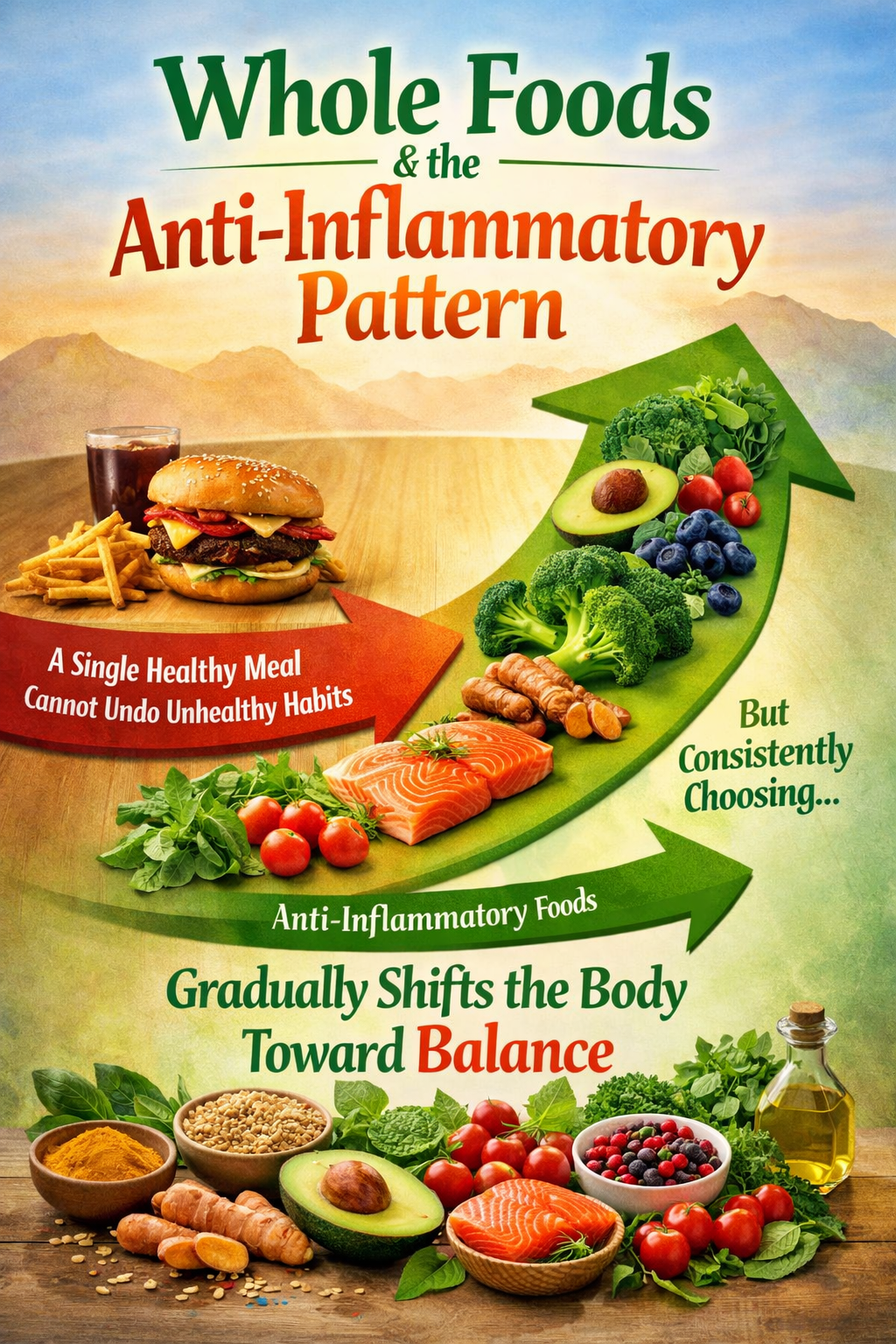
One of the most consistent findings in nutrition research is that dietary patterns matter more than individual foods. A single healthy meal cannot undo weeks of poor dietary habits, but consistently choosing anti-inflammatory foods gradually shifts the body toward balance.
The Mediterranean-style dietary pattern is often considered one of the most anti-inflammatory ways of eating. This approach emphasizes vegetables, fruits, legumes, whole grains, fish, olive oil, herbs, and moderate amounts of nuts and seeds. These foods provide antioxidants, polyphenols, and healthy fats that support cellular resilience.
Colorful fruits and vegetables contain compounds known as phytochemicals that help neutralize oxidative stress. Berries, leafy greens, tomatoes, peppers, and cruciferous vegetables like broccoli and Brussels sprouts are particularly rich in these protective compounds. Oxidative stress is closely tied to inflammation, so reducing it helps prevent unnecessary immune activation.
Healthy fats also play an important role. Omega-3 fatty acids found in fatty fish such as salmon, sardines, and mackerel are known to support the resolution phase of inflammation. Rather than simply blocking inflammation, omega-3 fats help guide the body through the natural cycle of inflammatory response and recovery.
Olive oil, another staple of Mediterranean eating, contains polyphenols that may help regulate inflammatory enzymes. Studies have shown that extra-virgin olive oil can influence markers associated with cardiovascular health and metabolic balance.
Adopting a whole-food dietary pattern does not require perfection. A practical starting point is to ensure that the majority of each meal consists of foods that resemble their natural state. Fresh vegetables, quality proteins, healthy fats, and minimally processed grains create a nutritional environment that supports immune stability.
The Inflammatory Impact of Ultra-Processed Foods
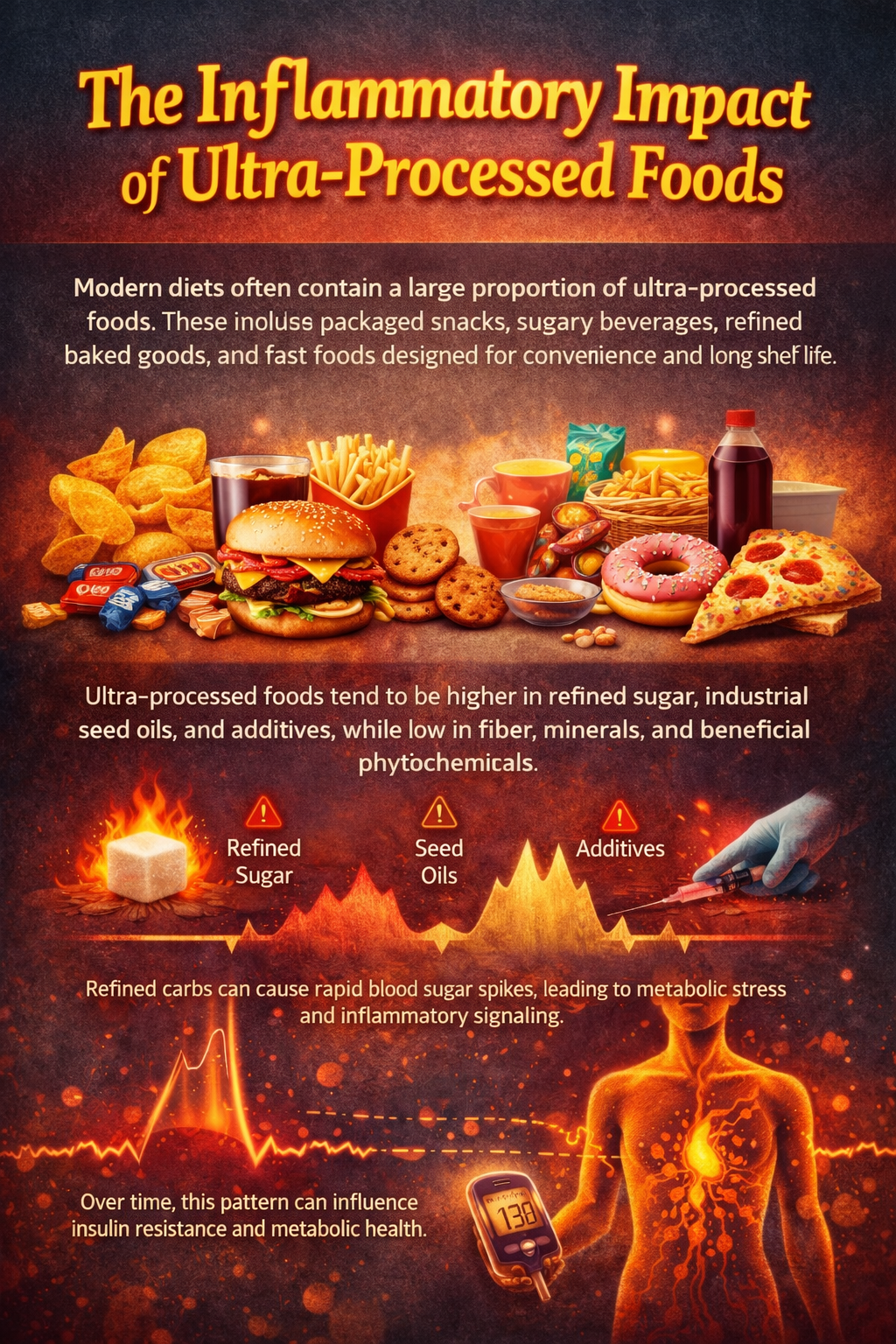
Modern diets often contain a large proportion of ultra-processed foods. These include packaged snacks, sugary beverages, refined baked goods, and fast foods designed for convenience and long shelf life.
These foods typically share several characteristics that can contribute to inflammation. They are often high in refined sugars, industrial seed oils, and additives while being low in fiber, minerals, and beneficial phytochemicals.
Refined carbohydrates can cause rapid spikes in blood sugar. When blood sugar rises quickly, the body releases insulin to bring it back down. Repeated spikes and crashes create metabolic stress and may contribute to inflammatory signaling. Over time, this pattern can influence insulin resistance and metabolic health.
Industrial trans fats and certain oxidized oils may also contribute to inflammatory processes. These fats can affect cell membranes and inflammatory pathways in ways that disrupt normal metabolic signaling.
Another issue is nutrient dilution. Highly processed foods are often calorie-dense but nutrient-poor. When essential minerals and antioxidants are missing, the body has fewer tools available to manage oxidative stress and immune balance.
Reducing ultra-processed foods does not mean eliminating convenience entirely. It means becoming more intentional about everyday food choices. Replacing sugary beverages with water or herbal tea, choosing whole fruit instead of packaged desserts, and cooking simple meals at home a few times per week can significantly shift dietary patterns over time.
Blood Sugar Balance and Inflammatory Stress
Blood sugar regulation is a major but often overlooked factor in inflammation. When glucose levels swing dramatically throughout the day, it places stress on metabolic systems.
Frequent consumption of refined carbohydrates—such as white bread, sugary snacks, and sweetened drinks—can cause blood sugar spikes followed by rapid declines. These fluctuations stimulate stress hormones and inflammatory signaling molecules.
Balanced meals help stabilize blood sugar and reduce metabolic stress. A helpful approach is to combine protein, fiber, and healthy fats in most meals. For example, a meal that includes vegetables, a source of protein like fish or legumes, and a healthy fat such as olive oil or avocado tends to produce a slower and steadier release of energy.
Fiber is particularly important because it slows carbohydrate absorption and feeds beneficial gut bacteria. Whole foods such as beans, oats, vegetables, and seeds provide fiber that supports both metabolic and digestive health.
Practical changes can make a significant difference. Starting the day with a balanced breakfast that includes protein and fiber rather than refined carbohydrates helps set a stable metabolic tone for the day. Choosing whole grains instead of refined grains and including vegetables in multiple meals also supports steady glucose levels.

The Role of Nutrients and Anti-Inflammatory Compounds
Certain nutrients play important roles in regulating inflammation and immune signaling. These nutrients are ideally obtained through whole foods but may also be supported through supplementation when appropriate.
Omega-3 fatty acids are among the most studied anti-inflammatory nutrients. Found in fatty fish and fish oil supplements, these fats help support the resolution phase of inflammation and have been associated with cardiovascular and metabolic health.
Polyphenols, found in foods such as berries, green tea, cocoa, and olive oil, act as antioxidants and may influence inflammatory signaling pathways.
Minerals also play a significant role. Zinc supports immune communication and antioxidant defenses. Selenium contributes to the function of antioxidant enzymes that protect cells from oxidative stress. Copper is involved in connective tissue formation and antioxidant activity, while magnesium participates in hundreds of enzymatic reactions including those related to energy production and muscle function.
When dietary intake is insufficient, supplementation may help fill gaps. Liquid mineral supplements, for example, can offer easily absorbable forms of essential nutrients that support metabolic balance. However, supplements should complement a nutrient-dense diet rather than replace it.
Certain botanical compounds have also been studied for their anti-inflammatory potential. Curcumin from turmeric, ginger extracts, and green tea catechins are among the plant compounds investigated for their influence on inflammatory pathways.
Systemic enzyme supplements, including enzymes like nattokinase, have also been explored for their role in circulation and inflammatory resolution. While research continues to develop in this area, these compounds are often discussed in the context of supporting the body’s natural cleanup and repair processes.

Small Daily Habits That Lower Inflammatory Burden
While nutrition plays a central role, it works best when combined with other supportive lifestyle habits. Adequate sleep, regular physical activity, stress management, and hydration all influence inflammatory signaling.
The goal is not to eliminate inflammation entirely but to create an environment where the body can initiate and resolve inflammatory responses efficiently.
Consistency matters more than perfection. Choosing whole foods more often than processed foods, balancing blood sugar through thoughtful meal composition, and ensuring adequate nutrient intake gradually shift the body toward a more resilient state.
Over time, these small changes accumulate. The immune system becomes better regulated, metabolic systems operate more smoothly, and the body can recover from everyday stress more effectively.
An anti-inflammatory diet is not a temporary plan. It is a sustainable approach to eating that supports long-term health and vitality.

Building an Anti-Inflammatory Kitchen
One of the simplest ways to support an anti-inflammatory lifestyle is to shape the environment where food choices are made. If the kitchen is stocked primarily with whole foods and simple ingredients, healthier decisions become easier.
Keeping fresh vegetables, frozen fruits, nuts, seeds, and quality protein sources available encourages balanced meals. Olive oil, herbs, garlic, and spices can transform simple ingredients into flavorful dishes while adding beneficial phytochemicals.
Planning a few meals each week also helps reduce reliance on ultra-processed convenience foods. Even simple meals—such as grilled fish with vegetables, vegetable soups, or salads with healthy fats—can provide significant nutritional benefits.
Cooking does not need to be complicated. Many anti-inflammatory meals involve combining whole ingredients and allowing their natural flavors to shine.

References
Calder, P. C. (2017). Omega-3 fatty acids and inflammatory processes. Nutrients, 9(7), 1-17.
Estruch, R., et al. (2018). Primary prevention of cardiovascular disease with a Mediterranean diet supplemented with extra-virgin olive oil or nuts. New England Journal of Medicine, 378, e34.
Hotamisligil, G. S. (2017). Inflammation, metaflammation and immunometabolic disorders. Nature, 542, 177-185.
Monteiro, C. A., et al. (2019). Ultra-processed foods, diet quality, and health. Public Health Nutrition, 22(5), 936-941.
Calder, P. C., Ahluwalia, N., Brouns, F., et al. (2011). Dietary factors and low-grade inflammation in relation to overweight and obesity. British Journal of Nutrition, 106(S3), S5-S78.
Godos, J., et al. (2020). Polyphenols and human health: prevention of disease and mechanisms of action. Nutrients, 12(6), 1-22.
Institute of Medicine. (2001). Dietary Reference Intakes for Antioxidants and Trace Elements. National Academies Press.



0 Comments