
Don’t Wait Until Winter to Think About Your Immune Health
Fall has a way of changing our routines almost overnight. The days get shorter, temperatures begin to drop, kids are back in school, schedules become busier, and we start spending more time indoors. Before long, cold and flu season is part of the conversation again.
It’s often at this point that people suddenly start thinking about their immune system. We reach for certain foods, supplements, teas, or other remedies only after someone in the house starts coughing or we wake up with a scratchy throat.
But supporting your immune system works better as an ongoing habit than as a last-minute reaction.
Your immune system is an incredibly complex network of cells, tissues, organs, and chemical signals that works around the clock. Healthy everyday habits—including good nutrition, adequate sleep, and regular physical activity—help support normal immune function.
That makes fall an excellent time for an immune reset.
Instead of waiting until the middle of winter, use the transition into colder weather as a reminder to look at the basics: Are you sleeping enough? Are you eating nutrient-rich foods? Are you staying active? And are you getting enough of important micronutrients such as zinc?
Zinc may be needed only in relatively small amounts, but its role in immune health is anything but small.
Why Fall Is the Perfect Time for an Immune Reset
Think about how different life can look between August and November.
Summer may involve more outdoor activities, longer daylight hours, vacations, and a somewhat different daily schedule. By fall, school and work routines are back in full swing. Daylight disappears earlier, colder weather keeps us indoors more often, and the holiday season begins adding another layer of activity.
Your body is adapting right along with you.
The idea of a fall immune reset isn’t about dramatically “boosting” your immune system. A better goal is to give your body the nutritional and lifestyle support it needs to function normally.
That distinction matters. Your immune system isn’t a switch that can simply be turned up. It is a carefully regulated system that depends on adequate nutrition, sleep, movement, and other healthy behaviors.
Fall gives you a natural checkpoint. Before winter arrives, take a look at the habits that may have gradually slipped and rebuild them now.
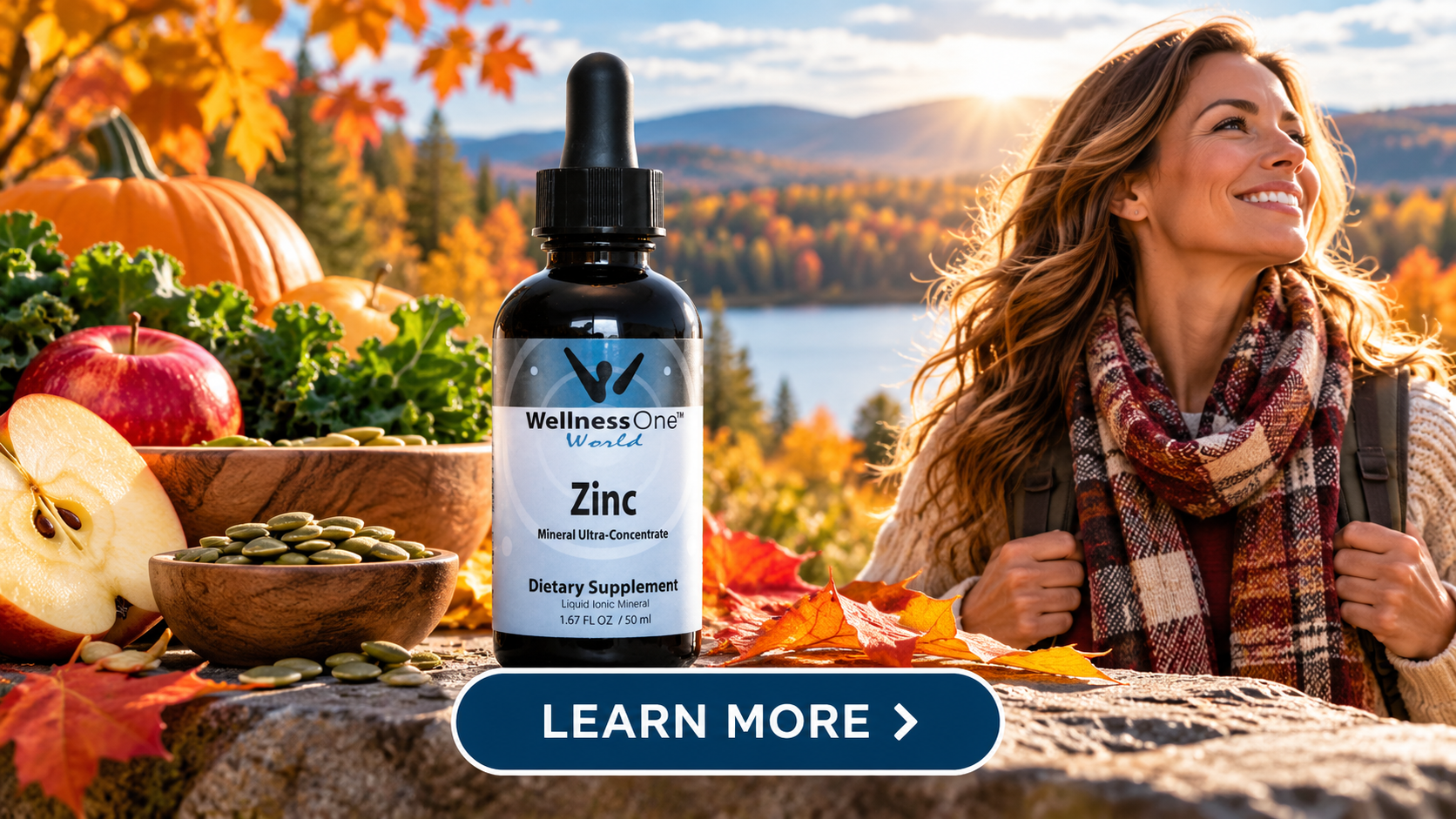
Zinc: A Small Mineral With an Important Job
Zinc is an essential trace mineral, which means your body needs it but cannot produce enough on its own. You have to obtain zinc through your diet or, when appropriate, supplementation.
Although zinc is often associated with immune health, its responsibilities extend well beyond the immune system. It is involved in cellular metabolism, protein and DNA synthesis, wound healing, and many enzyme-dependent processes throughout the body.
Its role in immunity is especially important.
Zinc helps support both innate immunity—your body’s first line of defense—and adaptive immunity, the more specialized part of the immune system. Research has shown that inadequate zinc can interfere with the development and activity of several types of immune cells, including T cells and natural killer cells.
Zinc also contributes to the integrity of tissue barriers, including those associated with the respiratory system.
In other words, zinc isn’t simply something to think about once you become sick. Getting adequate zinc is part of maintaining the body’s normal defenses in the first place.
Why Consistency Matters More Than the Last-Minute Approach
One of the biggest mistakes we make with seasonal wellness is waiting for a problem before changing our habits.
You feel run down, so you finally prioritize sleep.
You develop a cold, so you start paying attention to nutrition.
You realize everyone around you is getting sick, so suddenly immune health moves to the top of the priority list.
A better approach is to build supportive habits while you feel well.
This is especially true with nutrition. The goal isn’t to consume enormous amounts of one nutrient when winter arrives. It’s to consistently give your body the range of nutrients it needs.
The National Institutes of Health notes that adequate amounts of nutrients including vitamins A, C, D, and E, selenium, and zinc are important for normal immune function. Deficiencies can weaken immune responses, but consuming more than you need does not necessarily provide additional protection.
Think of immune preparation less like an emergency repair and more like routine maintenance.
Small things done consistently can add up.
Start With a Zinc-Supportive Diet
One of the easiest places to begin your fall reset is your plate.
Zinc occurs naturally in a variety of foods. Oysters are particularly rich in zinc, while meat, poultry, fish and other seafood can also provide substantial amounts. Beans, nuts, whole grains, eggs, and dairy products contribute zinc as well.
That means you don’t necessarily need to completely redesign your diet. Instead, look at the meals you’re already eating.
Could breakfast include eggs or yogurt?
Could you add beans to a soup or chili?
Could nuts become an afternoon snack instead of something highly processed?
Could dinner include more whole foods, vegetables, quality protein, and whole grains?
Fall is actually a great season for making these changes because cooler weather naturally lends itself to nutrient-dense meals. Soups, stews, roasted vegetables, beans, whole grains, lean meats, and hearty salads can all become part of a balanced seasonal eating pattern.
The goal isn’t perfection. It’s variety.
A healthy immune system depends on far more than one nutrient, so zinc should be viewed as one piece of a much larger nutritional picture.
Make Sleep Part of Your Immune Strategy
Nutrition gets much of the attention when we talk about immune health, but sleep deserves a place near the top of the list.
Adults generally need at least seven hours of sleep each night, and adequate sleep supports normal immune responses.
Fall can make maintaining a good sleep schedule surprisingly difficult. School activities pick up. Work gets busy. Holiday planning begins. Football games, evening activities, streaming shows, and smartphones can push bedtime later even when your morning alarm doesn’t change.
Before winter arrives, try resetting your sleep routine.
Aim for consistent sleep and wake times. Give yourself some quiet time before bed. Dim the lights and reduce late-night screen use when possible. Make your bedroom comfortable, cool, and dark.
Most importantly, stop thinking of sleep as the thing you do after everything else is finished.
Sleep is part of the maintenance your body needs.
Keep Moving as the Weather Changes
When summer ends, physical activity often drops without us noticing.
Even if you don’t follow a formal exercise program, warmer months naturally create opportunities to move. You might garden, walk after dinner, work outside, visit parks, or simply spend more time on your feet.
Then cooler weather arrives.
The couch starts looking better.
But regular physical activity remains an important part of overall wellness throughout fall and winter. It can improve sleep, reduce anxiety, support cardiovascular health, and provide many other long-term benefits. Emerging research also suggests regular activity may benefit immune function.
You don’t have to turn fall into an extreme fitness challenge.
Walk after lunch. Take the stairs. Do strength exercises at home. Go hiking on a cool weekend. Find an indoor activity you actually enjoy before snow and ice make outdoor exercise more difficult.
The best winter exercise plan is usually the one you establish before winter begins.
Don’t Forget About Stress
Fall can be beautiful, but it can also be busy.
School schedules, work deadlines, sports, appointments, holiday preparation, family gatherings, travel, and financial pressures can all begin piling up at the same time.
That’s why an immune reset should include mental recovery too.
You don’t need an elaborate wellness routine. Sometimes supporting yourself means taking a quiet walk, turning off your phone for a while, reading before bed, spending time outdoors, praying or meditating, or simply leaving some open space in your schedule.
Rest doesn’t have to mean doing nothing.
It means giving your body and mind opportunities to recover from constant demands.
If every hour of every day is filled, something eventually gets pushed aside—and very often that something is sleep, healthy eating, movement, or recovery.
More Zinc Isn’t Always Better
Because zinc is important for immune function, it’s easy to assume that taking more must provide more benefit.
That’s not how nutrition works.
For adults, the recommended dietary allowance is generally 11 milligrams per day for men and 8 milligrams per day for women, with somewhat different requirements during pregnancy and breastfeeding.
Supplementation can be useful when dietary intake is inadequate or when a healthcare professional identifies a need, but excessive zinc intake can cause problems and can interfere with other nutrients and medications.
It’s also important to separate supporting normal immune function from preventing illness. Research on zinc and the common cold, for example, suggests that certain zinc lozenges taken after symptoms begin may shorten a cold in some circumstances, but evidence does not show that zinc supplementation reliably prevents colds.
That’s an important distinction.
Your goal shouldn’t be to overload your body with zinc. It should be to make sure your body has enough.
If you’re considering supplementation—particularly higher amounts or long-term use—talk with your healthcare provider about what’s appropriate for you.
Build Your Winter Routine Before You Need It
One of the best things about a fall reset is that you have time.
You don’t have to change everything tomorrow.
Start by looking at breakfast. Then your sleep schedule. Then your activity level.
Maybe this week you focus on eating more nutrient-dense foods. Next week you start going to bed 30 minutes earlier. After that, you establish a walking routine that you can continue when the weather gets colder.
These aren’t dramatic changes.
That’s exactly the point.
A sustainable wellness routine shouldn’t require constant motivation. It should eventually become part of normal life.
By the time winter arrives, eating well, moving regularly, prioritizing sleep, managing stress, and paying attention to important nutrients such as zinc can already be part of your routine.
Your Immune System Needs More Than One Nutrient
Zinc deserves attention, but no single nutrient carries the immune system on its own.
Your body depends on adequate protein, vitamins, minerals, healthy fats, and energy to build and maintain cells and tissues. Nutrients such as vitamins A, B6, B12, C, D, and E, along with copper, iron, selenium, zinc, and others, all contribute to normal immune function in different ways.
This is why the strongest fall wellness strategy is usually the least exciting one: eat a varied diet, sleep enough, stay active, manage stress, and address nutritional gaps when necessary.
These fundamentals matter during every season.
Fall simply gives us a good reminder to revisit them.
Just as seasonal transitions can affect sleep, hydration, activity, and nutritional routines, paying attention to the body’s changing needs can make these transitions easier to manage.
Prepare Now Instead of Playing Catch-Up Later
Winter shouldn’t be the first time you start thinking about immune health.
Fall gives you an opportunity to prepare.
Use these weeks to strengthen the routines that tend to disappear when life becomes busy. Prioritize consistent sleep. Eat a variety of nutrient-rich foods. Keep moving even as temperatures fall. Make room for recovery. And pay attention to essential micronutrients such as zinc.
Zinc may be a trace mineral, but it supports fundamental processes involved in normal immune function. The key isn’t consuming as much as possible. It’s making adequate nutrition part of a bigger, consistent wellness routine.
You can’t control every germ you’ll encounter this winter.
But you can control many of the everyday habits that help support your body’s normal defenses.
Start now.
By the time winter arrives, your fall immune reset won’t feel like a reset anymore.
It will simply be your routine.
References
- National Institutes of Health, Office of Dietary Supplements. Dietary Supplements for Immune Function and Infectious Diseases: Fact Sheet for Health Professionals.
- National Institutes of Health, Office of Dietary Supplements. Zinc: Fact Sheet for Health Professionals.
- National Institutes of Health, Office of Dietary Supplements. Zinc: Fact Sheet for Consumers.
- Centers for Disease Control and Prevention. Support Your Immune Health. Updated September 8, 2026.
- Centers for Disease Control and Prevention. Healthy Habits: Enhancing Immunity.
- Centers for Disease Control and Prevention. Health Benefits of Physical Activity for Adults.
- Shankar, A. H., & Prasad, A. S. (1998). Zinc and immune function: The biological basis of altered resistance to infection. The American Journal of Clinical Nutrition, 68(2 Suppl), 447S–463S.