There’s something motivating about summer.
Longer days, warmer weather, fresh produce, and more time spent outdoors naturally encourage healthier habits. Many people drink more water, become more active, cook lighter meals, and spend more time enjoying nature. Whether you intentionally started a wellness routine or simply found yourself making better choices, summer often becomes an unexpected reset for your health.
Then fall arrives.
Schedules become busier. Children return to school. Vacations end. Holidays begin appearing on the calendar. Cooler temperatures encourage us to stay indoors, and many of the healthy routines that felt effortless during the summer slowly begin to disappear.
The good news is they don’t have to.
Fall isn’t the season to start over—it’s the season to continue building on the foundation you’ve already created. Instead of viewing autumn as the end of your healthy season, think of it as the opportunity to strengthen habits that can carry you through winter and beyond.
Let’s explore the lessons worth keeping as summer comes to an end and why nutrients like potassium, zinc, copper, phosphorus, iodine, selenium, and digestive enzymes continue to play important roles throughout the changing seasons.
Your Body Doesn’t Stop Needing Hydration Just Because It’s Cooler
One of the healthiest habits many people develop during summer is drinking more water.
When temperatures climb, dehydration becomes obvious. We sweat more, spend more time outdoors, and naturally reach for water throughout the day.
Fall is different.
As temperatures cool, thirst often decreases, even though your body still requires consistent hydration. Indoor heating begins drying the air, people drink more coffee and warm beverages, and many unknowingly become mildly dehydrated.
Even small decreases in hydration can influence energy, concentration, circulation, digestion, and physical performance.
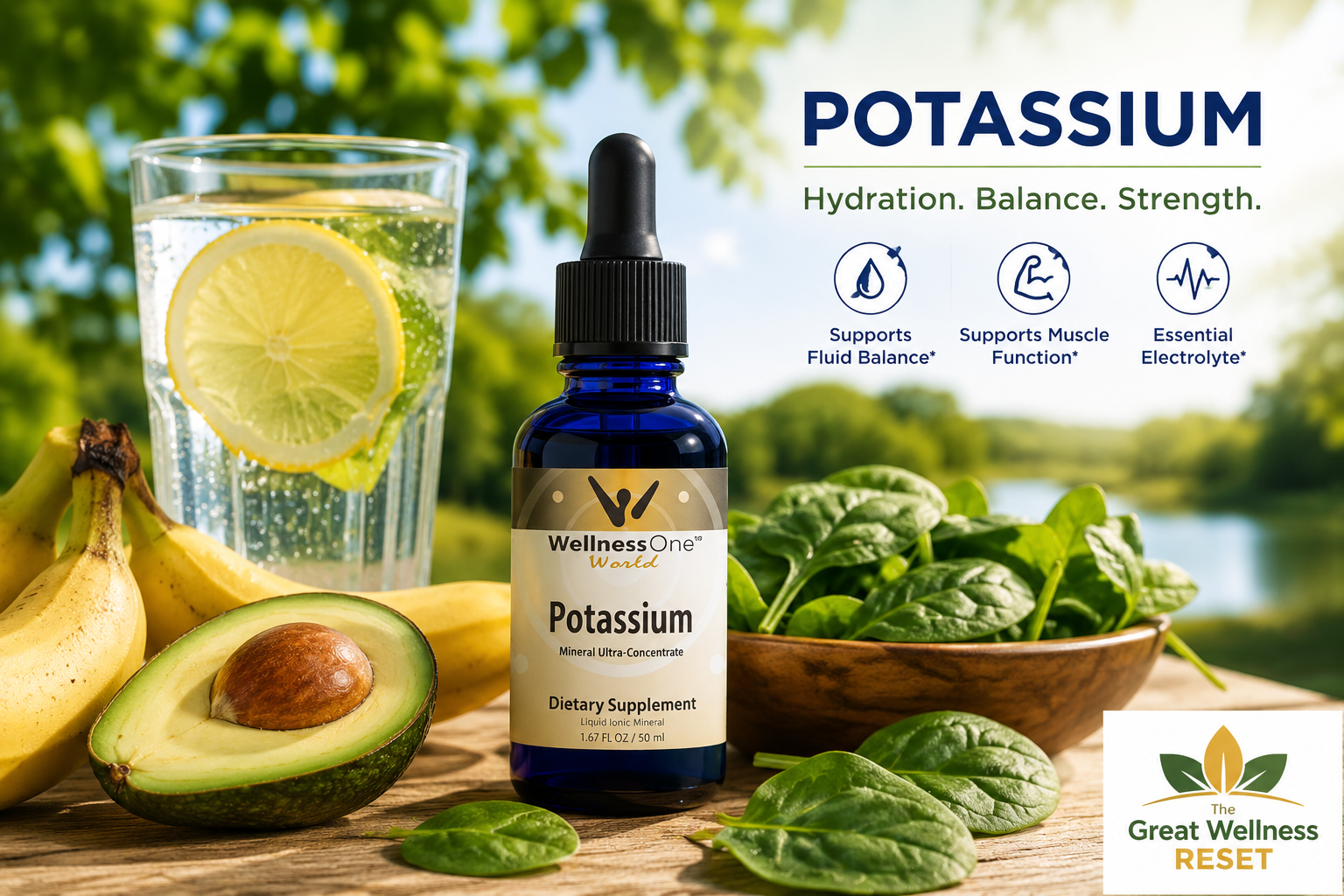
This is also where potassium continues to matter.
Potassium helps maintain normal fluid balance inside your cells while supporting healthy nerve communication and muscle function. Since hydration is about more than simply drinking water, maintaining an adequate intake of potassium-rich foods such as potatoes, bananas, avocados, beans, leafy greens, and squash can help support your body’s natural fluid balance throughout the season.
Rather than waiting until you feel thirsty, continue the habit of carrying a water bottle and drinking consistently throughout the day.
Your body benefits from steady hydration all year—not just during the hottest months.
Support Your Immune System Before Cold Season Arrives
Many people don’t think about immune health until they begin hearing coughs and sneezes around them.
By then, fall is already well underway.
Instead, autumn is an excellent opportunity to continue supporting your immune system through nutrition and healthy lifestyle habits.
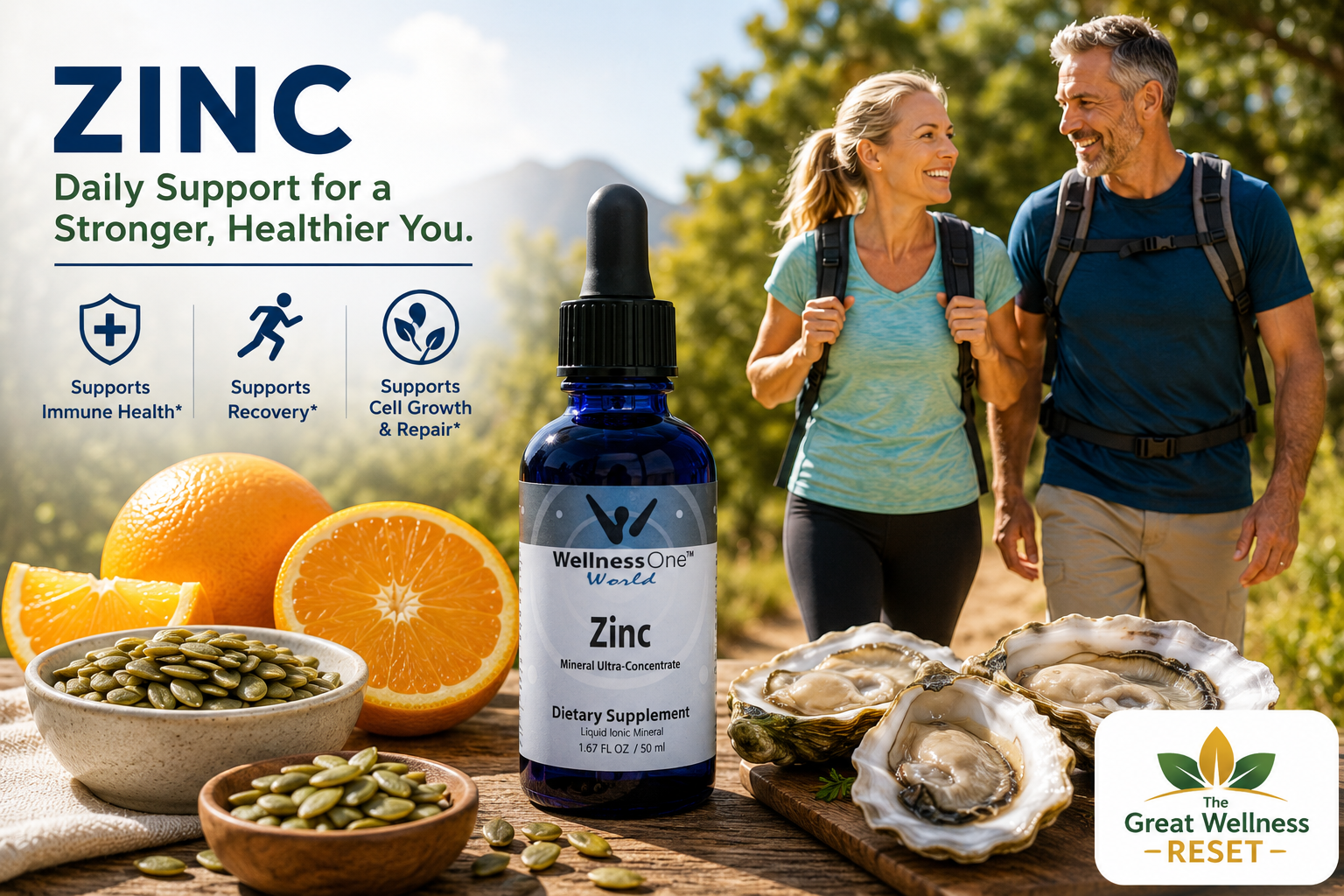
Zinc plays an important role in normal immune function, healthy wound healing, DNA synthesis, and cellular growth. It is involved in hundreds of enzymatic reactions throughout the body and helps immune cells develop and communicate effectively.
Good dietary sources include beef, poultry, seafood, beans, pumpkin seeds, dairy products, and whole grains.
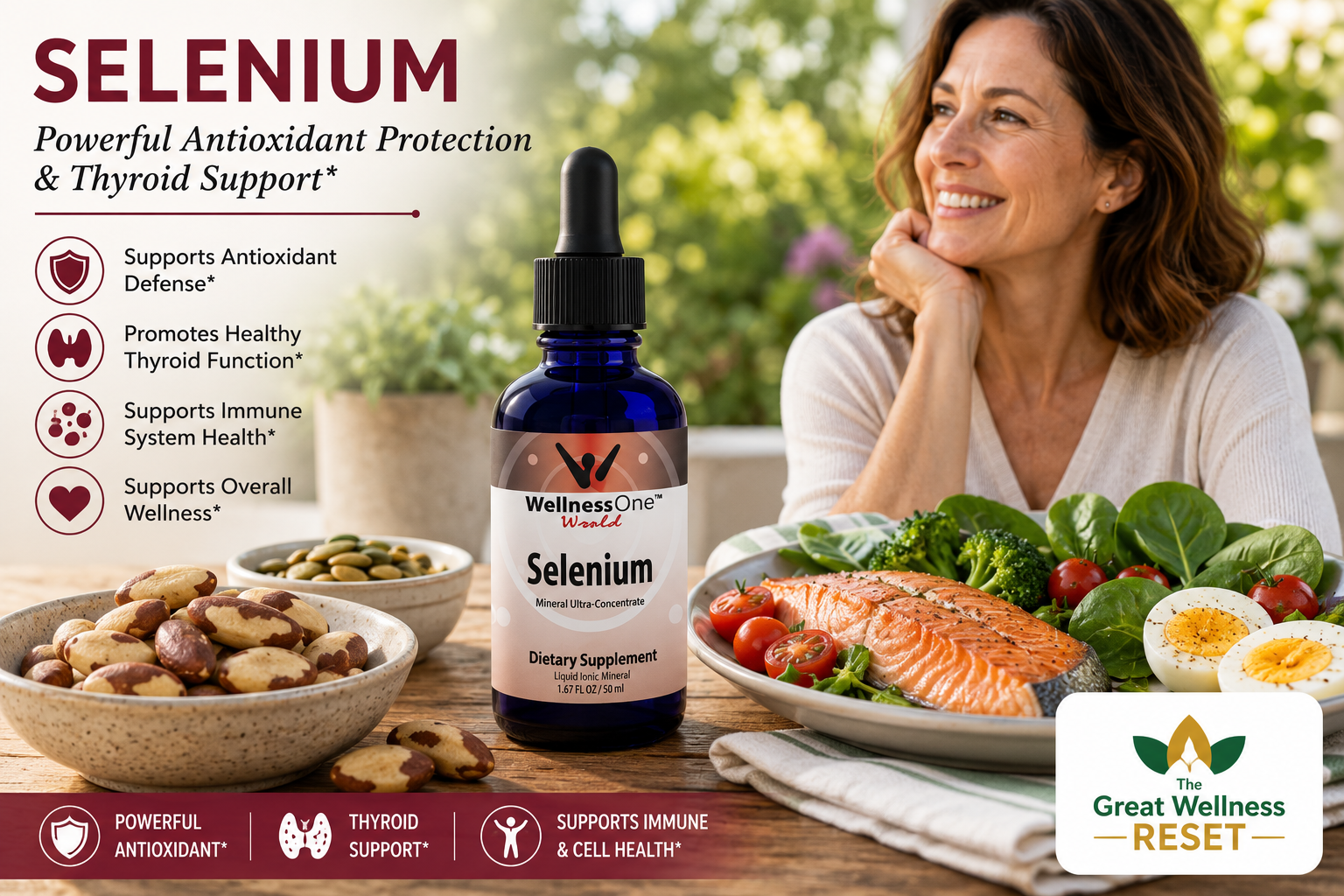
Selenium is another essential trace mineral that often receives less attention but contributes significantly to immune health.
Selenium supports antioxidant enzymes that help protect cells from oxidative stress while also contributing to normal thyroid and immune function.
Brazil nuts, seafood, eggs, meats, and whole grains provide selenium naturally.
Rather than waiting until winter arrives, continuing nutrient-rich eating habits now helps prepare your body for the months ahead.
Healthy Digestion Is Still the Foundation of Good Nutrition
Summer often encourages lighter meals filled with fruits, vegetables, salads, and fresh foods.
As fall arrives, comfort foods tend to return.
Soups, casseroles, baked goods, holiday meals, and richer foods become more common. While these foods certainly have their place, digestive health remains just as important.
Your digestive system is responsible for breaking down food into nutrients your body can actually absorb and use.
Digestive enzymes naturally produced by your pancreas, stomach, and small intestine help break proteins, fats, and carbohydrates into smaller components that your body can utilize.
As we age, natural enzyme production may gradually decline, making digestion less efficient for some individuals.
Supporting digestion through mindful eating, thoroughly chewing food, staying hydrated, eating fiber-rich foods, and consuming naturally enzyme-containing foods like pineapple and papaya can all help maintain digestive comfort.
When your digestive system functions efficiently, your body is better able to utilize vitamins, minerals, and other nutrients needed to support overall wellness throughout the fall season.

Don’t Let Movement Become a Seasonal Activity
Summer naturally invites movement.
Walking after dinner, gardening, swimming, hiking, cycling, and simply spending more time outside all contribute to increased physical activity.
When cooler weather arrives, those opportunities often become less frequent.
Instead of thinking about exercise as something reserved for warm weather, consider how movement supports your health every season.
Regular activity helps maintain cardiovascular health, supports healthy blood sugar levels, improves circulation, encourages better sleep, and contributes to emotional well-being.
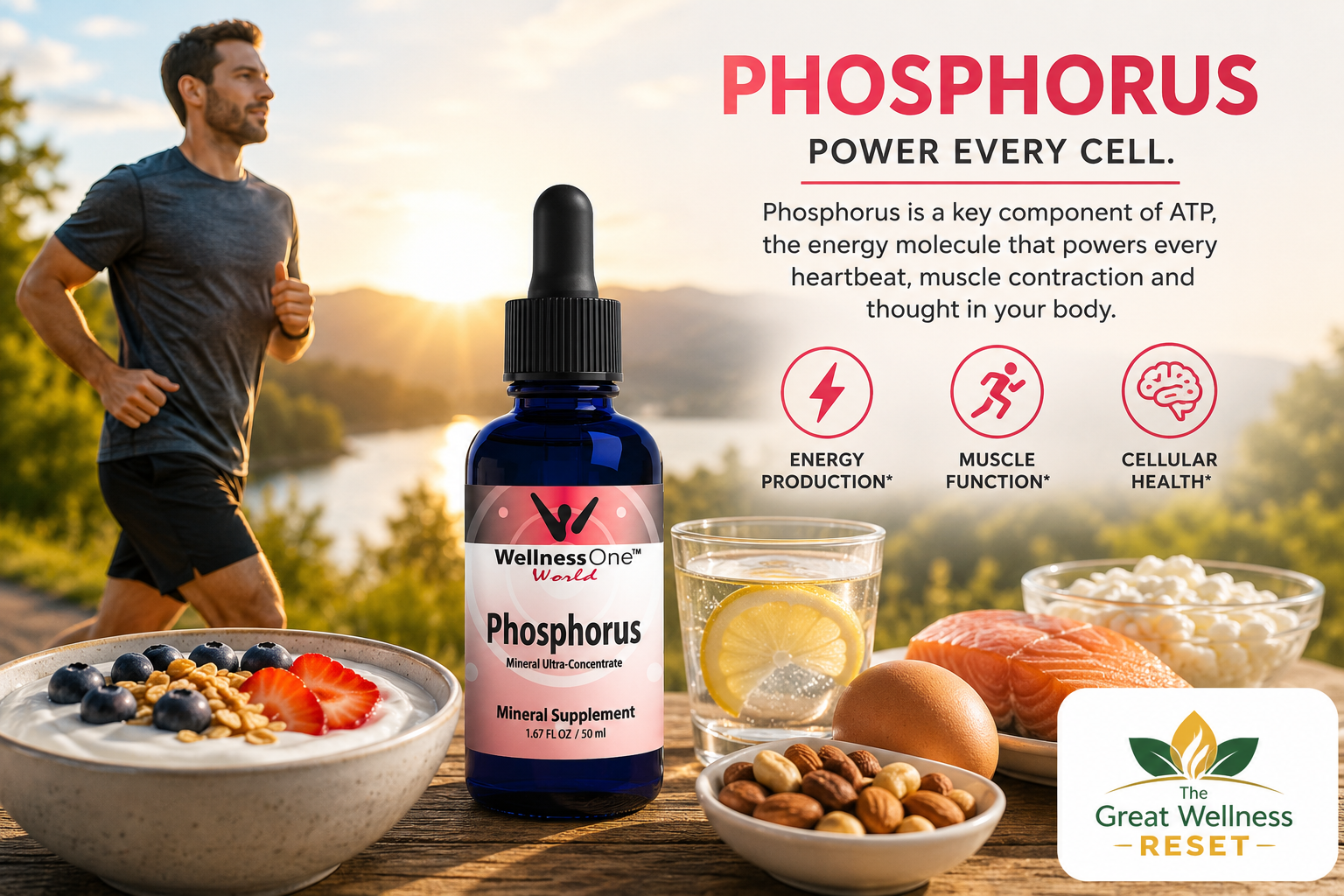
Movement also relies heavily on phosphorus.
Every cell in your body uses phosphorus to help produce ATP, the molecule that stores and transfers energy. Without adequate phosphorus, your muscles, brain, and organs couldn’t efficiently convert food into usable energy.
Foods including dairy products, lean meats, fish, poultry, beans, nuts, seeds, and whole grains naturally provide phosphorus as part of a balanced diet.
The goal isn’t necessarily longer workouts—it is consistency.
Even twenty or thirty minutes of walking each day can help preserve the momentum you built over the summer.
Small Minerals Continue Doing Big Jobs
It’s easy to focus on vitamins while overlooking trace minerals.
Yet these nutrients quietly support countless processes every single day.
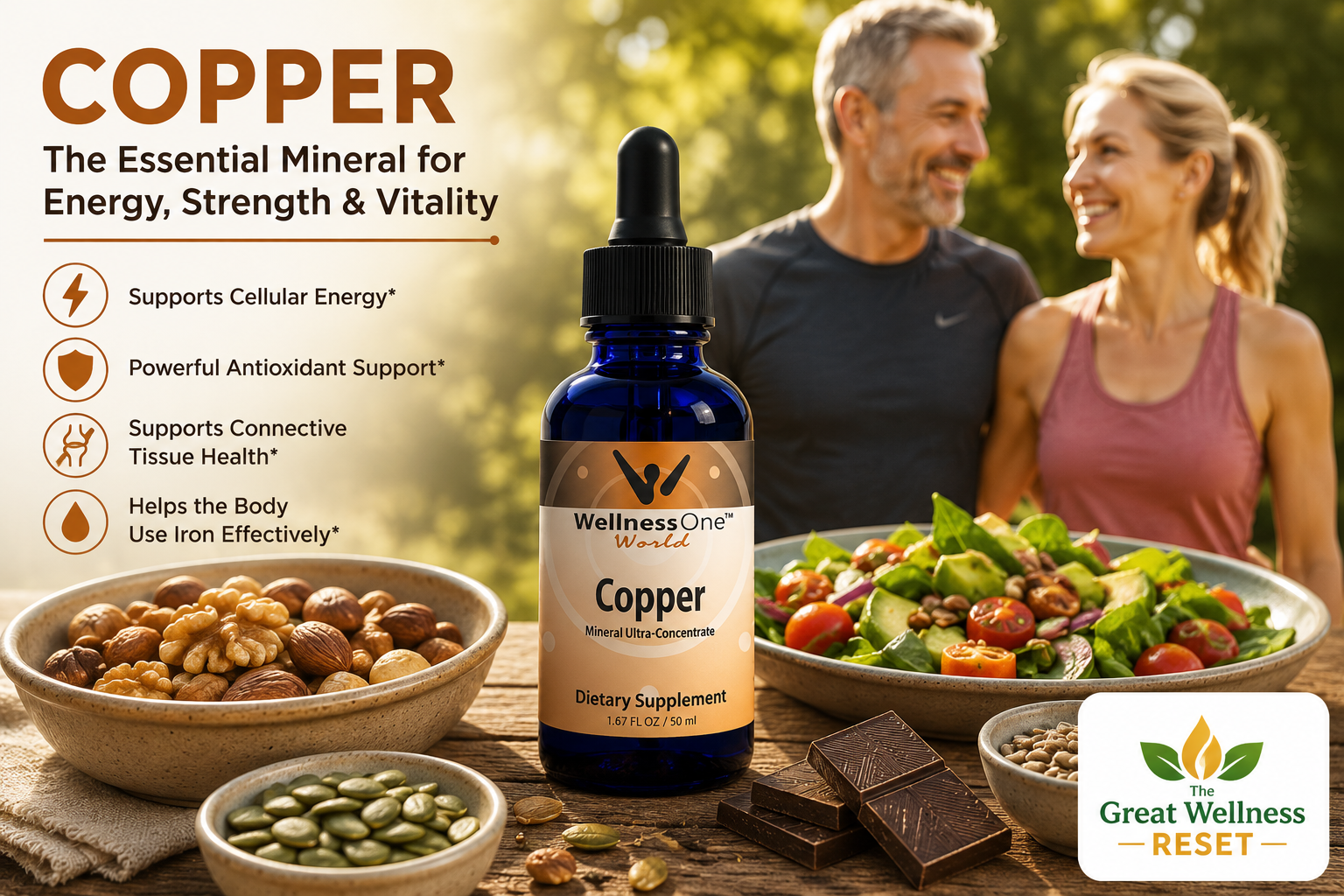
Copper helps maintain healthy connective tissue, supports iron metabolism, assists energy production, and contributes to antioxidant defense by working alongside several important enzymes.
Although required in much smaller amounts than some nutrients, copper remains essential for normal physiological function.
Foods such as shellfish, nuts, seeds, mushrooms, legumes, dark chocolate, and whole grains provide dietary copper.
Because many trace minerals work together, maintaining an overall balanced diet helps support the body’s interconnected systems rather than focusing on only one nutrient at a time.
Healthy nutrition is rarely about one “super nutrient.”
It’s about giving your body a complete collection of tools to perform thousands of daily processes efficiently.
Your Thyroid Still Deserves Attention
As daylight hours shorten during fall, many people notice subtle changes in energy and mood.
While changing routines certainly contribute, maintaining normal thyroid function also remains important year-round.
The thyroid helps regulate metabolism, body temperature, growth, and energy production.
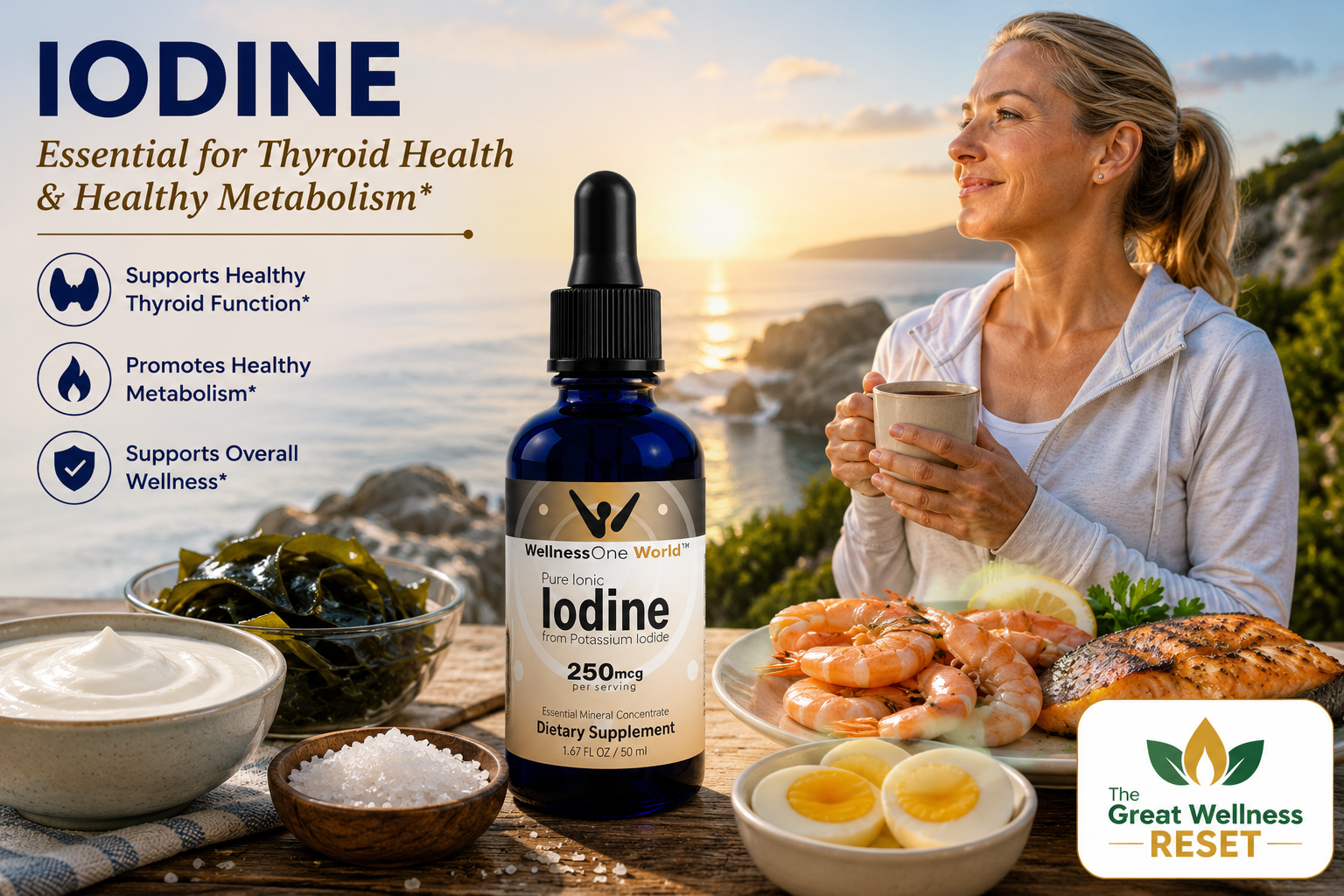
Iodine is one of the essential nutrients required to produce thyroid hormones.
Without enough iodine, normal thyroid hormone production becomes more difficult.
Seafood, dairy products, eggs, and iodized salt remain among the primary dietary sources for many individuals.
Selenium also works closely alongside iodine by supporting enzymes involved in thyroid hormone metabolism.
These two minerals illustrate how nutrition rarely works in isolation. Instead, nutrients often depend upon one another to help maintain normal physiological function.
Recovery Is Just as Important as Activity
Summer often inspires us to become more active.
Fall reminds us that recovery deserves equal attention.
Sleep, stress management, balanced nutrition, hydration, and restorative downtime all allow your body to recover from everyday demands.
Many important nutrients contribute indirectly to this process.
Potassium supports normal muscle function.
Phosphorus contributes to cellular energy production.
Copper assists connective tissue maintenance.
Zinc supports tissue repair.
Selenium helps protect cells from oxidative stress.
Digestive enzymes assist nutrient utilization.
Together, these systems continuously work behind the scenes to help your body adapt to daily physical and mental challenges.
Recovery isn’t about doing less.
It’s about allowing your body enough time and resources to continue functioning efficiently.

Fall Is the Perfect Time to Build Consistency
One of the biggest lessons from a successful summer wellness reset is that dramatic changes rarely create lasting results.
Small habits repeated consistently usually have the greatest long-term impact.
Maybe you began drinking more water.
Perhaps you started walking every morning.
Maybe you cooked more meals at home or spent more evenings outside.
Rather than replacing those habits with entirely new goals, ask yourself how you can continue them in ways that fit the changing season.
A walk through colorful autumn leaves can replace a summer evening stroll.
Homemade soups can still include plenty of vegetables and lean proteins.
Indoor stretching or strength training can replace outdoor workouts when temperatures drop.
Healthy routines should adapt with the seasons—not disappear because of them.
Wellness Is a Year-Round Journey
It’s tempting to think of health as something we focus on only when motivation is high.
But lasting wellness isn’t seasonal.
Your body continues producing energy, digesting food, repairing tissues, supporting immunity, regulating hormones, and maintaining countless other functions every day of the year.
Those processes rely on consistent nutrition, hydration, movement, sleep, and recovery regardless of the weather outside.
Each healthy decision you continue making this fall builds upon the progress you made during summer.
Instead of starting over every January, imagine entering winter already feeling healthier, stronger, and more energized because you never stopped taking care of yourself.
Carry Summer’s Success Into Every Season
Summer may have introduced healthier habits, but fall is where those habits become a lifestyle.
The transition between seasons doesn’t have to mean losing momentum. In fact, it’s one of the best opportunities to reinforce the routines that helped you feel your best.
Continue drinking plenty of water. Stay active even when temperatures cool. Support healthy digestion. Eat a wide variety of nutrient-rich foods that naturally provide potassium, zinc, copper, phosphorus, iodine, selenium, and other essential nutrients. Prioritize quality sleep and make time for recovery.
These aren’t just summer habits—they’re lifelong investments in your health.
The seasons will always change, but the choices you make each day can continue supporting your wellness no matter what the calendar says.
References
- National Institutes of Health Office of Dietary Supplements. (2024). Potassium Fact Sheet for Health Professionals.
- National Institutes of Health Office of Dietary Supplements. (2024). Zinc Fact Sheet for Health Professionals.
- National Institutes ofHealth Office of Dietary Supplements. (2024). Copper Fact Sheet for Health Professionals.
- National Institutes of Health Office of Dietary Supplements. (2024). Phosphorus Fact Sheet for Health Professionals.
- National Institutes of Health Office of Dietary Supplements. (2024). Iodine Fact Sheet for Health Professionals.
- National Institutes of Health Office of Dietary Supplements. (2024). Selenium Fact Sheet for Health Professionals.
- Harvard T.H. Chan School of Public Health. The Nutrition Source.
- Academy of Nutrition and Dietetics. Healthy Eating Throughout the Seasons.
- American Heart Association. Healthy Lifestyle Recommendations.
- Mayo Clinic. Nutrition and Healthy Lifestyle Guidance.