Enjoy the Treats Without Losing the Balance
Halloween is one of the most exciting times of the year for families. Between pumpkin carving, costume parties, neighborhood trick-or-treating, and buckets of colorful candy, there’s plenty to look forward to. For children, it’s a night filled with excitement and sweet surprises. For parents, however, it can also bring concerns about excessive sugar, disrupted routines, and the inevitable question: How much candy is too much?
The good news is that enjoying Halloween doesn’t have to mean abandoning healthy habits. In fact, with a little planning and a balanced approach to nutrition, your family can celebrate the holiday without turning it into a weeklong candy marathon.
The goal isn’t to eliminate sugar completely or make children feel guilty about enjoying their favorite treats. Instead, it’s about helping everyone understand how food affects the body, why balanced nutrition matters, and how simple choices can support more consistent energy throughout the day.
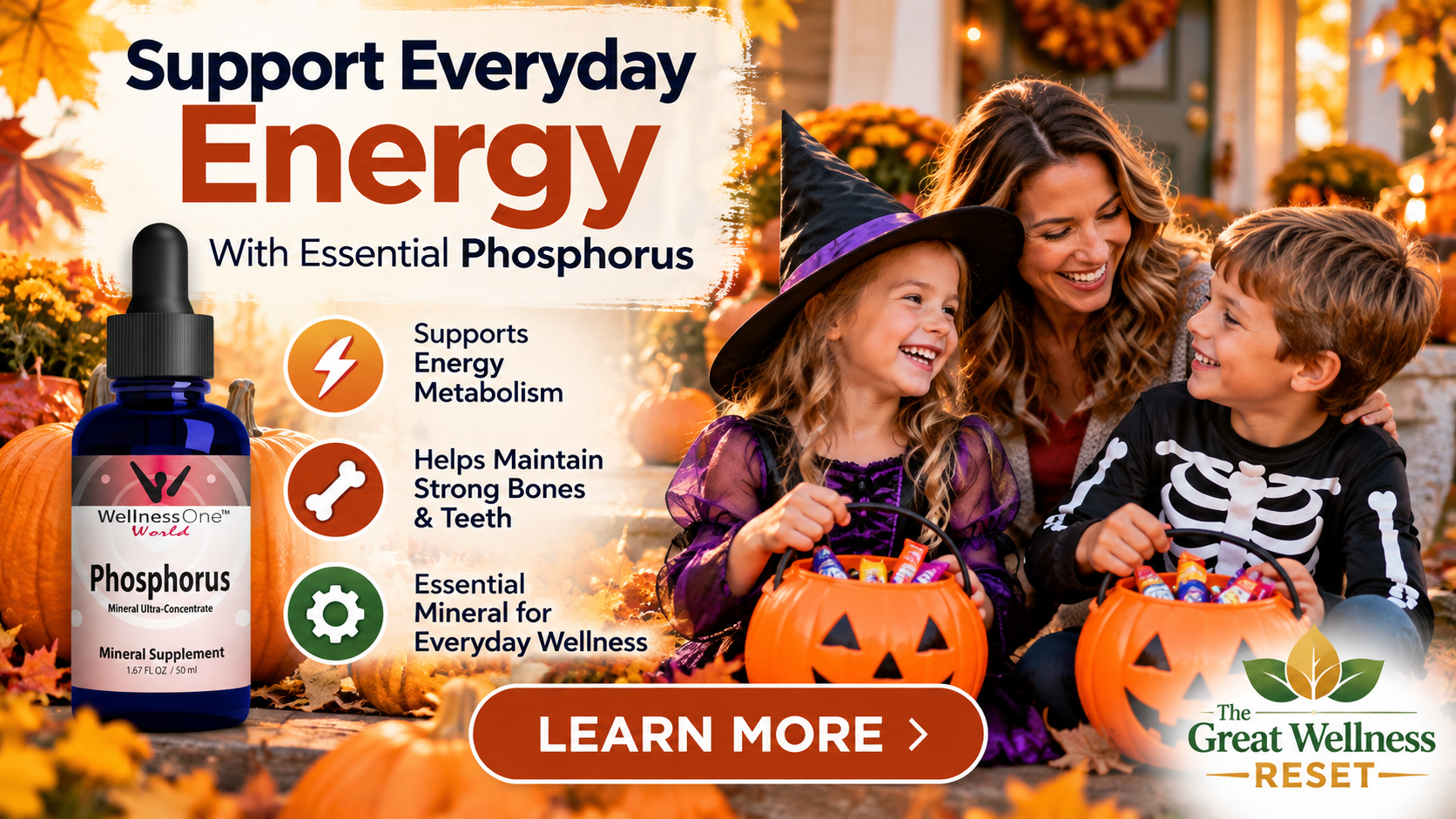
One important piece of this conversation involves the nutrients that help our bodies turn food into usable energy. Among them is phosphorus, an essential mineral that rarely receives much attention but plays a fundamental role in cellular energy metabolism.
This Halloween, consider taking a different approach. Rather than focusing entirely on what your family shouldn’t eat, focus on building habits that make room for fun while supporting long-term health.
Why Halloween Candy Can Leave You Feeling Drained
We’ve all experienced those moments when a sweet snack provides a quick burst of excitement, only to be followed by hunger, tiredness, or a desire for something else to eat.
Candy is often rich in added sugars and relatively low in fiber, protein, and other nutrients that contribute to a satisfying meal. When consumed on its own, particularly in large amounts, it can cause blood glucose levels to rise relatively quickly.
Your body responds by releasing insulin, a hormone that helps move glucose from the bloodstream into cells, where it can be used for energy or stored for later.
This process is completely normal. However, eating large quantities of sugary foods without much protein, fiber, or fat can contribute to greater fluctuations in blood sugar and hunger.
It’s worth noting that the familiar “sugar crash” isn’t always caused by a true drop in blood glucose. Excitement, inadequate sleep, skipped meals, and the natural ups and downs of a busy day can also contribute to feeling tired or irritable.
For children, Halloween often combines several of these factors. They may spend hours walking through neighborhoods, stay awake later than usual, and eat candy instead of their regular evening snacks.
The result can be an overtired child who has had plenty of sweets but not necessarily the balanced nutrition their body needs.
Fortunately, a few small adjustments can make a meaningful difference.
The Secret to Steadier Energy Is Balanced Nutrition
When thinking about energy, it’s easy to focus entirely on sugar. After all, glucose is an important fuel source for the body.
But energy metabolism is much more complex than simply eating something sweet.
Your body relies on carbohydrates, proteins, fats, vitamins, and minerals to perform the countless chemical reactions that keep you functioning throughout the day.
Carbohydrates provide an important source of fuel, while proteins support tissue maintenance and growth. Healthy fats contribute to cell function and help the body absorb certain vitamins.
Fiber slows digestion and can help moderate the rise in blood glucose following a meal.
This is why a balanced meal usually provides a more satisfying foundation than candy alone.
For example, imagine your family is preparing to head out for trick-or-treating. Instead of rushing out the door with an empty stomach, consider serving a simple dinner that includes grilled chicken, roasted vegetables, and brown rice.
The combination of protein, fiber-rich carbohydrates, and other nutrients provides nourishment before an evening of walking and excitement.
For younger children, a turkey sandwich with whole-grain bread, fruit, and milk might be an easier option.
Neither meal needs to be complicated. What matters is that your family begins the evening feeling satisfied rather than relying on candy to replace dinner.
And when the treats come later, they become part of the celebration rather than the main source of nourishment.
Phosphorus: The Overlooked Mineral Behind Cellular Energy
When discussing nutrients involved in energy metabolism, people often think about B vitamins, iron, or magnesium.
However, phosphorus deserves a place in that conversation.
Phosphorus is an essential mineral found throughout the body. According to the National Institutes of Health, approximately 85% of the body’s phosphorus is stored in bones and teeth, while the remainder is distributed throughout cells and other tissues.
One of its most important functions involves the production and use of adenosine triphosphate, commonly called ATP.
ATP is often described as the body’s energy currency because cells use it to power numerous biological activities, including muscle contractions, nerve signaling, and the synthesis of important molecules.
Phosphorus is a structural component of ATP. The phosphate groups within ATP participate in reactions that transfer energy for cellular work.
Think of ATP as a rechargeable battery that helps power the body’s everyday functions. Phosphorus is part of the molecular structure that makes this energy-transfer system possible.
Whether you’re walking through the neighborhood with your children, preparing dinner, or simply going about your day, your cells depend on ATP to function.
Phosphorus also contributes to healthy bones and teeth, cell membranes, and the body’s acid-base balance.
However, there’s an important distinction: phosphorus is necessary for normal energy metabolism, but consuming extra phosphorus beyond your body’s needs does not automatically increase energy or prevent fatigue.
Most people who eat a varied diet already obtain adequate phosphorus. The goal is to maintain sufficient intake through balanced nutrition, not to assume that more is always better.
Where Your Family Can Find Phosphorus Naturally
One of the encouraging things about phosphorus is that it occurs naturally in many familiar foods.
Milk, yogurt, cheese, poultry, fish, eggs, beans, lentils, nuts, and whole grains all provide phosphorus in varying amounts.
This makes it relatively easy to include phosphorus-containing foods in everyday meals without creating a complicated nutrition plan.
For breakfast, a bowl of oatmeal with yogurt and chopped nuts provides a combination of carbohydrates, protein, fiber, and minerals.
At lunch, a turkey sandwich with whole-grain bread and a side of fruit can provide satisfying nutrition for children and adults alike.
Dinner might include baked salmon, roasted potatoes, and vegetables, offering a variety of nutrients that support normal body functions.
Plant foods such as beans, seeds, and whole grains also contain phosphorus, although some of it is stored in a form called phytate, which humans absorb less efficiently.
The important takeaway is that phosphorus works as part of a much larger nutritional system. It doesn’t replace the need for balanced meals, and its benefits are best understood alongside the many other nutrients the body requires.
For people with chronic kidney disease, phosphorus intake may need special attention because the kidneys help regulate phosphorus levels. Anyone managing kidney disease should follow individualized medical guidance before changing phosphorus intake or taking supplements.
Making Halloween Treats Part of a Healthy Lifestyle
One of the biggest challenges parents face during Halloween is deciding how much candy children should be allowed to eat.
Setting reasonable boundaries is important, but creating an overly restrictive environment can sometimes make sweets seem even more desirable.
A more practical approach involves helping children understand moderation.
Before Halloween night, talk with your children about how they’ll enjoy their candy afterward. Perhaps they can choose a few favorites on Halloween and save the rest for designated treat times over the following days.
When possible, let children participate in the decision-making process. This encourages them to develop a healthier relationship with food rather than viewing candy as something forbidden.
The American Academy of Pediatrics recommends keeping candy rules realistic, consistent, and positive.
It’s also helpful to remember that one evening of enjoying candy doesn’t determine a family’s overall health. What matters most is the pattern of choices made throughout the year.
Children learn by watching their parents. When adults demonstrate balance rather than guilt or excessive restriction, they help establish attitudes toward food that can last well beyond Halloween.
Healthy Halloween Snacks That Still Feel Like a Treat
Halloween food doesn’t have to revolve entirely around candy.
There are plenty of creative ways to make nutritious foods feel festive without sacrificing flavor or excitement.
Consider turning ordinary snacks into Halloween-themed creations. Mandarin oranges can become miniature pumpkins with a little creative decoration. Bananas can be transformed into friendly ghosts, while sliced apples can become spooky monster mouths.
For an afternoon snack, try plain Greek yogurt topped with berries and a small sprinkle of granola. It provides protein and carbohydrates while offering a naturally sweet alternative to candy.
Roasted pumpkin seeds are another seasonal favorite for older children and adults. They provide protein, healthy fats, and phosphorus, making them a nutritious addition to fall meals and snacks.
Homemade trail mix with nuts, whole-grain cereal, and a few chocolate pieces can also offer a satisfying combination of nutrients and sweetness.
For toddlers and younger children, always choose age-appropriate foods and avoid choking hazards such as whole nuts, popcorn, hard candy, and pumpkin seeds.
The goal isn’t to convince children that fruit tastes exactly like chocolate. It’s to demonstrate that nutritious foods can be enjoyable, colorful, and part of the holiday experience.
Don’t Forget Hydration and Movement
Halloween is often more physically active than people realize.
Walking through neighborhoods, climbing porch steps, and participating in community activities can add up to an evening of movement.
While this is beneficial, it’s important to keep everyone comfortable and hydrated.
Water is usually the best beverage choice for a typical evening of trick-or-treating. Sugary sodas and fruit drinks can add substantial amounts of added sugar without providing the same nutritional value as whole foods.
The American Heart Association encourages families to make walking part of their Halloween celebrations and to bring water along for the evening.
Movement can also become part of the fun. Instead of focusing only on collecting the largest amount of candy, encourage children to enjoy the decorations, explore the neighborhood, and spend time together.
And when the evening is over, remember the importance of sleep.
Staying awake later than usual can leave children feeling tired the following morning, regardless of how much candy they consumed.
Returning to a regular bedtime routine can help the entire family recover from an exciting evening.
Protecting Healthy Habits After Halloween
Sometimes the biggest nutritional challenge isn’t Halloween night itself. It’s the enormous candy collection sitting in the kitchen for the next several weeks.
When candy is constantly available, it’s easy for occasional treats to become frequent snacks.
Rather than leaving candy out throughout the day, establish a predictable routine for enjoying it.
Some families prefer allowing a small treat after dinner. Others choose specific snack times when children can enjoy a favorite piece of candy alongside their usual meals.
The American Dental Association also recommends enjoying sweets with meals rather than frequently snacking on sugary foods throughout the day. This can help reduce prolonged exposure of the teeth to sugar and acids.
This is also a wonderful opportunity to reinforce everyday nutrition.
Continue serving balanced breakfasts, lunches, and dinners. Include vegetables, fruits, whole grains, protein-rich foods, and sources of essential minerals such as phosphorus.
These regular habits help provide the nutritional foundation children need for growth, learning, and activity.
And remember, the same principles apply to adults. Halloween candy can be just as tempting when you’re working from home, preparing dinner, or passing through the kitchen.
Making mindful choices together helps reinforce that healthy living is a family commitment, not simply a set of rules for children.
A Healthier Halloween Starts With Balance
Halloween should be a time for laughter, creativity, family traditions, and making memories.
It doesn’t have to become a battle between enjoying treats and maintaining healthy habits.
By focusing on balanced meals, reasonable portions, hydration, movement, and consistent routines, families can enjoy the holiday while continuing to support their overall wellness.
Understanding how nutrients such as phosphorus contribute to normal cellular energy metabolism also reminds us that lasting energy comes from more than a quick source of sugar. Our bodies depend on a wide variety of nutrients working together every day.
This Halloween, enjoy the costumes, appreciate the neighborhood decorations, and make room for a few favorite treats.
Most importantly, remember that healthy living isn’t about being perfect during every celebration. It’s about developing sustainable habits that support your family’s well-being throughout the year.
Because the sweetest part of Halloween isn’t the candy. It’s the memories you make together.
References
- National Institutes of Health, Office of Dietary Supplements. Phosphorus: Fact Sheet for Health Professionals. Explains phosphorus requirements, food sources, ATP metabolism, and health considerations.
https://ods.od.nih.gov/factsheets/Phosphorus-HealthProfessional/ - American Heart Association. How to Have a Healthy Halloween. Provides practical guidance on Halloween meals, candy moderation, physical activity, and healthier treats.
https://www.heart.org/en/healthy-living/healthy-eating/eat-smart/nutrition-basics/how-to-have-a-healthy-halloween - American Academy of Pediatrics, HealthyChildren.org. Halloween Fun & Safety Tips for Kids of All Ages. Covers candy moderation, food allergies, choking hazards, and Halloween safety.
https://www.healthychildren.org/English/safety-prevention/all-around/Pages/Halloween-Safety-Tips.aspx - Centers for Disease Control and Prevention. Get the Facts: Added Sugars. Discusses added sugar consumption and its relationship to long-term health.
https://www.cdc.gov/nutrition/php/data-research/added-sugars.html - American Dental Association. Halloween Candy: Your Dental Health Survival Guide. Offers advice on candy timing, dental health, and reducing frequent sugar exposure.
https://www.mouthhealthy.org/all-topics-a-z/halloween-candy-survival-guide/ - National Institute of Diabetes and Digestive and Kidney Diseases. Healthy Eating for Adults with Chronic Kidney Disease. Explains phosphorus considerations for individuals managing kidney disease.
https://www.niddk.nih.gov/health-information/kidney-disease/chronic-kidney-disease-ckd/healthy-eating-adults-chronic-kidney-disease