Most people spend a lot of time thinking about what they eat. We read nutrition labels, count protein grams, increase our vegetable intake, and look for foods rich in vitamins and minerals. But there is an important question that often gets overlooked:
What if your body isn’t effectively utilizing all of those nutrients in the first place?
The truth is that nutrition isn’t just about what goes into your mouth. It’s also about what your body can break down, absorb, transport, and use. You could be eating a diet filled with healthy foods and still feel less energetic, less resilient, or less vibrant than you expect.
Nutrient utilization is a complex process involving digestion, enzyme activity, gut health, circulation, and cellular function. When any part of that process becomes less efficient, your body may not get the full benefit of the nutrients you’re consuming.
Understanding how this process works can help you make smarter decisions about your health and better support your body’s natural ability to use the nutrients found in food.
Table of Contents
- Why Nutrient Utilization May Matter More Than What You Eat
- The Journey of Nutrients Through Your Body
- Why Enzymes Matter
- Digestion Is Only One Piece of the Puzzle
- The Connection Between Healthy Digestion and Overall Wellness
- Understanding Proteolytic Enzymes
- Enzymes Beyond Digestion
- Age and Nutrient Utilization
- Lifestyle Factors That Influence Nutrient Absorption
- Building a Strong Foundation for Better Nutrient Utilization
In this article: Learn how digestion, enzyme activity, and nutrient utilization work together, why some people may not get the full benefit of the foods they eat, and what factors can support overall wellness.
The Journey of Nutrients Through Your Body
Every meal starts a remarkable chain of events.
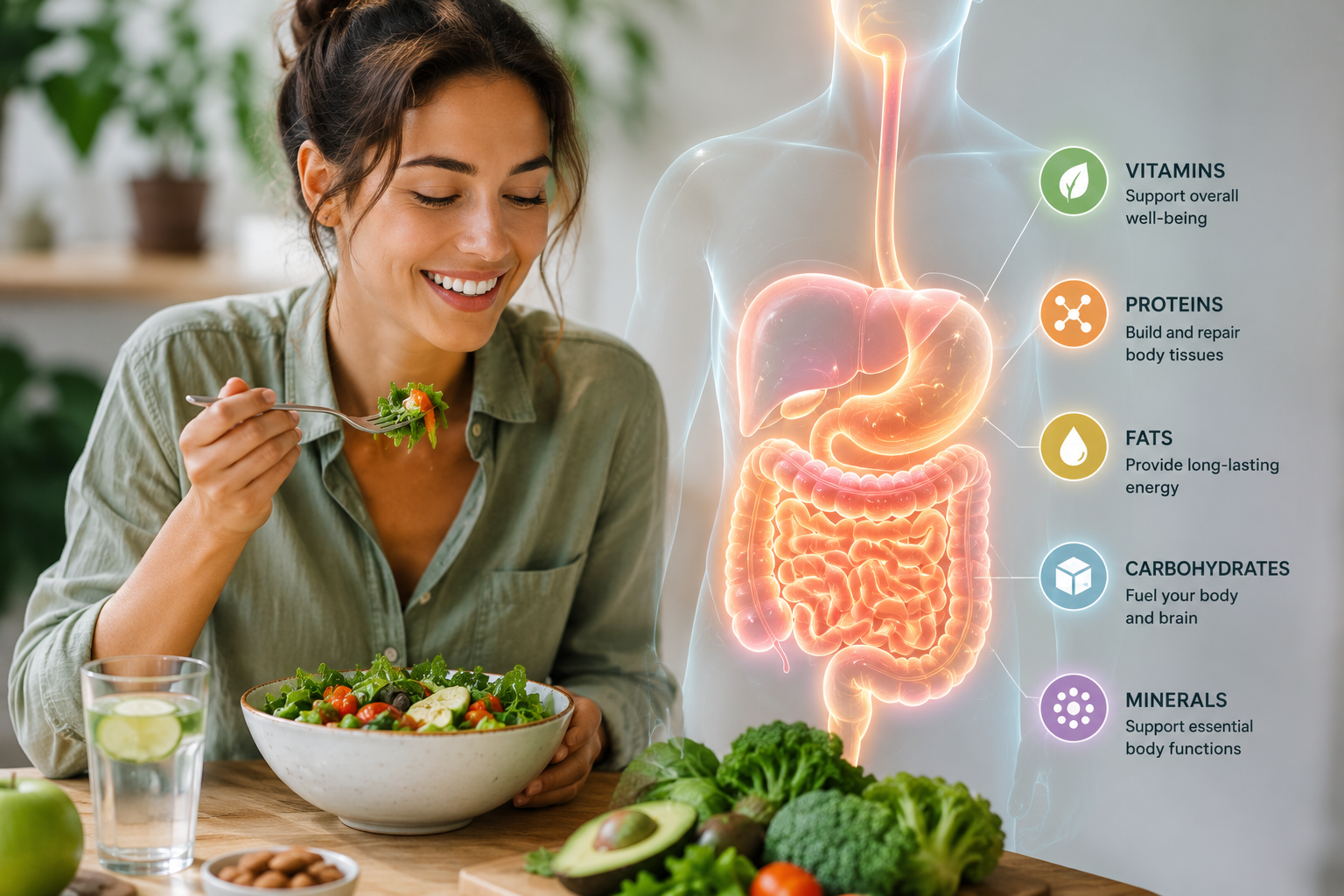
When you take a bite of food, digestion begins almost immediately. Saliva contains enzymes that start breaking down carbohydrates before food even reaches your stomach. From there, stomach acid and digestive enzymes continue breaking food into smaller components.
Proteins are broken into amino acids. Fats are broken into fatty acids. Carbohydrates are converted into simple sugars. Vitamins, minerals, and other beneficial compounds are released from food structures so they can be absorbed.
This process sounds straightforward, but it requires many different systems working together efficiently.
If food is not adequately broken down, some nutrients may pass through the digestive tract without being fully utilized. As we age, experience stress, eat highly processed foods, or deal with digestive challenges, this process can become less efficient.
That’s one reason why nutrient utilization has become an increasingly important topic in wellness discussions.
Nutrient absorption is only one part of the wellness equation. Many people are surprised to learn that even a healthy diet can leave nutritional gaps. If you’re curious about whether your body may be missing key minerals, read our article on 7 Signs Your Body May Be Lacking Trace Minerals.
Why Enzymes Matter
Enzymes are often described as the body’s biological catalysts. They help speed up countless reactions that occur every second.
Without enzymes, digestion would be far too slow to sustain life.
Different enzymes perform different tasks. Some help break down proteins. Others assist with fats or carbohydrates. Beyond digestion, enzymes are involved in many normal biological processes throughout the body.
Proteolytic enzymes, sometimes called protein-digesting enzymes, have attracted growing interest among researchers because of their broad roles within the body.
Ingredients such as protease, papain, bromelain, peptidase, nattokinase, and Seaprose S are examples of enzymes that have been studied for their unique biological activities.
Enzymes help break food into smaller components that the body can utilize. However, enzyme activity is only one piece of the puzzle. Minerals such as zinc and selenium also support countless enzyme-driven processes throughout the body.
These enzymes are naturally derived from sources such as plants, fermentation processes, and microorganisms, and they are increasingly being included in wellness routines focused on supporting overall health.
Did You Know?
Research suggests that digestive efficiency can naturally change with age, making nutrient utilization an increasingly important consideration as we get older.
Digestion Is Only One Piece of the Puzzle
Many people assume nutrient absorption begins and ends in the digestive tract.
In reality, digestion is only the first step.
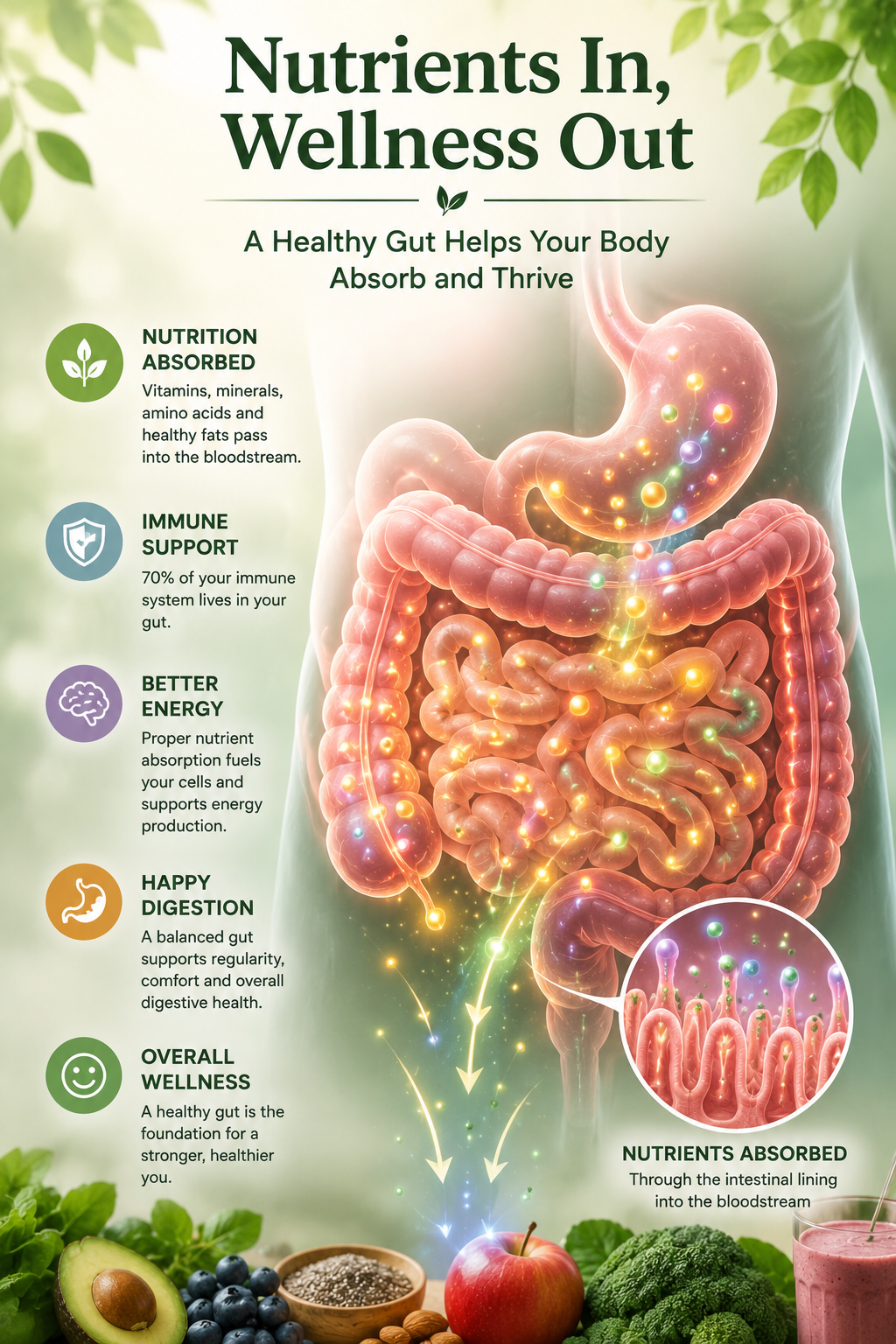
After nutrients are absorbed through the intestinal lining, they must be transported through the bloodstream, delivered to tissues, and ultimately utilized by cells.
Think of it like a supply chain.
Food is the raw material. Digestion is the processing plant. Absorption is the shipping department. Cellular utilization is the final destination.
If any link in the chain becomes less efficient, overall nutrient utilization may decline.
That’s why people can sometimes consume nutrient-rich diets yet still feel like they’re not operating at their best.
Factors such as stress, poor sleep, inactivity, aging, dehydration, and lifestyle habits can influence how efficiently the body handles nutrients.
The Connection Between Healthy Digestion and Overall Wellness
A healthy digestive system does far more than simply process meals.
Research continues to reveal connections between digestive health and overall wellness. The digestive tract plays a role in immune function, nutrient metabolism, hormone regulation, and communication between the gut and brain.
When digestion is functioning efficiently, the body is better positioned to access the nutrients needed for normal physiological processes.
This doesn’t mean every symptom is caused by digestion, nor does it mean digestive support products are intended to treat health conditions. Rather, it highlights how foundational digestion is to overall wellness.
Supporting healthy digestive processes may help create an environment where nutrients can be more effectively utilized.
Understanding Proteolytic Enzymes
Among the most interesting enzymes are proteolytic enzymes, which help break down proteins into smaller peptides and amino acids.
Protein is involved in nearly every structure and function in the body. Muscles, skin, connective tissues, hormones, enzymes, and immune components all rely on amino acids.
Protease is one of the primary enzymes involved in protein breakdown.
Papain, derived from papaya, has been used traditionally for centuries and is widely studied for its ability to assist protein digestion.
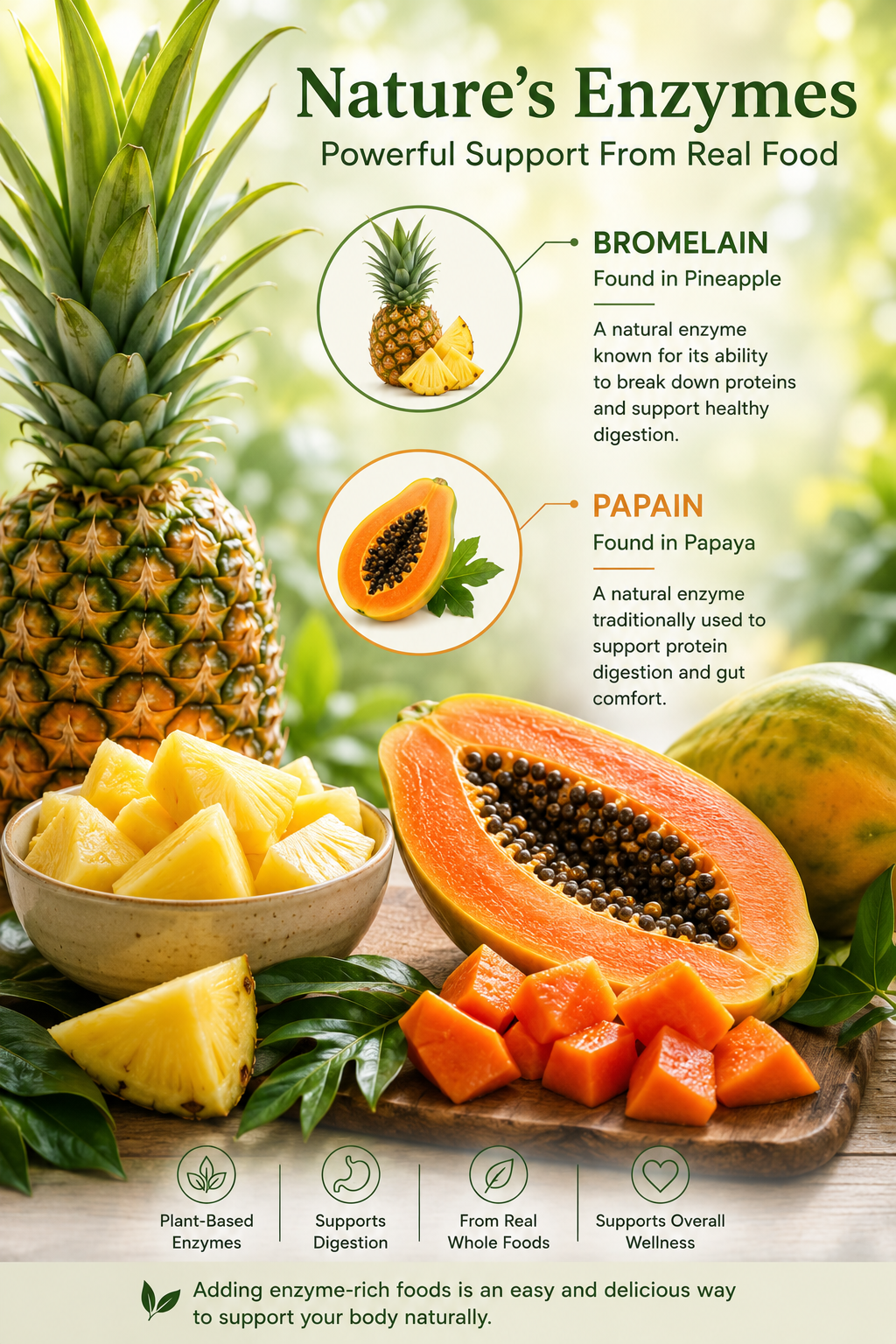
Bromelain, found in pineapple, has become one of the most researched plant enzymes and continues to attract scientific interest for its broad biological activity.
Peptidase enzymes further assist in breaking proteins into smaller components that can be utilized by the body.
Together, these enzymes contribute to the complex process of protein metabolism and nutrient utilization.
Enzymes Beyond Digestion
One of the reasons systemic enzymes have gained attention is that they may function differently depending on how they are used.
Digestive enzymes are typically taken with food to assist the digestive process.
Systemic enzymes, on the other hand, are often taken away from meals and are studied for their activities beyond food breakdown.
For example, nattokinase is an enzyme produced through the fermentation of soybeans and has been the subject of significant research interest.
Seaprose S is another enzyme that has been studied for its unique characteristics and stability.
Catalase is an antioxidant enzyme naturally present throughout the body. Its primary role involves helping the body manage normal oxidative processes.
These enzymes demonstrate how enzyme activity extends well beyond digestion alone.
This distinction is important because many people mistakenly assume all enzymes are digestive enzymes. In reality, enzymes participate in countless biological functions throughout the body.

Age and Nutrient Utilization
One reason nutrient utilization becomes a greater focus over time is that certain aspects of digestion naturally change with age.
Research suggests that stomach acid production may decline in some individuals as they get older. Changes in digestive efficiency can also occur due to lifestyle factors, medications, and overall health status.
This doesn’t mean nutrient deficiencies are inevitable. It simply highlights the importance of paying attention to the entire nutrient-utilization process rather than focusing exclusively on food intake.
Supporting healthy digestion, maintaining an active lifestyle, staying hydrated, and consuming nutrient-dense foods all contribute to healthy aging.
Support Your Wellness Journey
Enzymes play an important role in many natural processes throughout the body. If you’re interested in learning more about enzyme ingredients such as bromelain, papain, nattokinase, Seaprose S, protease, and catalase, explore ProOneZyme and discover how these enzymes fit into a wellness-focused lifestyle.
Lifestyle Factors That Influence Nutrient Absorption
Modern lifestyles can create challenges that previous generations may not have experienced.
Highly processed foods often contain fewer naturally occurring nutrients. Chronic stress may influence digestive function. Poor sleep can affect metabolic processes. Sedentary lifestyles may impact circulation and overall physiological efficiency.
Hydration is another commonly overlooked factor.
Water is involved in nearly every stage of digestion and nutrient transport. Even mild dehydration can affect normal physiological processes.
Regular physical activity also supports healthy circulation, which helps move nutrients throughout the body.
While no single habit guarantees perfect nutrient utilization, consistent healthy habits create an environment where the body can function more effectively.
Signs Your Body May Need More Nutritional Support
Many people assume that eating healthy automatically guarantees optimal nutrition.
However, nutrient needs vary from person to person. Activity level, age, stress, sleep quality, and overall lifestyle all influence how much support the body requires.
Feeling less energetic than expected, struggling with recovery after activity, experiencing digestive discomfort after meals, or simply wanting to optimize wellness are common reasons people begin paying closer attention to nutrient utilization.
The goal is not perfection.
The goal is helping your body get the most value from the foods you already eat.
Featured Enzyme Ingredients
Short educational summaries:
Bromelain
Naturally found in pineapple and studied for its proteolytic activity.
Papain
Derived from papaya and traditionally used to support protein breakdown.
Nattokinase
An enzyme produced through soybean fermentation.
Seaprose S
A specialized enzyme studied for its unique stability and activity profile.
Catalase
An antioxidant enzyme naturally present throughout the body.
Building a Strong Foundation for Better Nutrient Utilization
Improving nutrient utilization doesn’t require complicated protocols.
It begins with simple fundamentals.
Eat a variety of nutrient-dense foods. Include quality proteins, fruits, vegetables, healthy fats, and mineral-rich foods. Stay adequately hydrated throughout the day. Prioritize sleep. Manage stress. Stay physically active.
Supporting healthy digestion and normal enzyme activity may also play a role in helping your body make efficient use of the nutrients available to it.
Most importantly, focus on consistency rather than quick fixes.
Health is built through daily habits repeated over time.
Conclusion
When it comes to nutrition, what you eat certainly matters. But what your body can actually utilize matters too.
The journey from food to cellular nourishment involves digestion, absorption, transport, and countless enzyme-driven processes working together every day.
Ingredients such as protease, papain, bromelain, peptidase, nattokinase, Seaprose S, and catalase highlight the important role enzymes play throughout the body. While often associated with digestion, many enzymes are involved in broader biological processes that support overall wellness.
Rather than focusing solely on consuming more nutrients, consider whether you’re giving your body the support it needs to effectively utilize them.
Because better health isn’t just about what goes into your body—it’s also about what your body can do with it.
Along with healthy digestion and enzyme activity, minerals such as zinc, selenium, and potassium play important roles in supporting normal physiological processes. Learning how these nutrients work together can help you make more informed decisions about your wellness journey.
Explore ProOneZyme
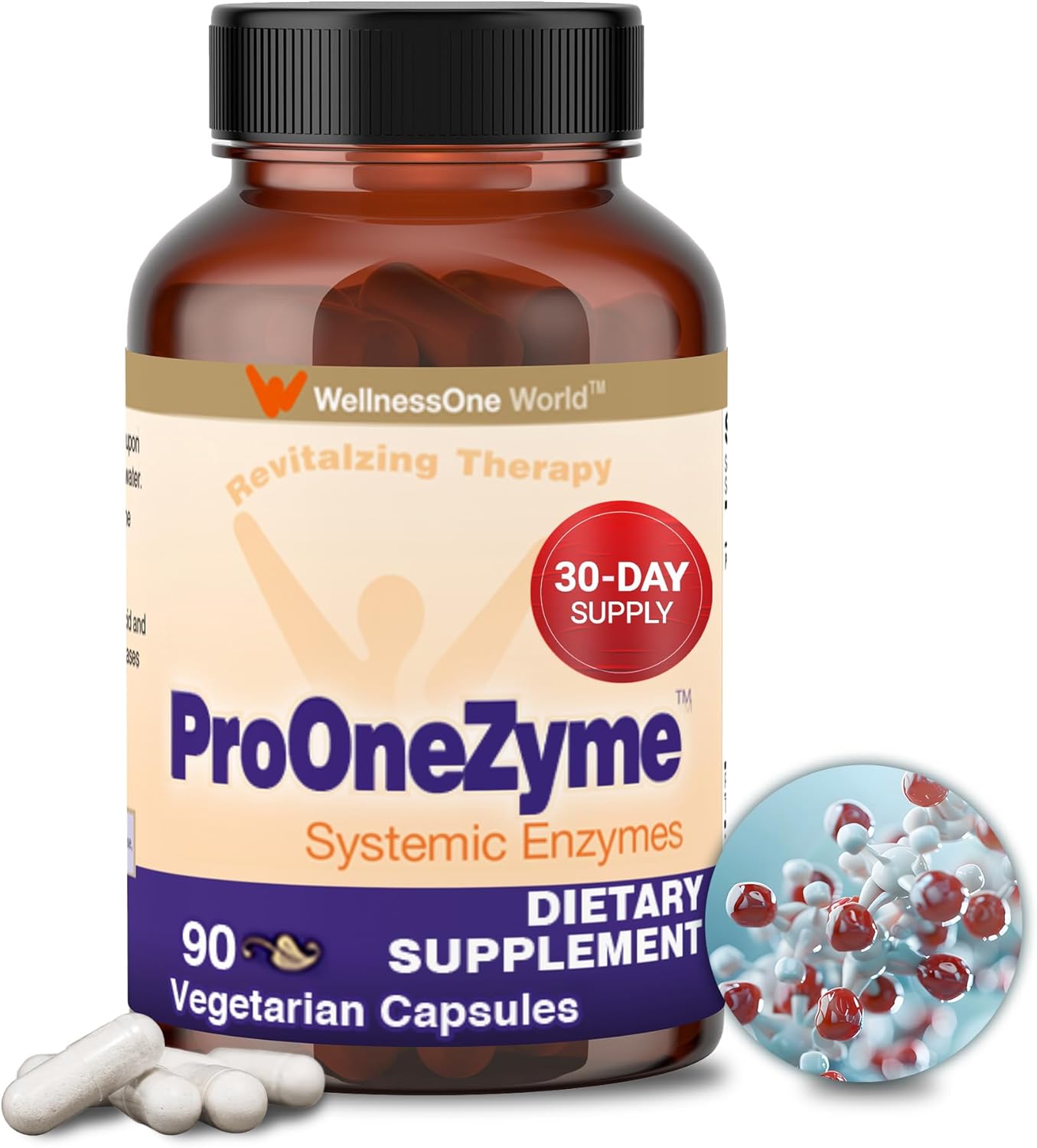
ProOneZyme is a broad-spectrum enzyme formula featuring proteolytic enzymes such as bromelain, papain, nattokinase, Seaprose S, protease, catalase, and more. Designed for wellness-minded individuals, it provides a convenient way to incorporate enzyme support into a daily routine.
Related Articles
Get Your FREE Copy of The Great Wellness Reset
Discover simple, science-informed strategies that support better energy, digestion, hydration, sleep, and overall wellness.
Enter your email below and we’ll send your free copy instantly.
References
National Institutes of Health Office of Dietary Supplements. Dietary Supplements and Health.
Matthews DM. Protein absorption and digestion. Journal of Clinical Pathology. 1974.
Whitcomb DC, Lowe ME. Human Pancreatic Digestive Enzymes. Digestive Diseases and Sciences. 2007.
Pali-Schöll I, Jensen-Jarolim E. The role of digestive enzymes in food processing and digestion. Nutrients. 2019.
Maurer HR. Bromelain: Biochemistry, Pharmacology and Medical Use. Cellular and Molecular Life Sciences. 2001.
Aruna K, et al. Bromelain: A review. Biotechnology Research International. 2011.
Stepek G, et al. Papain and other proteolytic enzymes. International Journal for Parasitology. 2004.
Sumi H, et al. A novel fibrinolytic enzyme (Nattokinase) in fermented soybean food. Experientia. 1987.
Murrant CL, et al. Enzymes and physiological function. Journal of Applied Physiology. 2010.
National Institute of Diabetes and Digestive and Kidney Diseases (NIDDK). Your Digestive System and How It Works.
Harvard T.H. Chan School of Public Health. The Nutrition Source: Digestion and Absorption.
National Institutes of Health. Gut Health and Digestive Function.
Interested in Learning More About Enzyme Support?
ProOneZyme contains a blend of enzymes including:
- Protease
- Bromelain
- Papain
- Nattokinase
- Seaprose S
- Catalase
- Peptidase
- Rutin
Learn how these ingredients may fit into your wellness routine.
0 Comments