How to Detox Your Body Naturally
Detoxing your body is one of the most talked-about ideas in health—but it’s also one of the most misunderstood. With so many products, cleanses, and quick-fix solutions being promoted, it’s easy to think detox is something you have to force or jumpstart. In reality, your body is already designed to detox itself every single day through powerful systems like your liver, kidneys, digestive tract, and even your skin.
The real question isn’t how to “start” detoxing—it’s how to support what your body is already doing.
In today’s world, where exposure to processed foods, environmental toxins, and chronic stress is higher than ever, your natural detox systems can become overwhelmed. That’s when you may start to feel sluggish, foggy, run down, or simply out of balance. The good news is that you don’t need extreme cleanses or complicated protocols to get back on track.
This article will walk you through science-backed, practical ways to support your body’s natural detoxification process—so you can restore balance, improve energy, and feel more like yourself again.
The idea of “detoxing your body” has become one of the most talked-about topics in health and wellness. You’ve likely seen juice cleanses, supplement protocols, or quick fixes promising to flush toxins out of your system in just a few days. But the truth is, your body already has a highly sophisticated detoxification system working for you every single day.
The real goal isn’t to force detoxification. It’s to support and optimize the systems your body already relies on—your liver, kidneys, digestive system, lymphatic system, and even your skin.
When you understand how detoxification actually works, you can make smarter choices that enhance your body’s natural ability to clear waste, maintain balance, and protect long-term health.
Understanding What “Detox” Really Means
Detoxification is not a trend—it’s a biological necessity. Every day, your body processes environmental toxins, metabolic waste, chemicals from food, and byproducts of normal cellular activity.
Your liver plays the central role, breaking down substances into forms that can be eliminated. The kidneys filter your blood, your digestive system removes waste, your lungs expel gases, and your skin releases compounds through sweat.
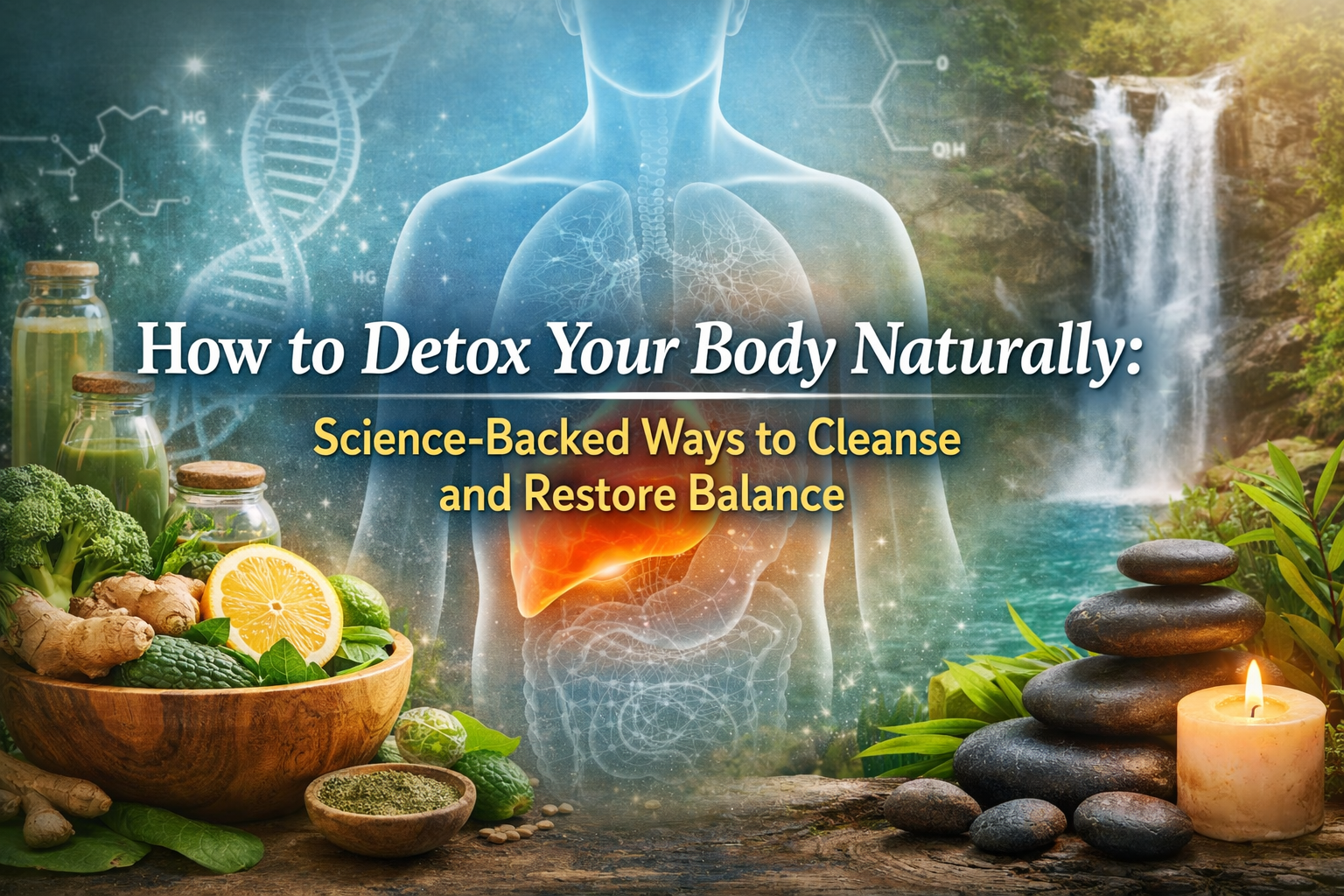
According to research in the Journal of Toxicology, detoxification occurs in two primary phases within the liver. Phase I involves the transformation of toxins into intermediate compounds, while Phase II converts those compounds into water-soluble substances that can be safely excreted. If either phase is impaired, toxins may accumulate or become more reactive before elimination.
This is why detox is not about pushing your body harder—it’s about supporting each phase so the process remains balanced and efficient.
Why Modern Life Increases the Need for Detox Support
While the body is designed to handle toxins, modern life has dramatically increased the load. Environmental pollutants, processed foods, heavy metals, chemical exposures, and even chronic stress can place a significant burden on detox systems.
Research published in Neurotoxicology highlights how exposure to certain environmental toxins can impact neurological health, particularly when detoxification pathways are overwhelmed or compromised.
At the same time, lifestyle factors like poor sleep, dehydration, and nutrient deficiencies can reduce your body’s ability to process and eliminate toxins effectively.
This is where intentional support becomes important.
Hydration: The Foundation of Detoxification
One of the simplest and most overlooked detox strategies is proper hydration.
Water is essential for kidney function and helps transport waste products out of the body. Without adequate hydration, toxins can become more concentrated, making it harder for the body to eliminate them efficiently.
The Prescribers’ Digital Reference emphasizes the importance of fluid balance in maintaining kidney health and proper elimination processes.
When you stay consistently hydrated, you support circulation, lymphatic flow, and cellular function—all critical components of detoxification.
Adding minerals to your water can further enhance hydration by supporting electrolyte balance, which helps your cells function more efficiently.
Supporting Liver Function Naturally
Your liver is the centerpiece of detoxification, and supporting it should be a primary focus.
Nutrients such as B vitamins, antioxidants, and amino acids are essential for liver detox pathways. These nutrients help facilitate both Phase I and Phase II detox processes, ensuring toxins are not only broken down but safely eliminated.
Research from the Journal of Biological Physics and Chemistry has explored how oxidative stress impacts cellular detox mechanisms. When oxidative stress is high, detox pathways can become less efficient, increasing the burden on the body.
This is why reducing oxidative stress through proper nutrition, sleep, and lifestyle choices is a key part of any detox strategy.
If you’re looking to better understand how your body processes and eliminates stress and toxins, you may find this helpful:
https://greatwellnessreset.com/how-phosphorus-supports-muscle-strength-movement-and-recovery/
While that article focuses on movement and energy, it also highlights how minerals support cellular processes that are deeply connected to detoxification.
The Role of Nutrition in Detox
Food is one of the most powerful tools you have to support detoxification.
Whole, nutrient-dense foods provide the vitamins, minerals, and phytonutrients your body needs to carry out detox processes effectively. Cruciferous vegetables like broccoli, cauliflower, and Brussels sprouts are particularly beneficial because they contain compounds that support liver detox enzymes.
Fiber is another critical component. It binds to toxins in the digestive tract and helps remove them from the body. Without enough fiber, toxins may be reabsorbed instead of eliminated.
The concept of reducing toxic load through diet is supported by research in Journal of Toxicology, which emphasizes the importance of limiting exposure while enhancing elimination pathways.
This means focusing on real foods and minimizing ultra-processed options that can add to the body’s burden.
If you’re exploring how food choices impact inflammation and overall health, this article provides deeper insight:
https://greatwellnessreset.com/the-anti-inflammatory-diet-how-food-choices-calm-inflammation-and-support-long-term-health/
Sweating and Physical Activity
Movement is another essential part of detoxification.
Exercise increases circulation, supports lymphatic flow, and promotes sweating—all of which help the body eliminate waste. Sweat contains trace amounts of toxins, including heavy metals, making it a valuable detox pathway.
Beyond physical elimination, exercise also improves metabolic efficiency and reduces inflammation, which can indirectly support detox processes.
Regular movement doesn’t have to be intense. Walking, stretching, and consistent activity throughout the day can significantly improve how your body processes and eliminates waste.
If you’ve been feeling physically tense or fatigued, this may resonate:
https://greatwellnessreset.com/nighttime-cramps-and-restlessness/
That article connects muscle tension, mineral balance, and nervous system stress—factors that also influence detoxification.
Sleep: The Overlooked Detox Powerhouse
Sleep is one of the most powerful yet underappreciated detox tools.
During sleep, your brain undergoes a process known as glymphatic clearance, where waste products are removed from the central nervous system. This process is critical for cognitive health and overall detoxification.
Studies referenced in Neurotoxicology suggest that disruptions in sleep can impair the brain’s ability to clear toxins, potentially contributing to long-term neurological issues.
Sleep also supports hormone regulation, immune function, and cellular repair—all of which are essential for effective detoxification.
If you’re struggling with sleep or feeling wired at night, this article dives deeper into the connection between stress, minerals, and rest:
https://greatwellnessreset.com/how-stress-feels-physical-the-mineral-connection-between-your-nervous-system-and-sleep/
Reducing Your Toxic Load
Detox is not just about elimination—it’s also about reducing what you’re exposed to.
This includes being mindful of household products, personal care items, food quality, and environmental exposures. Choosing cleaner products and minimizing unnecessary chemicals can significantly reduce the burden on your body.
Research in Electromedicine has explored how environmental factors, including electromagnetic exposure, may influence biological systems. While this area continues to be studied, it highlights the broader concept that modern environments can impact overall health in ways we’re still understanding.
Reducing your exposure where possible creates space for your body to function more efficiently.
The Role of Supplementation
While lifestyle and nutrition should always come first, certain supplements can support detox pathways.
Products like Systemic Enzymes like ProOneZyme from WellnessOne have been discussed in wellness communities as part of detox protocols, particularly for supporting immune and cellular health. While more research is needed to fully understand all mechanisms, supplementation can play a role when used thoughtfully and alongside foundational lifestyle practices.
The key is not to rely on supplements as a shortcut, but to use them as part of a comprehensive approach that includes hydration, nutrition, movement, and rest.
The Nervous System and Detox
One of the most overlooked aspects of detoxification is the role of the nervous system.
When your body is in a constant state of stress, it prioritizes survival over maintenance. This can slow digestion, impair liver function, and reduce the efficiency of detox pathways.
Chronic stress can also increase inflammation and oxidative stress, placing an additional burden on the body.
Supporting your nervous system through relaxation, breathing, and recovery is just as important as any physical detox strategy.
A Smarter Approach to Detox
The most effective detox strategy is not extreme—it’s consistent.
Instead of focusing on short-term cleanses, think about how your daily habits support your body’s natural processes.
When you hydrate properly, eat nutrient-dense foods, move regularly, sleep deeply, and reduce toxic exposure, you create an environment where your body can function the way it was designed to.
That’s real detox.
Final Thoughts
Your body is incredibly capable. Detoxification is not something you need to force—it’s something you need to support.
By understanding how detox works and making intentional lifestyle choices, you can help your body process and eliminate toxins more effectively, improve energy levels, and support long-term health.
There’s no quick fix, but there is a sustainable path.
And it starts with working with your body, not against it.
References
Journal of Biological Physics and Chemistry (Archived). Research on oxidative stress and cellular detoxification mechanisms.
Journal of Toxicology. Studies on liver detoxification phases and toxin metabolism.
Prescribers’ Digital Reference. Clinical insights on hydration, kidney function, and elimination pathways.
Neurotoxicology. Research on environmental toxins and neurological health.
Electromedicine (Archived). Explorations of environmental and electromagnetic influences on biological systems.