A Disease Many Thought Was Gone
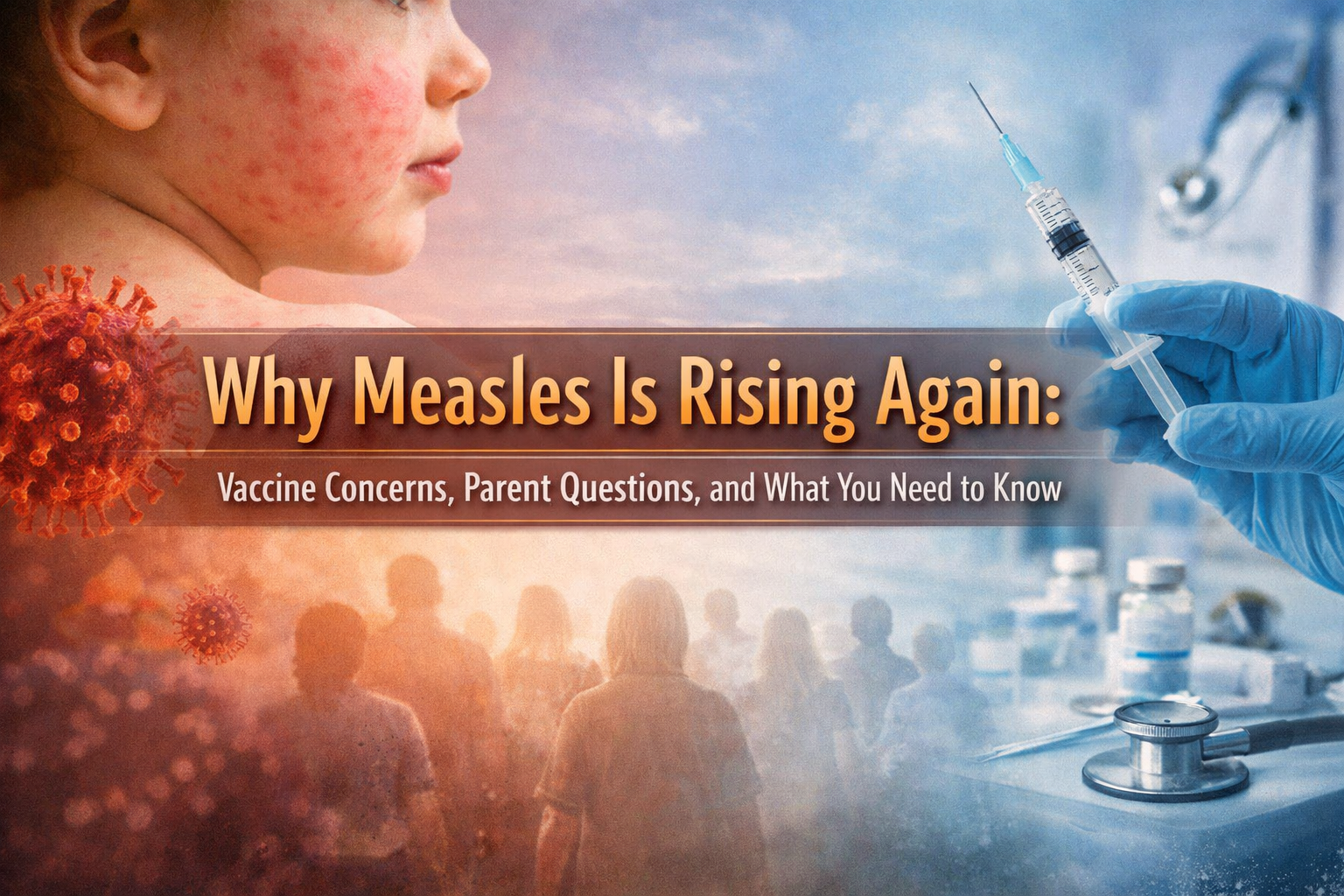
For years, measles felt like a disease of the past—something our grandparents worried about, not modern families. Yet in recent years, cases have quietly—and sometimes suddenly—returned in communities across the United States and other parts of the world. Headlines about outbreaks have become more common, and with them, a renewed and often heated conversation: why are some parents choosing not to vaccinate their children?
This isn’t a simple issue. It sits at the intersection of science, personal freedom, trust in institutions, and a parent’s deep instinct to protect their child. For some, vaccines represent one of the greatest public health achievements in history. For others, they raise concerns about safety, timing, and long-term effects.
In this article, we’re going to walk through the full picture in a balanced, conversational way. We’ll look at why measles is resurging, why some parents are pushing back on required immunizations, what actually happens in the body when a child receives a vaccine, what health experts say, and how parents can thoughtfully weigh their options.
The Return of Measles: What’s Really Happening?
Measles is not just a mild childhood illness. It is a highly contagious viral disease that spreads through the air and can linger in a room for hours after an infected person has left. According to the Centers for Disease Control and Prevention, measles can lead to complications such as pneumonia, brain inflammation, and in rare cases, death.
The reason measles was largely under control for decades comes down to widespread vaccination. When a high percentage of a population is immunized, it creates what’s known as herd immunity. This protects even those who cannot be vaccinated, such as infants or individuals with compromised immune systems.
But in recent years, vaccination rates in some communities have declined. Even small drops can weaken herd immunity, allowing outbreaks to occur. Health organizations like the World Health Organization have warned that vaccine hesitancy is now one of the top global health threats.
Why Some Parents Are Resisting Immunizations
To understand the current climate, it’s important to look beyond headlines and really listen to parents. Most are not making decisions lightly. Their concerns often come from a place of caution and care.
One major factor is trust. Some parents feel uncertain about pharmaceutical companies, government agencies, or shifting medical guidelines. When trust is low, even well-established recommendations can feel questionable.
Another concern revolves around safety. Despite extensive research showing that vaccines are generally safe and effective, some parents worry about potential side effects, long-term impacts, or the number of vaccines given early in life.
There’s also the issue of information overload. In today’s digital world, parents are exposed to a constant stream of conflicting messages. One article may strongly support vaccination, while another raises alarms. Without clear guidance, it can feel overwhelming.
Some parents also lean toward natural health approaches. They may prefer to support the immune system through nutrition, lifestyle, and environmental choices rather than medical interventions.
If you’ve been following other discussions on immune health, like our article on supporting your body’s defenses, you might find it helpful to visit which explains how the immune system develops and adapts over time.
What Happens in the Body When a Child Gets a Vaccine
Understanding how vaccines work can help remove some of the mystery.
A vaccine introduces a harmless piece of a virus or a weakened version of it into the body. This does not cause the disease itself, but it does trigger the immune system to respond. The body begins producing antibodies—proteins that recognize and fight the virus.
What’s important is that the immune system also creates memory cells. These cells “remember” the virus so that if the real infection ever occurs, the body can respond quickly and effectively.
This process is essentially a controlled training exercise for the immune system. Instead of learning during a full-blown illness, the body learns in a safer, more manageable way.
Some children may experience mild reactions like a sore arm, low-grade fever, or fatigue. These are typically signs that the immune system is responding, not that something is going wrong.
What Health Experts Say
Medical organizations overwhelmingly support routine childhood immunizations. The American Academy of Pediatrics recommends following the standard vaccination schedule, which is designed based on when children are most vulnerable to certain diseases.
Experts emphasize that vaccines undergo extensive testing before approval and continued monitoring afterward. Large-scale studies have repeatedly shown that serious adverse effects are rare.
Health professionals also point out that delaying vaccines can leave children unprotected during critical windows when their immune systems are still developing.
That said, many pediatricians today are recognizing the importance of open dialogue. Rather than dismissing concerns, they are encouraging conversations that allow parents to ask questions and feel confident in their decisions.
Should Children Follow the Recommended Schedule—or Wait?
This is one of the most common and important questions parents ask.
The recommended schedule is designed to protect children as early as possible. Infants and young children are more vulnerable to infections because their immune systems are still maturing. Vaccinating early helps close that gap.
Some parents consider spacing out vaccines or delaying them until a child is older. While this approach may feel more comfortable, it does come with trade-offs. Delaying vaccinations extends the period during which a child is unprotected against potentially serious illnesses.
There is no one-size-fits-all answer, but the key is understanding the risks and benefits on both sides.
A reasonable approach for many families is to have a detailed conversation with a trusted pediatrician, reviewing medical history, lifestyle factors, and any specific concerns. This allows for a plan that balances protection with parental comfort.
Common Questions Parents Ask
Parents often want to know if too many vaccines can overwhelm a child’s immune system. Research suggests that the immune system is capable of handling far more exposure than what vaccines present. Every day, children encounter countless microbes in their environment, and vaccines represent only a tiny fraction of that exposure.
Another question is whether natural infection is better for immunity. While it’s true that recovering from certain illnesses can provide strong immunity, it also comes with risks. Measles, for example, can suppress the immune system for months or even years after infection, increasing vulnerability to other diseases.
Parents also ask about ingredients in vaccines. Transparency around ingredients has improved over time, and healthcare providers can walk through exactly what is included and why.
Pros and Cons of Childhood Immunizations
When you step back and look at the full picture, vaccines offer significant benefits. They protect not only the individual child but also the broader community. They reduce the spread of disease, prevent complications, and have played a major role in increasing life expectancy.
On the other hand, concerns typically focus on side effects, the number of vaccines given, and philosophical beliefs about medical intervention.
The reality is that both perspectives come from a desire to protect children. The challenge is navigating these concerns with accurate information and thoughtful consideration.

Are There Natural Ways to Support Immunity?
Some parents explore natural methods to strengthen their child’s immune system, whether or not they choose to vaccinate.
Good nutrition is foundational. A diet rich in whole foods, vitamins, and minerals supports immune function. Adequate sleep, regular physical activity, and time outdoors also play important roles.
If you’re interested in deeper strategies for building resilience, you may want to explore how to detox your body naturally.
The article discusses ways to support the body’s natural defense systems.
However, it’s important to clarify that while these approaches support overall health, they do not provide the same targeted protection against specific diseases like measles. Vaccines are designed to create immunity to a particular pathogen, whereas lifestyle factors support general immune strength.
Finding a Balanced, Informed Approach
At the heart of this issue is a simple truth: parents want to do what’s best for their children.
For some families, that means following the recommended vaccination schedule without hesitation. For others, it means asking more questions, seeking second opinions, or adjusting timing.
What matters most is making decisions based on reliable information, not fear or pressure.
A thoughtful approach might include reviewing credible sources, discussing concerns with healthcare professionals, and considering both individual and community health impacts.
It can also be helpful to stay grounded in the bigger picture. Diseases like measles are not just theoretical—they are real, and outbreaks can have serious consequences. At the same time, parents deserve clear, respectful communication when making decisions about their children’s health.
Moving Forward with Clarity and Confidence
The rise in measles cases is a reminder that public health is a shared responsibility. It also highlights the importance of trust, education, and open dialogue.
Vaccines remain one of the most effective tools we have to prevent serious illness. At the same time, parents are right to ask questions and seek understanding.
There doesn’t have to be a divide between science and personal choice. With the right information and support, families can make decisions that align with both medical guidance and their own values.
If you’re navigating this decision, take your time, ask questions, and seek out balanced perspectives. The goal isn’t just to choose—it’s to choose with confidence, clarity, and care.
References
Centers for Disease Control and Prevention (CDC). Measles (Rubeola): Clinical Overview.
World Health Organization (WHO). Measles Fact Sheet.
American Academy of Pediatrics (AAP). Immunization Schedule and Vaccine Safety.
National Institutes of Health (NIH). Understanding the Immune System and Vaccination.
Institute of Medicine. Immunization Safety Review Reports.